Biggest heirloom tomato
- Fun facts /
- Tomato /
- Tomato varieties /
- Biggest heirloom tomato
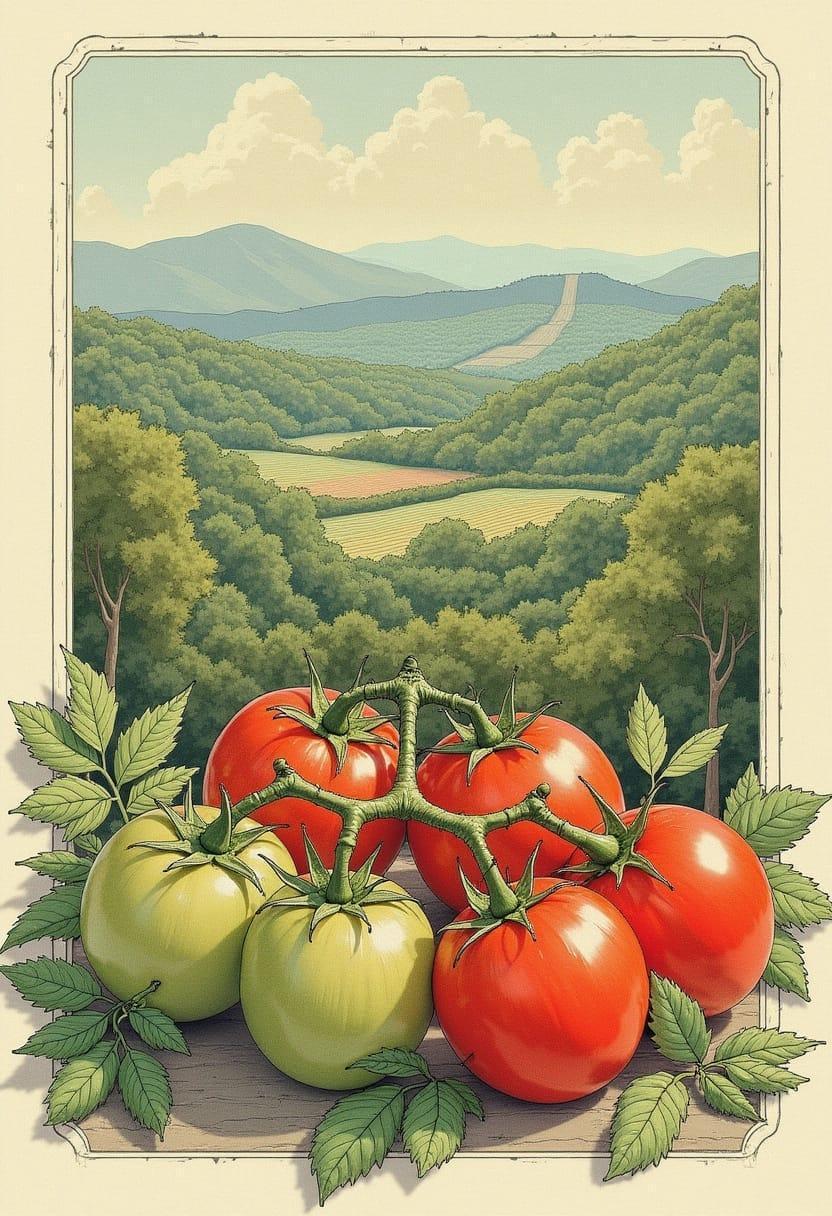
Heirloom tomatoes come in every size, but some grow shockingly big—over 3 pounds is not uncommon. Unlike store-bought tomatoes, heirlooms aren’t bred for size alone—they get big naturally, thanks to their open-pollinated seeds. The biggest heirloom tomato ever recorded weighed over 4 pounds and looked like a red pumpkin on steroids.

Some gardeners use old stockings to cradle their growing giants so they don’t break off the vine. The world of heirloom tomatoes is full of colorful names like “Mortgage Lifter” and “Brandywine.” “Mortgage Lifter” got its name from a man who paid off his house by selling the biggest heirloom tomato variety he grew.

The biggest heirloom tomato isn’t just big—it’s full of flavor, with a rich, sweet taste you rarely find in hybrids. Heirloom tomato seeds are often passed down for generations, which is how some of the largest varieties survived. In the tomato world, “beefsteak” often refers to size—and many heirloom types are true beefsteaks.

Tomatoes can actually get too big to slice cleanly—some heirlooms are better scooped like watermelon. The largest heirloom tomatoes grow best in full sun with consistent water and deep, rich soil. Tomato festivals often hold contests for the biggest heirloom tomato, and winners can gain local celebrity status.

One secret to growing giants? Prune the plant so it focuses its energy on fewer, bigger fruits. Some heirloom tomatoes are so big they have folds and ripples like a brain. Big tomatoes need strong cages or trellises—or you’ll find them slumped sadly in the dirt.

A single biggest heirloom tomato can feed a whole sandwich-hungry family. Tomato-growers often share tips in online forums, bragging about weight and girth like fishermen. Heirlooms grow slower than hybrids, but their size and flavor make them worth the wait.

Tomatoes are 95% water, so the biggest ones are basically juicy balloons with skin. People have been known to name their biggest heirloom tomato and treat it like a pet. Pollinators like bees are crucial—without them, that giant tomato won’t grow.

Some heirloom tomato skins are so thin, they split under their own weight. The color of a giant heirloom tomato can be deep red, pink, yellow, striped, even purple. When cooking, one huge tomato can replace several smaller ones—less chopping, more flavor.

Giant tomatoes aren’t just an American thing—farmers in Italy, Germany, and Japan all chase tomato records. Heirlooms aren’t GMO or lab-designed—they’re old-school, natural, and deliciously unpredictable. The biggest heirloom tomato is often oddly shaped, like nature’s abstract sculpture.

Tomato growers sometimes weigh their harvests daily, hoping for personal bests. There are rumors of 5-pound tomatoes, but without photos or scales, they remain garden legends. A healthy vine can grow one or two monster tomatoes, but rarely more—it’s all about quality, not quantity.

Some tomato growers use milk jugs or soda bottles to gently support heavy fruits. Big tomatoes need extra calcium to prevent blossom-end rot, a common heartbreak for gardeners. In hot climates, gardeners use shade cloth to keep their biggest heirloom tomato from sunburning.

Heirloom tomatoes don’t all grow the same every year—weather, soil, and luck all play a part. Some big tomatoes are almost all flesh, with barely any seeds—perfect for thick sauces. Big heirloom varieties can take 80 to 100 days from seed to harvest—patience is key.

Farmers markets sometimes sell slices of giant tomatoes if the full one is too much for a shopper. Heirloom tomatoes aren’t just big—they often have complex flavors like smoky, citrusy, or even wine-like notes. The tomato’s size often comes with weighty bragging rights in local gardening groups.

In competitions, tomatoes are judged not just by weight but also by shape, color, and uniqueness. Some growers refrigerate their prize tomatoes for short-term storage—but flavor is best at room temperature. Cutting into the biggest heirloom tomato is like opening a treasure—juicy, fragrant, and deeply red inside.

The biggest heirloom tomato varieties often trace back to the 1800s or even earlier. Tomato skins get tougher as they grow, which helps big ones avoid bursting—sometimes. You can grow giant heirloom tomatoes in pots, but they’ll need big containers and constant care.

Some heirloom growers keep detailed notebooks with weather patterns, watering habits, and tomato size. In the right conditions, a single heirloom tomato vine can produce fruit as big as a small melon. Squirrels and raccoons also love giant tomatoes—some growers resort to nets or fences to protect them.

If a tomato gets too big, its core may turn white and corky—still edible, but not as pretty. The biggest heirloom tomato ever recorded was grown in Oklahoma in the 1980s. Tomatoes are technically berries—and some of the biggest ones could pass for exotic fruit.

Heirloom tomato seeds from giant fruits can be saved and planted next season—continuing the legacy. Some heirloom tomato varieties, like “Big Zac,” were bred specifically for size contests. To weigh your tomato properly, use a kitchen scale—don’t guess based on how heavy it “feels.”

Some heirlooms look ugly on the outside but taste heavenly inside—don’t judge a tomato by its lumps. Gardeners often compare tomato growing to fishing or gambling—there’s always a little luck involved. Even if your tomato doesn’t break records, it might still be the star of your summer salad.

Many people grow heirloom tomatoes just for the fun of seeing what they get. The biggest heirloom tomato isn’t always about weight—it can also mean bold flavor and history. Growing a tomato the size of your head is a reminder that nature still knows how to surprise us.