Black krim tomato
- Fun facts /
- Tomato /
- Tomato varieties /
- Black krim tomato
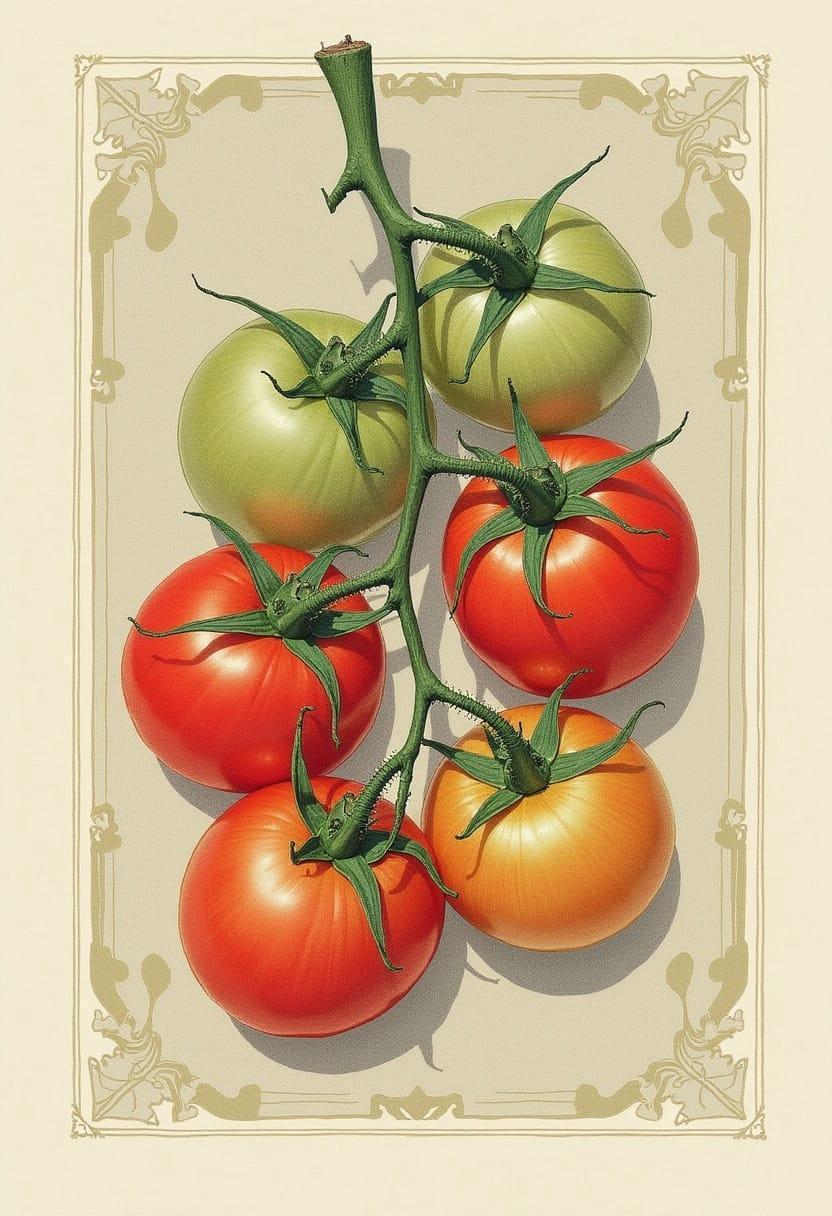
The Black Krim Tomato comes from the Crimean Peninsula in Ukraine, where warm days and cool nights give it its rich flavor. Its deep reddish-purple skin almost looks black, especially when fully ripe in the sun. Gardeners love it for its unique salty-sweet taste that’s way bolder than your average tomato.

People often describe the flavor as smoky, almost like a tomato that's already been grilled. It’s one of the first “black” tomatoes introduced to the U.S. seed market back in the 1990s. When sliced open, the Black Krim Tomato reveals a juicy, marbled interior with dark green shoulders.

This tomato thrives in full sun and appreciates warm soil—don’t rush it into the garden too early. It’s considered an heirloom, meaning the seeds have been passed down for generations without hybridization. Because of its juiciness, it’s a favorite for tomato sandwiches and fresh salads.

Black Krim Tomatoes are indeterminate, which means they keep producing fruit all season long. They tend to grow tall and often need sturdy cages or stakes to stay upright. This tomato can weigh anywhere from 8 to 16 ounces, sometimes even more with rich soil.

Many chefs like to use it in caprese salads, not just for taste, but for that dramatic dark-red color. It does especially well in containers if you give it a big pot and good drainage. The darker the skin, the more anthocyanins—those are natural antioxidants that are good for your health.

During dry spells, the Black Krim Tomato gets even more intense in flavor as it concentrates its sugars. It’s named after Crimea’s “Krim” spelling in local dialects—so you may also see it as “Black Crimea.” It ripens earlier than many other beefsteak types, often ready in about 70-75 days.

If you’re growing it in a cooler region, try giving it a south-facing spot for extra heat. It’s not just tasty—this tomato is a show-stopper in the garden with its moody, gothic looks. Some gardeners report it tastes best when harvested just before it’s fully soft.

Black Krim Tomatoes tend to crack more than others, especially after heavy rain. To avoid splitting, try watering consistently and mulching to even out moisture levels. Its flavor gets better the more sun it gets—this tomato loves to bask.

The plant was brought to the U.S. after the collapse of the Soviet Union, part of a wave of “new” old varieties. Unlike hybrids, you can save the seeds and replant them next year with the same tasty results. In taste tests, Black Krim often ranks among the top heirloom varieties for richness and depth.

Its deep color comes from both high lycopene and anthocyanin content—two potent antioxidants. Some tomato lovers say it’s like eating a tomato mixed with a hint of olive or sea salt. It’s a favorite of farmers’ markets because it stands out in any tomato display.

Black Krim Tomato is also highly photogenic—great for food bloggers and garden Instagram posts. It pairs wonderfully with mozzarella, basil, and a drizzle of olive oil. You’ll sometimes find people calling it “the red wine of tomatoes” because of its deep complexity.

The plant’s leaves are potato-like, which is common among heirloom beefsteaks. In hot climates, the tomato’s color can darken so much it almost looks black. It’s often one of the first tomatoes to sell out at heirloom plant sales.

Tomato collectors love growing it alongside other “black” varieties like Cherokee Purple or Paul Robeson. It’s a good conversation starter in community gardens—people always ask what it is. Because it’s open-pollinated, bees and wind can help cross it naturally with other tomatoes nearby.

When fully ripe, the Black Krim Tomato has a slight give when gently squeezed. Some gardeners pick them while slightly firm and let them finish ripening indoors to avoid splitting. It tends to have fewer seeds than other beefsteak types, which is great for making sauces.

It does especially well in raised beds where the soil warms up faster in spring. Some folks use it in gazpacho to give the soup an earthy, smoky edge. This tomato is part of the Solanaceae family—same as potatoes, eggplants, and peppers.

You can dry it in the sun to make deeply flavored dried tomatoes, perfect for winter snacks. When roasted, it becomes even sweeter and meatier—like a tomato with its own built-in seasoning. If you’re a beginner gardener, it’s forgiving but appreciates regular pruning for better airflow.

Many heirloom growers recommend planting basil and marigolds nearby to deter pests naturally. The fruits ripen unevenly sometimes, so check each one individually instead of relying on size alone. A single plant can produce over 20 fruits in a season with good care.

Black Krim Tomatoes are rich in vitamin C, potassium, and fiber. You’ll know it's ready when the skin turns deep burgundy and the shoulders go greenish-black. In blind taste tests, it often beats supermarket tomatoes by a mile in flavor.

If you like canning, it’s not the easiest variety, but it makes stunning salsa or chunky sauce. This tomato has even appeared in gardening documentaries as a symbol of heirloom resilience. It’s one of those tomatoes that actually tastes like something—not just water.

The Black Krim Tomato has earned a cult following among home gardeners and chefs alike. You might not find it at the grocery store, but it’s a gem at farmer’s markets or home gardens. Once you’ve tried it, many say there’s no going back to bland red store-bought tomatoes.