Black brandywine tomato
- Fun facts /
- Tomato /
- Tomato varieties /
- Black brandywine tomato
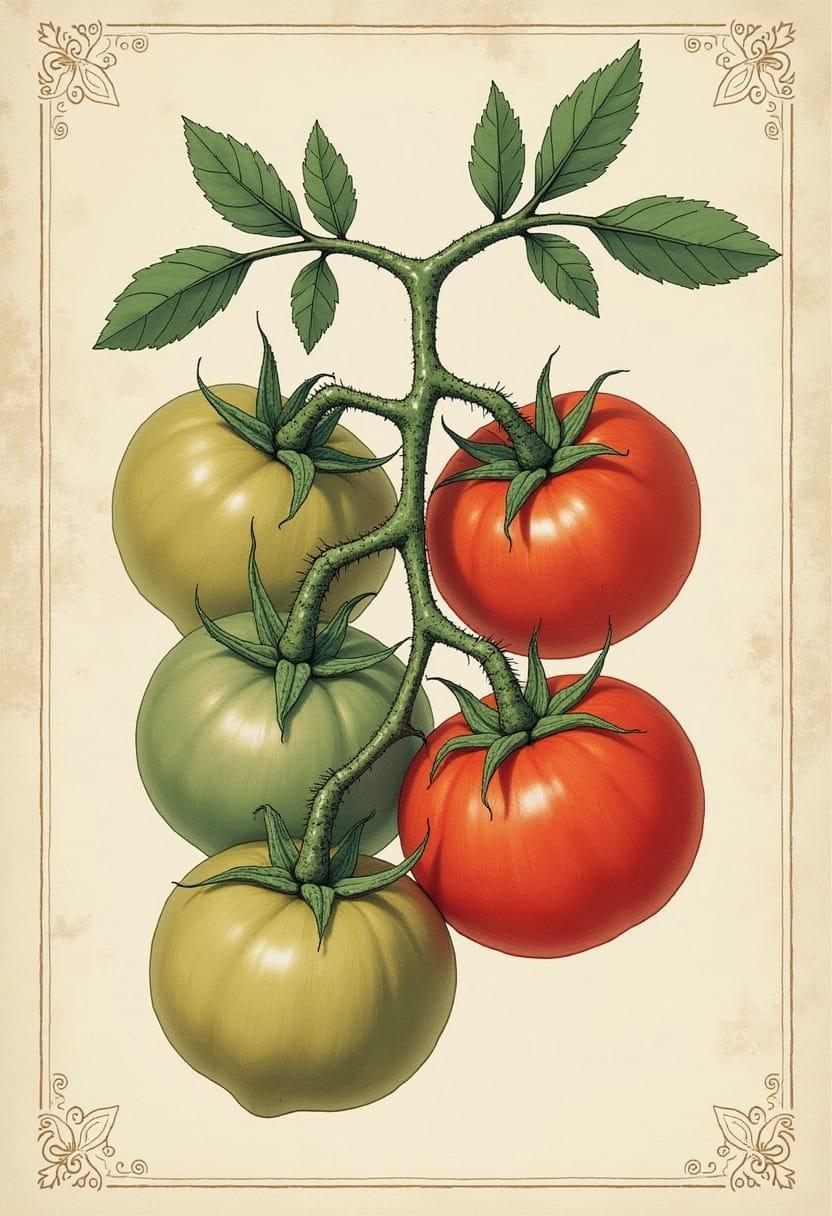
Black Brandywine tomatoes are known for their deep purple-black color and rich, smoky-sweet flavor. They’re an heirloom variety, which means they’ve been passed down through generations of gardeners. These tomatoes can grow surprisingly large—some weigh over a pound each!

Their color develops best in warm weather and full sun, but too much heat can slow them down. Unlike supermarket tomatoes, Black Brandywines are often a bit lumpy and wrinkled—but that’s part of their charm. Gardeners love them not just for taste, but because they make sandwiches unforgettable.

They were first documented in the late 1800s, making them one of America’s oldest heirloom tomatoes. Black Brandywine is actually a darker variation of the classic pink Brandywine, thanks to crossbreeding. Their vines are indeterminate, meaning they keep growing and producing until the frost hits.

These tomatoes take about 80–90 days from planting to picking, so they’re not for impatient growers. They’re a top pick for slicing onto burgers because they’re meaty with very few seeds. Every fruit looks a little different—some are round, others more ribbed and funky-looking.

The flavor is often described as “winey” or “earthy,” which sets them apart from red tomatoes. They’re not actually black—more like dark purple with green shoulders and pink flesh. Some chefs say their complex taste makes them ideal for tomato-based sauces or roasting.

Black Brandywine tomato plants need sturdy support because the fruits get heavy fast. They don’t ship well, so you’ll almost never find them in a grocery store—just farmers' markets. The leaves on Brandywine plants are potato-leaf shaped, which is rare among tomatoes.

People often confuse Black Krim and Black Brandywine, but their flavor and size are different. You get the best color and taste when the fruits are picked just as they soften slightly. In blind taste tests, they consistently outrank red tomatoes for depth of flavor.

Some believe the Black Brandywine tomato was developed in Ohio, but others trace it to Pennsylvania. Saving seeds from your best fruits can help your garden improve year after year. They grow best in well-drained soil rich in compost—Black Brandywines love nutrients.

Pollination can be tricky in hot weather, so some gardeners hand-shake the blossoms. They thrive in raised beds or large containers as long as there's room to climb. These tomatoes often crack if they get too much water all at once.

Their dark skin may protect them slightly from sunscald compared to lighter tomatoes. When roasted, they develop an almost balsamic sweetness that’s unforgettable. Many tomato festivals across the U.S. feature them in tasting contests.

Because of their size, one tomato slice can cover a whole sandwich. They’re great in caprese salad with fresh mozzarella and basil for a rich, rustic vibe. Their skins are thinner than modern hybrids, which means more flavor but shorter shelf life.

Seed catalogs often list them as “rare” or “specialty,” and they sell out fast. They’re a favorite among home canners, despite not being the traditional Roma shape. You can make a dark, luxurious tomato jam from Black Brandywine tomatoes.

They pair well with smoked meats and strong cheeses in savory dishes. Some gardeners report they taste even better when grown with a little stress—less water, more sun. They’re open-pollinated, so the seeds will grow true if you don’t cross with other varieties.

If you slice them horizontally, their interior often shows pink, green, and red marbling. They’re often used in artistic food photography because of their unique look. One plant can produce dozens of fruits over a season, especially if pruned well.

They don’t like cold nights—temperatures below 55°F can stunt their growth. Some gardeners nickname them “black velvet” tomatoes because of their smooth, dusky skin. In tomato-tasting competitions, Black Brandywine often wins “most flavorful.”

While not ideal for drying, they make a killer smoky salsa when fire-roasted. They're part of the broader “black tomato” category, which includes Cherokee Purple and Black Prince. Some growers believe the flavor peaks about 3 days after picking, not right off the vine.

They’ve inspired artists, poets, and chefs with their moody color and bold flavor. In garden tours, they’re a showstopper thanks to their size and color. Black Brandywine tomato seeds are often shared through seed exchanges and heirloom preservation groups.

You can grow them indoors under lights, but they do best in outdoor soil with real sun. Because of their slower growth, they’re often planted a week earlier than faster hybrids. They’re known to attract tomato hornworms, so keep an eye out.

Brandywines of all types are famously fussy, but worth every bit of the trouble. Their juice can be surprisingly dark—almost like tomato wine. If you want a tomato that tastes like summer in a bite, this is it.

Growing a Black Brandywine tomato is a commitment, but one that pays off in full-flavored dividends. Whether in salads, sauces, or sandwiches, their taste leaves a lasting impression. They’re the kind of tomato that turns casual gardeners into lifelong tomato fanatics.