Biggest tomato variety
- Fun facts /
- Tomato /
- Tomato varieties /
- Biggest tomato variety
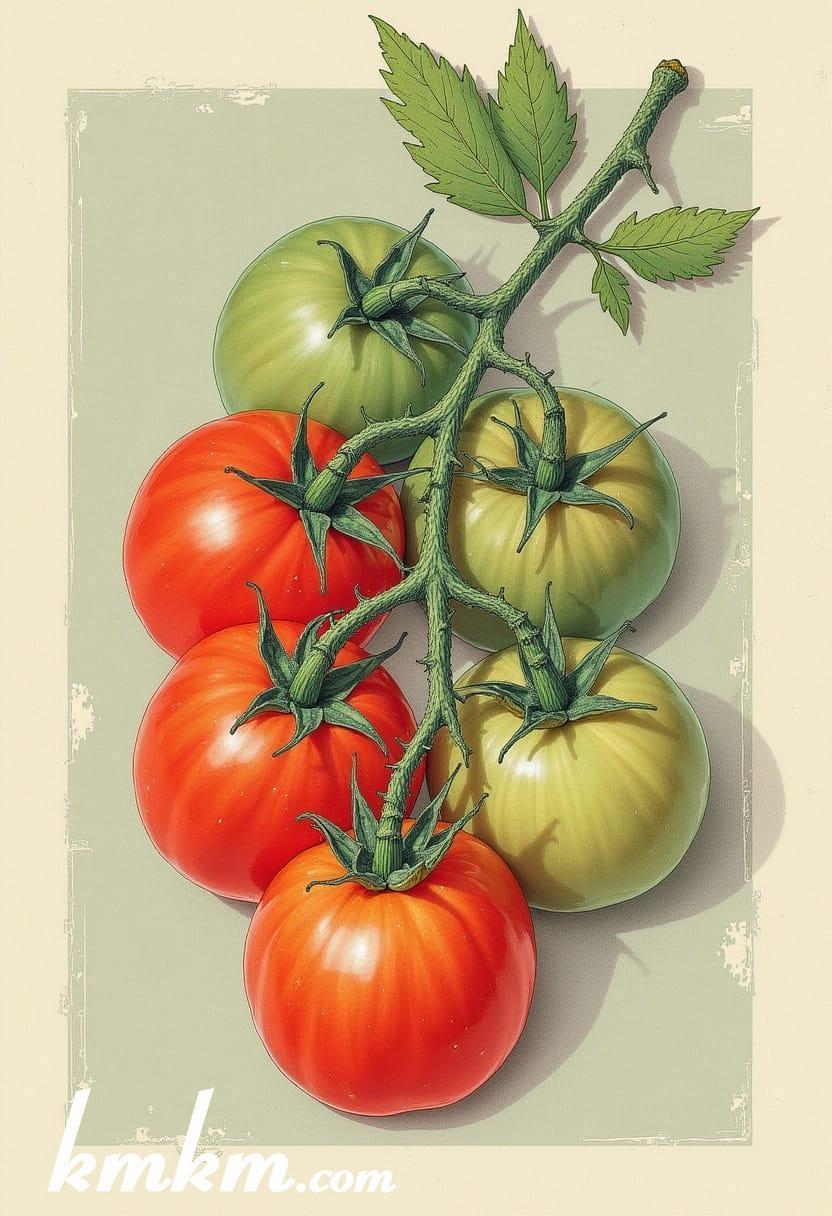
The heaviest tomato ever grown weighed a whopping 10 pounds 12 ounces and was grown by Dan Sutherland in Walla Walla, Washington. This tomato was a variety of the popular "Domingo," which is often used by growers going for world records. Some giant tomato growers use toothbrushes to gently pollinate the flowers by hand—yes, toothbrushes!

The Biggest Tomato Variety often requires reinforcement like slings or hammocks to support its massive fruits. Unlike cherry or Roma tomatoes, these giants can take up to 100 days to fully mature. Big tomatoes often grow best in 5-gallon buckets or larger, so their roots can stretch out comfortably.

To get one single huge tomato, growers usually pinch off all the other flowers on the vine. Tomato competitions are popular in state fairs, with entire events focused just on measuring the biggest slice. Some farmers talk to their tomatoes, believing it helps them grow larger and healthier—science is still out on that!

The soil for the Biggest Tomato Variety is often supercharged with compost, worm castings, and even seaweed. These tomatoes can sometimes crack due to rapid water intake, which splits the skin—think of it as tomato stretch marks. Some growers swear by playing classical music in the garden to “encourage” bigger growth.

The Domingo tomato is the reigning champ for producing the biggest fruits on record. One tomato plant from this variety can produce fruits bigger than a child’s head. Tomatoes love warm soil, so some growers use black plastic mulch to heat the ground early in the season.

A single slice of the Biggest Tomato Variety can be larger than a hamburger bun. In parts of the U.S., tomato-growing has become a fierce backyard sport with its own social media leagues. Tomatoes grown in greenhouses can be bigger due to more controlled conditions, like humidity and temperature.

Many giant tomato growers keep daily photo logs to track swelling progress. People have made tomato sandwiches using just one slice of these giants as the entire filling. Some fans freeze-dry their record-breaking tomatoes as keepsakes—or even bronze them.

Tomatoes are technically berries, and these big ones are the berry world’s sumo wrestlers. Too much nitrogen can lead to huge plants with lots of leaves but disappointingly small fruits. The Biggest Tomato Variety needs strategic pruning to funnel all the plant’s energy into just one or two fruits.

Some tomato plants can grow over 10 feet tall when supporting large fruit—basically a tomato tree. Pollinators like bees help, but some growers still hand-pollinate for precision control. Rain can cause “catfacing”—a condition that makes big tomatoes grow with deep folds and puckers.

Tomatoes get their red color from lycopene, and the bigger the tomato, the more of this antioxidant it can pack. Kids in some communities take part in “giant tomato clubs” for summer science projects. The skin of a big tomato is often thicker to help hold all that juicy goodness inside.

Big tomatoes are mostly water—about 95%—which makes them heavy but refreshing. Heirloom tomato seeds are often passed down like family heirlooms, especially for giant varieties. The first step in growing a huge tomato is picking the right seed, usually from a champion parent fruit.

A single tomato from the Biggest Tomato Variety can feed a family of four in one sitting. These tomatoes are often grown vertically with trellises, stakes, or even ladders. Tomatoes need calcium to prevent blossom end rot, a common issue in big, water-heavy fruits.

People have made tomato costumes inspired by these giant varieties for harvest festivals. Some big tomato growers enter seed-swapping clubs just to trade genetics with other enthusiasts. The biggest tomatoes often grow in areas with hot days and cool nights—perfect for steady growth.

In Japan, some gardeners treat tomatoes with fish emulsion tea to boost size. The Guinness World Record tomato took over 150 days to grow from seed to harvest. The deeper you plant a tomato seedling, the stronger its root system—key for growing the big ones.

Tomatoes are part of the nightshade family, which also includes potatoes, eggplants, and peppers. The inside of a giant tomato often looks like a labyrinth of juice and seed chambers. Tomatoes were once thought to be poisonous, but now they're the stars of garden bragging rights.

A tomato that weighs over 5 pounds is already in elite territory—it’s not something you’ll find in a store. To avoid sunscald, some growers make little umbrellas for their biggest tomatoes. Big tomatoes can be pink, red, or even orange depending on the variety and growing conditions.

The Biggest Tomato Variety can be tricky to slice—some chefs use bread knives to avoid crushing them. There are entire online forums where growers share daily updates on tomato girth measurements. Hydroponics isn’t ideal for the biggest tomatoes—they usually need real soil for that kind of growth.

Some growers wrap tomatoes in mesh to protect them from curious birds and squirrels. Too much rain during the growing season can water down the flavor of even the biggest tomatoes. The core of a giant tomato can be dense and meaty, perfect for sauces or roasting.

Some tomato skins have a shimmer to them when the fruit gets very large and ripe. The smell of a tomato vine is caused by compounds called “green leaf volatiles”—and big plants give off a lot. Old-time growers used to rub aspirin into the stem base, believing it helped stress resistance and fruit size.

A fully grown tomato from the Biggest Tomato Variety can take both hands to hold. Some people weigh their tomatoes with fishing scales to get an accurate read. There’s always a bit of suspense before the final weigh-in—will it beat the current champ or fall short?