Black heirloom tomatoes
- Fun facts /
- Tomato /
- Tomato varieties /
- Black heirloom tomatoes
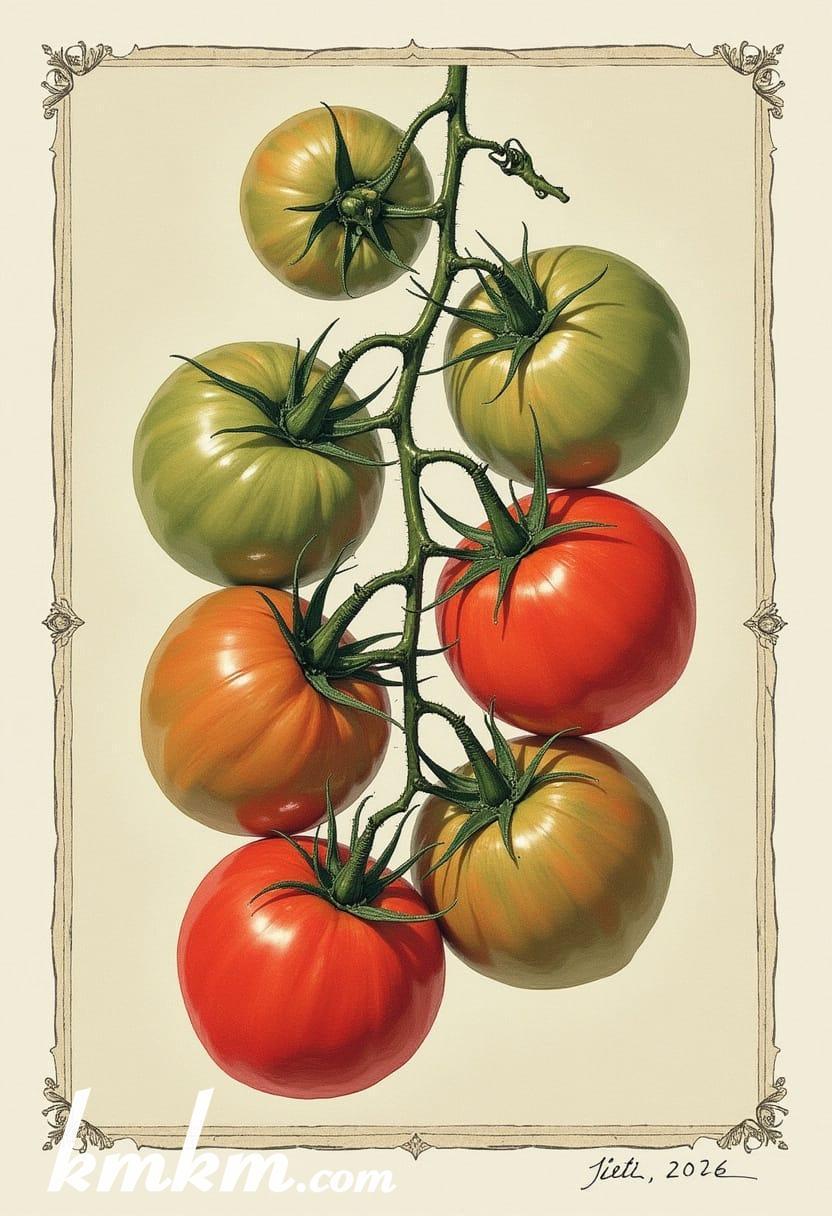
Some Black Heirloom Tomatoes actually turn a deep mahogany red instead of true black. They get their dark color from high levels of anthocyanins, the same antioxidants found in blueberries. In sunlight, their shoulders darken even more—almost like they’re wearing a hat made of ink.

These tomatoes aren’t just pretty—they’re packed with flavor, often described as smoky, sweet, and a little salty. The “Black Krim” is one of the most famous varieties and hails from the Crimean Peninsula. In blind taste tests, Black Heirloom Tomatoes often beat out red ones for richness and complexity.

Their seeds have been passed down through generations, often saved by families for over a hundred years. They were once considered too “ugly” for grocery stores because of their dark and uneven coloring. Now, that same unusual look is what makes them a farmer’s market favorite.

“Cherokee Purple” tomatoes, a close cousin of black varieties, have a history traced to the Cherokee people. Many black heirlooms were rediscovered in the 1990s by home gardeners and seed savers. The darker the tomato, the more antioxidants it tends to have—making them a superfood in disguise.

Some varieties, like “Paul Robeson,” are named after activists and artists to honor cultural history. Black Heirloom Tomatoes are more sensitive to temperature changes than standard red varieties. They’re considered “indeterminate,” which means they keep growing and producing all season long.

These tomatoes thrive in full sun but actually prefer cooler nights to maintain their signature color. You can grow them in large containers, but they’ll need strong support as they can get quite tall. Their taste is often described as “umami,” a rich and savory flavor that’s hard to pin down but unforgettable.

In Italy, chefs prize them for bruschetta and fresh sauces because they hold their shape well. Their flesh is dense and meaty, with fewer seeds than typical slicing tomatoes. Kids often call them “chocolate tomatoes” because of their brownish hue.

If you slice one open, you’ll notice a stunning marbling of green, red, and purple tones inside. They can take up to 85 days to ripen, making them a test of a gardener’s patience. Black Heirloom Tomatoes love organic soil and compost—they’re old-fashioned plants with old-fashioned tastes.

Some people believe their intense flavor pairs better with wine than most tomatoes. They don’t ship well due to their delicate skin, which is why you rarely see them in big supermarkets. In Japan, black tomato varieties are considered luxurious and often sold as gifts.

Bees love their flowers, which makes them great for pollinator-friendly gardens. When grown in cooler climates, the fruit tends to be darker but takes longer to mature. Their irregular shapes are completely normal—it’s nature’s way of being unique.

Farmers sometimes call them “ugly delicious” because they don’t look perfect but taste amazing. Unlike hybrids, Black Heirloom Tomatoes don’t have built-in disease resistance, so they need extra love. They can grow alongside basil and marigolds, which naturally keep pests away.

These tomatoes are great in caprese salad with a splash of balsamic—it brings out their earthy notes. When roasted, they become even sweeter and almost jam-like. Some food historians say tomatoes like these were first cultivated in South America, thousands of years ago.

If stored at room temperature, they’ll stay flavorful for several days after harvest. Chilling them in the fridge can make their texture mealy—better to eat them fresh. Many gardeners trade seeds of Black Heirloom Tomatoes at local swaps and seed exchanges.

They’re often used in gourmet restaurants for color contrast on a plate. Their skins are thinner than supermarket tomatoes, which is why they bruise easily. Home canners love them for salsa and sauce because of their low water content.

No two fruits look exactly alike—that’s part of their charm. Some people claim they taste like they already have salt on them. When overripe, they’re best for soups, sauces, or simply tossed with olive oil and herbs.

They grow especially well in raised beds with good drainage and lots of mulch. It’s common to prune the lower leaves to help airflow and prevent rot. If your tomato turns greenish-black, don’t worry—it’s probably just perfectly ripe.

Each plant can yield several pounds of tomatoes if grown under ideal conditions. They pair wonderfully with cheeses like mozzarella, feta, or goat cheese. Some growers enter them in contests for “best flavor” and often win.

They make stunning additions to tomato tarts, especially when mixed with yellow and red varieties. Black Heirloom Tomatoes often surprise people who’ve only eaten bland store-bought types. Their complex flavor means you can skip extra seasoning in many recipes.

People often dry them in the sun for a rich, smoky tomato chip. They can cross-pollinate with other tomato plants, so seed-saving requires some planning. Cooking shows frequently highlight them in summer recipe specials.

You might find them growing in your neighbor’s backyard rather than on store shelves. They’ve made a comeback thanks to foodies and gardeners wanting something real and flavorful. Every bite is like tasting a little bit of history—bold, juicy, and full of character.