Big pink tomato
- Fun facts /
- Tomato /
- Tomato varieties /
- Big pink tomato
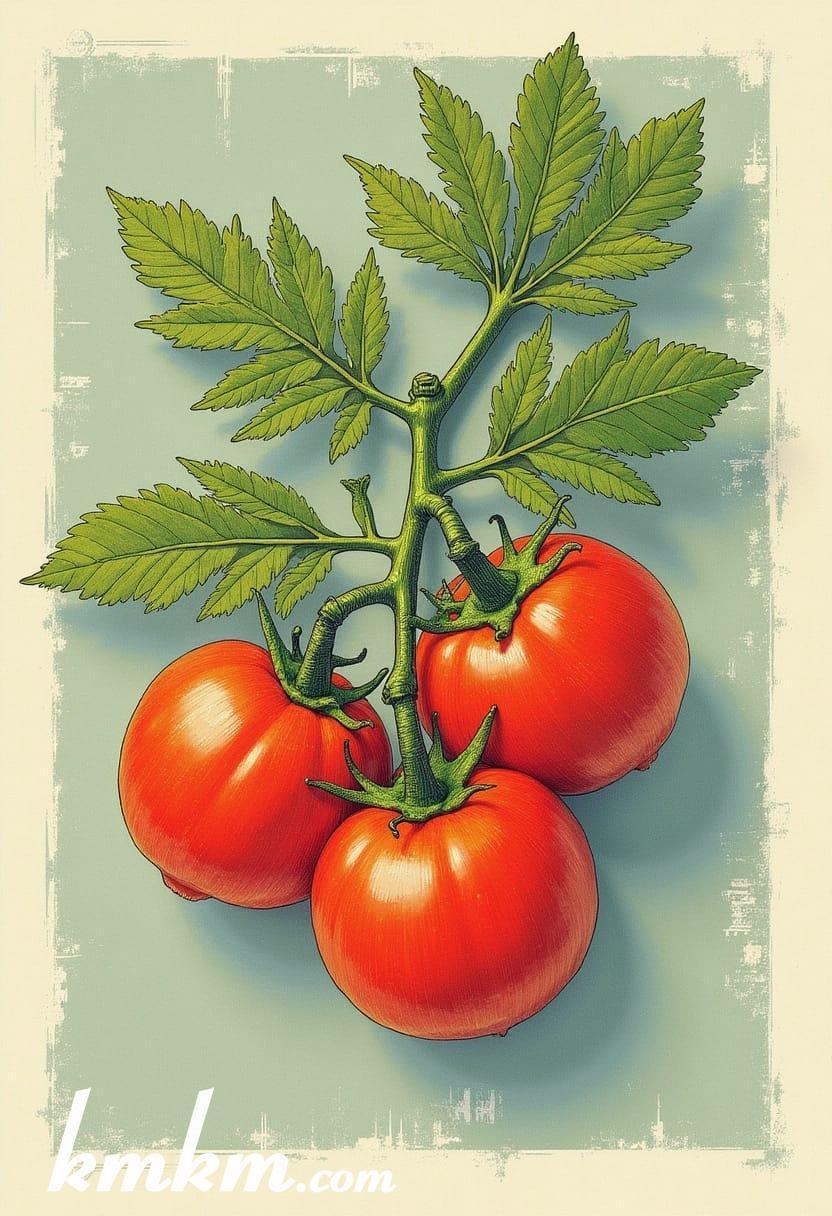
Big Pink Tomato is famous not just for its size, but also for its surprisingly sweet, almost melon-like flavor. These tomatoes can weigh over a pound each—so one slice might be all you need for a full sandwich. Unlike many red varieties, the Big Pink Tomato has a lower acidity level, making it easier on sensitive stomachs.

Some gardeners call it the “gentle giant” of the tomato world because it grows big without being aggressive or tricky to care for. It was originally bred for home gardens, not commercial farms—so flavor won over shelf life. You can spot it from a distance in the garden thanks to its light pink blush and slightly ribbed shape.

Its skin is thinner than most store-bought tomatoes, which means it bruises easily—but that also means it's bursting with juice. Big Pink Tomato plants can grow over six feet tall if you let them, and they need strong cages to stay upright. This tomato is an heirloom hybrid, combining old-school taste with modern resilience to disease.

When fully ripe, the fruit gives off a faint floral aroma—not strong like a rose, but just enough to catch your attention. Chefs love this variety for slicing into thick wedges for caprese salads or tomato tarts. It makes a gorgeous tomato sauce, though its pink hue turns a bit orange when cooked.

Bees and butterflies seem to visit Big Pink Tomato plants more often than others, drawn by the extra-large blossoms. The plant thrives best in warm climates but can still do well in cooler zones with enough sunlight. A single plant can produce over 20 hefty tomatoes in one growing season if well cared for.

The seeds inside are fewer than in smaller varieties, making it less seedy and more meaty. It was once a prizewinner at the Minnesota State Fair for “most photogenic tomato.” Some gardeners swear that playing classical music near the plant helps it grow faster—not proven, but charming.

In blind taste tests, Big Pink Tomato often beats supermarket types for flavor and texture. Its pastel color actually deepens in cooler nights—so late-season fruits tend to look more vibrant. Tomato lovers often describe its taste as "summer in a bite."

The Big Pink Tomato doesn’t travel well due to its softness—another reason you rarely see it in stores. It pairs beautifully with basil, mozzarella, and even peaches in unusual fruit-tomato salads. If you’ve ever had a tomato sandwich that made you smile, there’s a good chance it involved a pink variety like this.

Big Pink Tomato was once grown on the White House lawn as part of a presidential kitchen garden. It can be sliced thick without falling apart, making it ideal for burgers and grilled sandwiches. In Japan, some chefs use it in sushi rolls for color and sweetness.

It’s so juicy that biting into one feels almost like biting into a plum. The leaves of the plant have a faint lemony scent when crushed. A common tip for growing these: prune the lower leaves early to improve air flow and fruit size.

The plant gets top-heavy fast, so many growers use tomato ladders or triple cages. Big Pink Tomato was developed in part to resist blossom-end rot, a common tomato problem. It’s often used in food photography because of its appealing pink tone and plump curves.

Its seeds are popular among heirloom seed savers because the flavor stays consistent across generations. Pink tomatoes like this one have been traced back to South American wild types. Some growers use fish emulsion to enrich the soil, which enhances the sweetness.

One tomato can weigh more than a small pineapple. Gardeners often share these as gifts because they’re too big to use all at once. People who dislike raw tomatoes often change their minds after tasting this one.

Big Pink Tomato tastes best when harvested just before it softens—too late and it turns mushy. It’s a favorite at tomato festivals for seed-swapping and tasting competitions. Many fans say it reminds them of tomatoes their grandparents grew.

You can grow this tomato in large pots, but make sure to use a deep container and sturdy stakes. The tomato’s smooth texture and low seed count make it perfect for homemade ketchup. Birds sometimes peck at ripe fruits, mistaking them for berries.

Big Pink Tomato is often used in cold gazpacho soups where color and flavor both stand out. Its color can vary slightly from light pink to salmon depending on soil conditions. Some growers add crushed eggshells to the soil to boost calcium and avoid splitting.

This tomato grows slower than small cherry types, but it’s worth the wait. Big Pink Tomato is part of a growing trend toward “ugly but tasty” produce. If you grow it near marigolds, you might reduce pests naturally.

You’ll often find its seedlings sold at farmer’s markets in spring. It’s not genetically modified; its traits come from careful crossbreeding. To get the most out of each plant, pick the fruits early in the morning.

It has fewer skin allergens than some red varieties, which is helpful for sensitive eaters. One slice of Big Pink Tomato can cover an entire piece of toast. If you freeze it, the color fades, but the flavor holds up for stews and sauces.

Gardeners sometimes name their biggest tomatoes—yes, like pets. This tomato brings people together at community gardens and backyard barbecues. Growing your own Big Pink Tomato is a small act of edible joy.