Best indeterminate tomatoes
- Fun facts /
- Tomato /
- Tomato varieties /
- Best indeterminate tomatoes

Indeterminate tomatoes keep growing and producing fruit all season long until frost hits. They can grow quite tall, sometimes over 6 feet, so staking or caging is a must. These tomatoes usually have a longer harvest window compared to determinate types.

Best indeterminate tomatoes are prized for their continuous yield and often richer flavor. They are perfect if you love fresh tomatoes all summer and into fall. Popular varieties include Brandywine, Cherokee Purple, and Green Zebra.

Indeterminate tomatoes grow on vines that keep producing side shoots called suckers. Pruning these suckers can help focus the plant’s energy on bigger fruit. However, some gardeners prefer to let the plants grow wild for maximum yield.

These tomatoes typically have larger fruits, which makes them great for slicing. Because they keep growing, you’ll want to provide sturdy support early on. Tomato cages, stakes, or trellises all work well depending on your garden space.

Best indeterminate tomatoes often have more complex flavors than store-bought varieties. Many heirloom types fall into this category, prized by chefs and gardeners alike. Their taste can range from sweet and fruity to tangy and rich.

Since these plants grow tall, spacing is key—give each one about 18-24 inches. Crowding can reduce airflow, which increases disease risk. Good air circulation helps prevent fungal problems like blight.

Indeterminate tomatoes usually need more nutrients because they keep growing. Regular feeding with tomato fertilizer or compost helps keep fruit production steady. Consistent watering is also crucial to avoid cracking or blossom end rot.

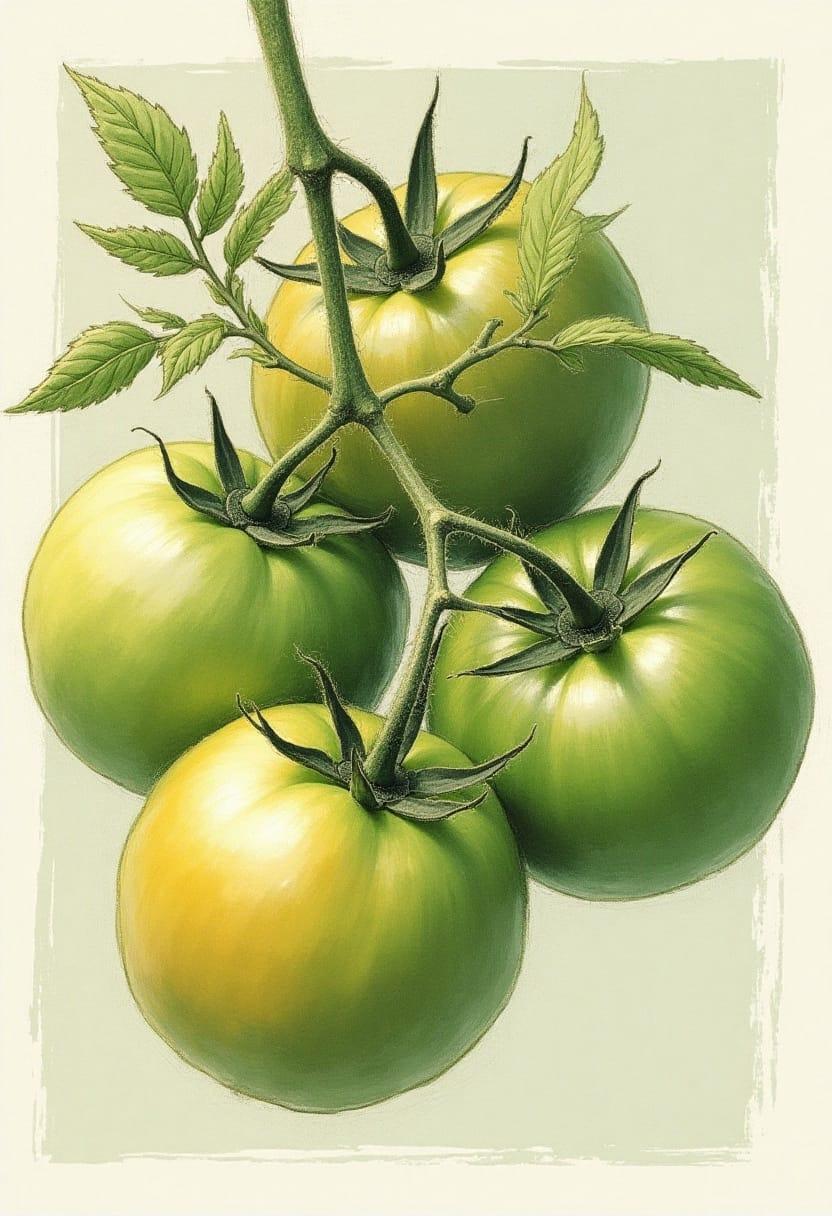
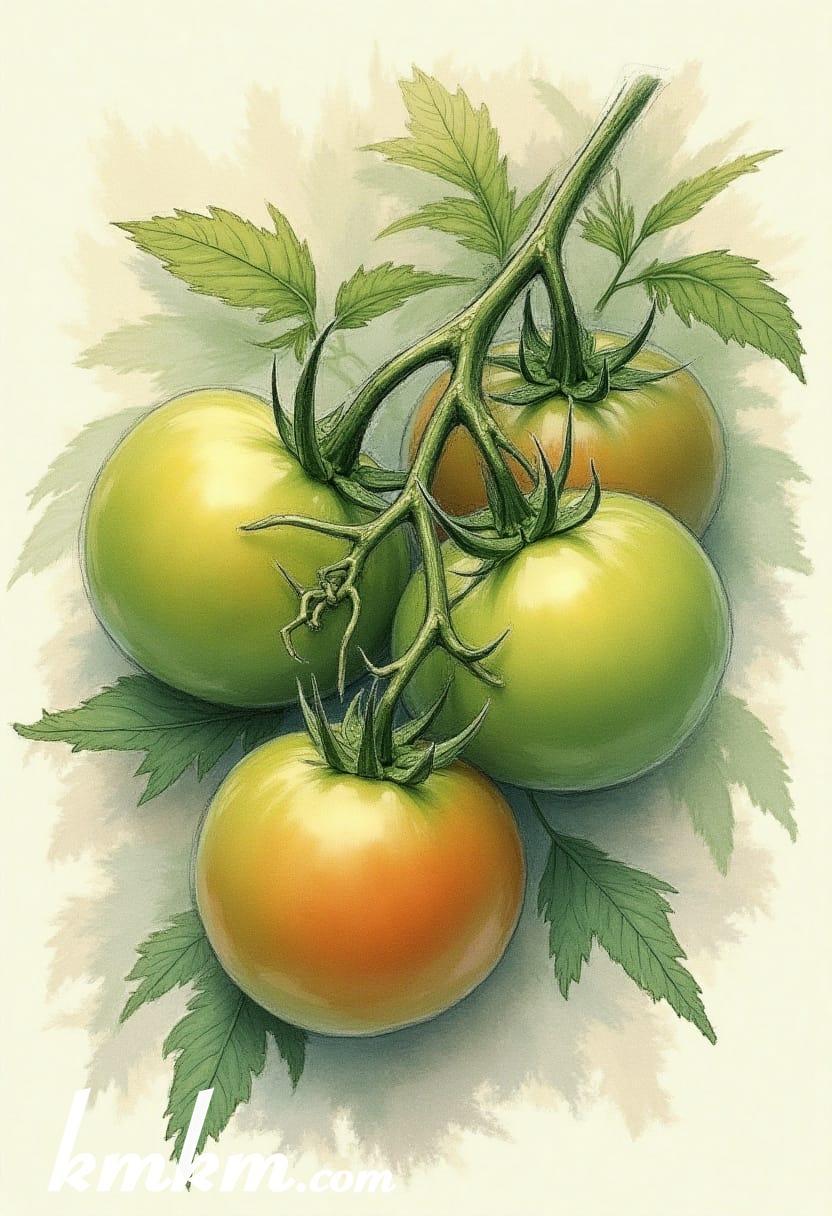
The best indeterminate tomatoes often produce fruit in clusters along the vine. This means lots of tomatoes ready to pick every week or two. You can enjoy fresh salads, sauces, and snacks straight from the garden.

Indeterminate types are great for gardeners who want a long-lasting tomato supply. You don’t get one big harvest; instead, you get a steady stream of tomatoes. This suits fresh eating, canning, or freezing over several months.
These tomatoes typically need about 70 to 85 days from transplant to first harvest. Because they produce continuously, you can prune them back to encourage new growth. Pruning also helps manage plant size and light exposure.

Best indeterminate tomatoes usually have thinner skins compared to hybrids. This makes them juicier and more flavorful but a bit more delicate to handle. They are fantastic for fresh eating and quick cooking.

Many indeterminate tomatoes develop vibrant colors and unique shapes. From deep purples to bright yellows, these varieties add beauty to your garden. They’re a favorite for gardeners who enjoy diversity and novelty.
Because they grow so tall, these tomatoes sometimes need double staking or cages. Heavy fruits can weigh down the vines and cause breakage without support. Using soft ties helps avoid damaging the stems.

Best indeterminate tomatoes are often used in farmers markets and home gardens. Their extended harvest means more fresh produce for local sales and kitchens. They also attract pollinators, which is great for overall garden health.

Some gardeners train their indeterminate tomatoes to grow vertically on trellises. This saves space and makes harvesting easier. It also keeps fruits cleaner by lifting them off the ground.

Indeterminate tomatoes need more water during flowering and fruit set stages. Uneven watering can cause fruit cracking or blossom end rot. Mulching helps keep soil moisture steady and reduces weeds.

Many heirloom indeterminate tomatoes are disease susceptible, so crop rotation helps. Avoid planting tomatoes in the same spot year after year to reduce soil pathogens. Companion planting with basil or marigolds may help deter pests.

Best indeterminate tomatoes often produce larger fruit clusters than determinate types. This means more tomatoes per harvest but also requires more care and support. Regular harvest encourages the plant to produce even more fruit.

If you want fresh tomatoes late in the season, indeterminate varieties are your go-to. They keep producing fruit until frost or cold weather ends the growing season. Covering plants on chilly nights can extend harvest by a week or two.

Growing the best indeterminate tomatoes means patience and attention all season. You get a long-lasting bounty of flavorful, fresh tomatoes for cooking or eating raw. This makes them a top choice for serious tomato lovers and home cooks alike.