Amish paste tomato seed
- Fun facts /
- Tomato /
- Tomato varieties /
- Amish paste tomato seed

The Amish Paste Tomato Seed traces its roots back to the 1800s and was passed down through Amish families in Wisconsin. These tomatoes are shaped like teardrops and are bigger than most paste tomatoes, sometimes weighing over 8 ounces. Despite being known for paste, they’re juicy enough to slice into salads when fresh tomatoes are in short supply.

You can recognize an Amish Paste Tomato Seed sprout by its tall, lean stem and sturdy little leaves. Tomato lovers swear by the rich, slightly sweet flavor that holds up beautifully in sauces. It takes about 80 to 85 days from planting to harvest, so patience pays off with this heirloom gem.

Unlike many hybrids, Amish Paste tomatoes don’t all ripen at once, giving you a longer picking season. They’re indeterminate, meaning the vines keep growing and producing until the frost says stop. Give them some strong support—a tall cage or trellis will do—because the plants can get over 6 feet tall.

These tomatoes have fewer seeds and thicker flesh, making them kitchen stars for canning and pasta sauce. Amish farmers originally grew them for community feasts and big-batch cooking. They're also great for drying—just slice and stick them in a dehydrator or oven on low heat.

Amish Paste Tomato Seed plants love sunshine and need about 6 to 8 hours of direct light daily. They don't like soggy feet, so well-drained soil is a must to avoid root rot. Mix in some compost when planting, and your tomatoes will thank you with a bigger yield.

Pollinators love Amish Paste flowers—bees especially help improve fruit set. Blossom-end rot is a common problem but usually means your soil needs more calcium. Water at the base of the plant to avoid leaf diseases like blight and mildew.

You can start Amish Paste Tomato Seed indoors about 6 to 8 weeks before your last frost date. A heating mat helps germination, which usually takes 7 to 10 days. Once they’ve got a couple of true leaves, move them into larger pots to keep them thriving.

These tomatoes don’t like crowding—space them about 24 to 36 inches apart. Rotate where you plant each year to prevent soil-borne diseases from building up. Pinch off the suckers (those little shoots between the stem and branches) to keep the plant focused.

Their skins are tender, so they’re best picked with care to avoid bruising. If you harvest a little early, let them ripen on the counter, not the fridge. Refrigeration can make the texture mealy and dull the flavor.

Amish Paste tomatoes freeze well—just wash, core, and toss them whole into the freezer. They're perfect for winter stews, soups, and sauces with just a quick thaw and simmer. Even frozen, the flavor beats anything in a can from the store.

Growing from Amish Paste Tomato Seed means you're preserving a bit of agricultural history. These seeds are open-pollinated, so you can save them year after year. Just pick your best fruits, scoop out the seeds, dry them, and store in a cool, dry place.

These tomatoes play nicely with basil, peppers, onions, and other garden companions. Marigolds planted nearby can help keep pests away naturally. Watch for hornworms—they blend in like little green ninjas and love tomato leaves.

One plant can yield up to 20 pounds of fruit if it’s happy and healthy. Mulching helps keep the soil moist and the roots cool on hot summer days. You can grow them in large containers, but make sure there's enough depth for strong roots.

If the weather is too hot, flowers might drop before setting fruit—shade cloth can help. A weekly feeding with a balanced fertilizer keeps them producing strong. Too much nitrogen, though, and you’ll get big plants with little fruit.

These tomatoes have a longer shelf life than most fresh heirlooms. In taste tests, they beat many commercial varieties for flavor and texture. Their aroma when sliced is fresh, sweet, and almost floral.

Adding crushed eggshells to the soil can help prevent calcium deficiency. A few fans say Amish Paste Tomato Seed is the “gateway” tomato for home canners. In a blind test, chefs often choose them over Roma tomatoes for sauce.

Some gardeners even grow them in greenhouses or indoors under grow lights. Companion planting with garlic or chives may deter aphids. They’re not resistant to all tomato diseases, but crop rotation helps.
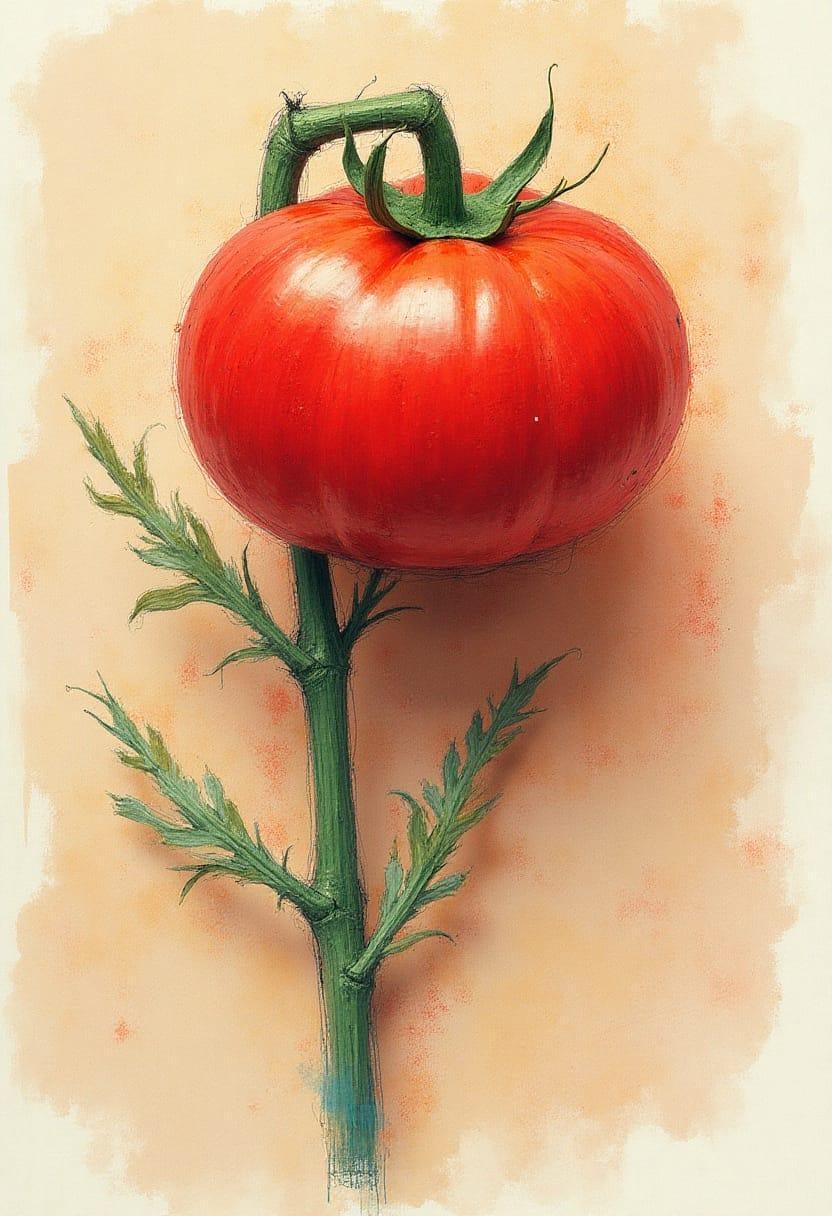
Folks love sharing extra seedlings at local swaps or farmers’ markets. They’ve appeared in heirloom seed catalogs for decades as a top pick. The tomato's flesh holds its shape, making it great for stuffed tomato recipes.

Many Amish Paste Tomato Seed gardeners say the flavor improves with slightly stressed plants. If you prune the leaves too aggressively, you might sunburn the fruit. Letting a few tomatoes stay on the vine longer can boost sweetness.
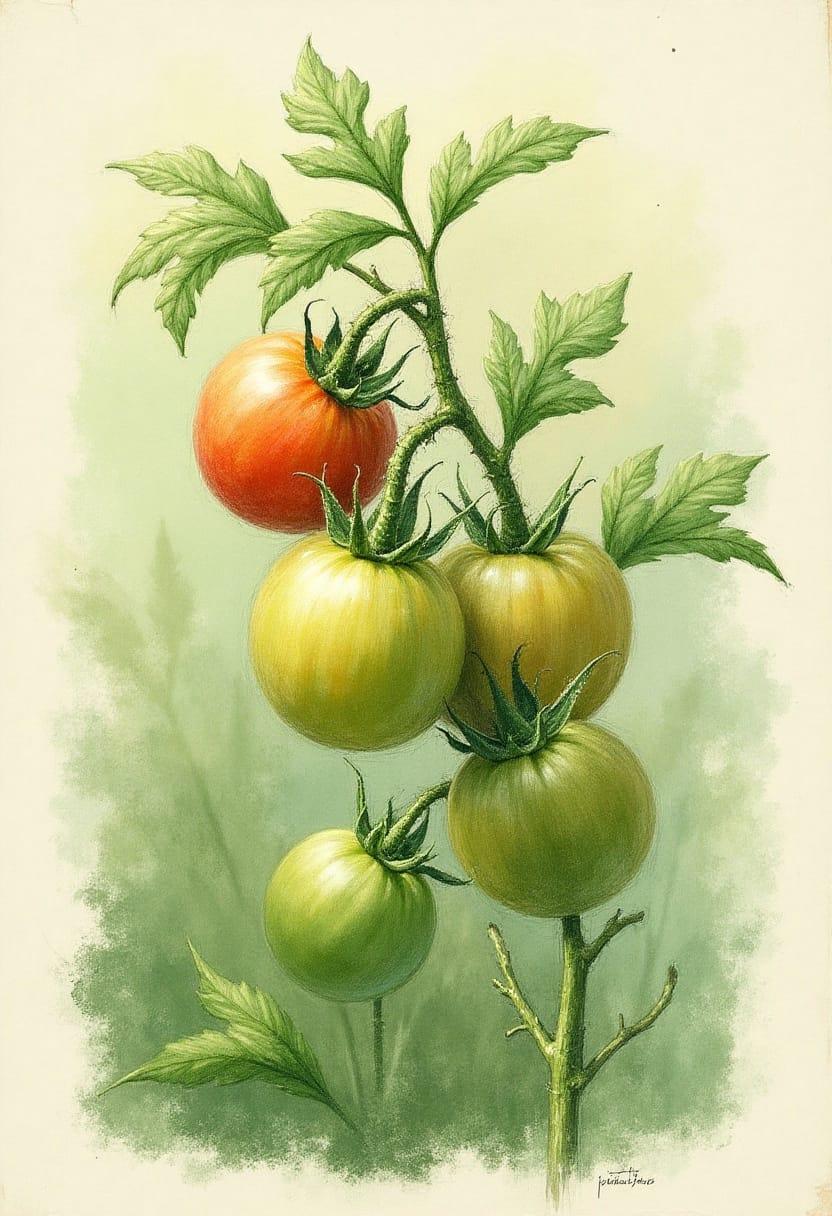
These tomatoes grow well in USDA zones 3 through 11. Their sweet-acid balance is what gives sauces that homemade taste. Even beginner gardeners can grow a good crop with a little care.