Amish paste tomato plant
- Fun facts /
- Tomato /
- Tomato varieties /
- Amish paste tomato plant

The Amish Paste Tomato Plant is famous for its meaty texture, making it perfect for sauces. These tomatoes can grow surprisingly large—some reaching up to 12 ounces each. Despite their size, they have very few seeds, which makes them great for cooking.

They were originally cultivated by the Amish community in Wisconsin. These plants thrive in sunny gardens and love well-drained soil. You can start them indoors about 6–8 weeks before the last frost.

The fruits have a teardrop shape, kind of like a big red drop of ketchup. They’re known for having a slightly sweet, rich tomato flavor. Their skin is relatively thin, so they’re easy to peel for canning.

If you’re making pasta sauce from scratch, this variety is a top choice. The Amish Paste Tomato Plant can grow over 6 feet tall with the right support. They do best with cages or stakes to hold up the heavy fruit.

These tomatoes ripen mid-to-late season, usually around 80–85 days after planting. They keep producing through the summer if you keep picking them. The more you harvest, the more they grow—it’s like tomato magic.

Heirloom lovers adore them because they’re open-pollinated and stable. You can save seeds from this year’s crop and plant them next year. Each plant can yield dozens of juicy tomatoes in one season.

Even though it’s called a paste tomato, you can eat it fresh, too. Slice one on a sandwich or toss it in a salad—delicious either way. These tomatoes aren’t super watery, so they hold up well when cooked.

The Amish Paste Tomato Plant isn’t just practical—it’s also pretty. Its green vines and bright red fruits make any garden look cheerful. Pollinators like bees also love its yellow flowers in early summer.

Gardeners often say it has a “classic tomato smell” when you rub the leaves. It’s a smell that reminds many people of their grandparents’ gardens. Some folks grow it just for the nostalgia factor.

The Amish Paste Tomato Plant was first listed in the Seed Savers Exchange in the 1980s. Before that, it was mostly known only in Amish communities. Now, it’s a hit in home gardens across the U.S. and beyond.

These plants like warm nights and long sunny days to grow well. They don’t love being cold, so hold off on planting until spring really kicks in. Tomato mulch can help keep their roots cozy and moist.

To get the best flavor, wait until the fruit is fully red before picking. Underripe ones can taste a bit bland or tart. You can store picked tomatoes on the counter, but not in the fridge—they lose flavor.

Some gardeners swear by pruning the lower leaves to boost airflow. Good airflow helps prevent fungal diseases like blight. It also makes harvesting easier when the fruit starts coming in.

The Amish Paste Tomato Plant can be grown in big containers, too. Just make sure the pot is deep enough for the roots to spread. Don’t forget to water regularly—potted tomatoes dry out fast.

Blossom-end rot can be a problem if the plant doesn’t get enough calcium. Crushed eggshells or garden lime can help keep that in check. Consistent watering is key to preventing it, too.

Companion planting with basil or marigolds can help keep pests away. Tomatoes and basil are a match made in garden heaven. Marigolds can deter nematodes and other tiny root invaders.
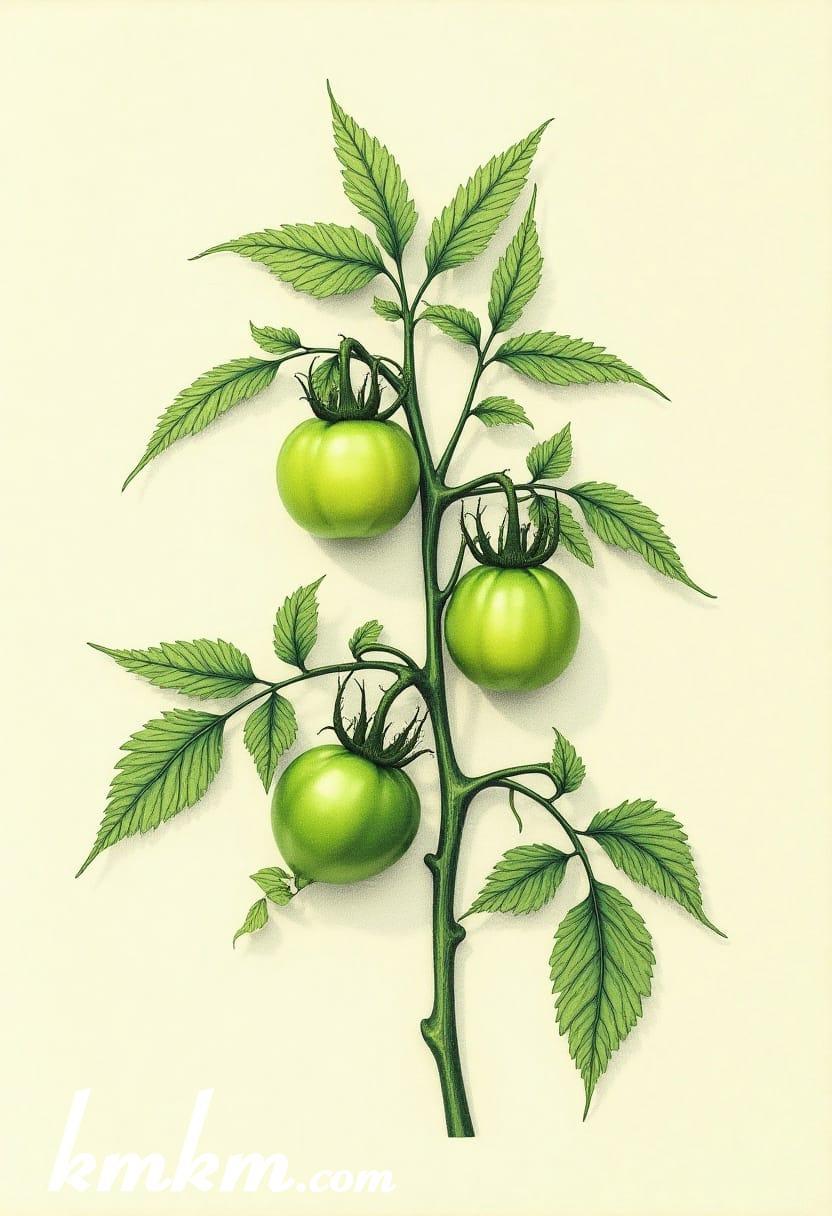
If you live in a windy area, consider planting near a fence for wind protection. Tomato cages also double as a support system and windbreak. Adding compost every few weeks helps keep the plant happy and productive.
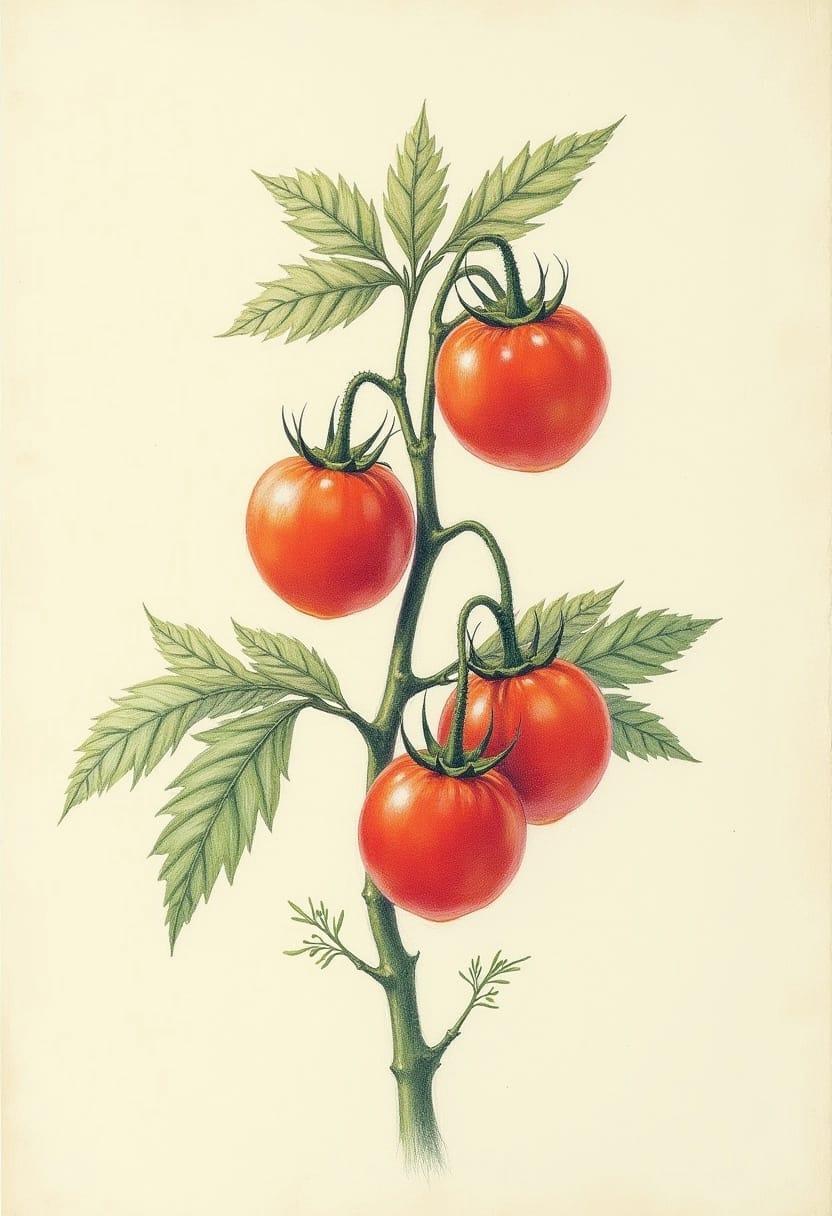
One plant can give you enough tomatoes for several batches of sauce. Home-cooked tomato sauce freezes well and tastes better than store-bought. Some people roast the tomatoes first to bring out their natural sugars.
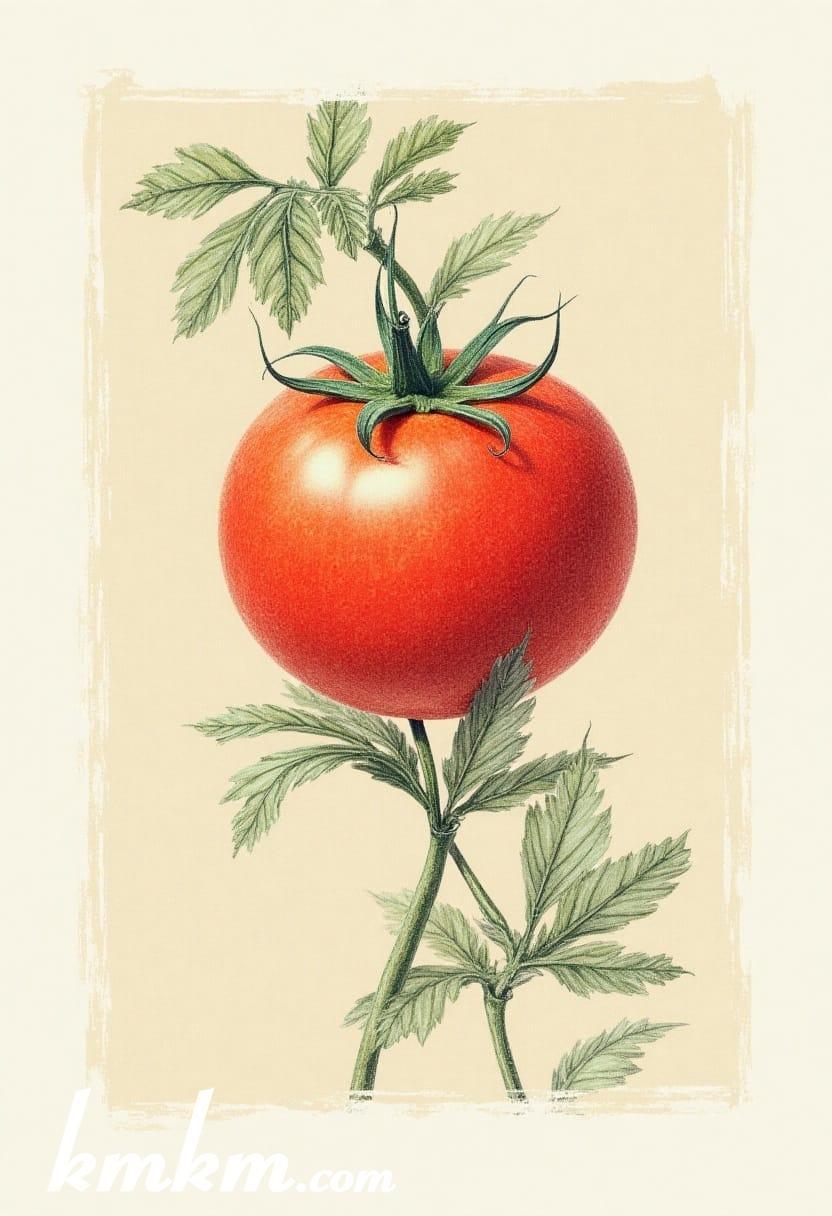
The Amish Paste Tomato Plant is one of the most dependable heirlooms around. It’s resistant to cracking, even when the weather shifts suddenly. With some love and sunshine, this plant can be the star of your garden.
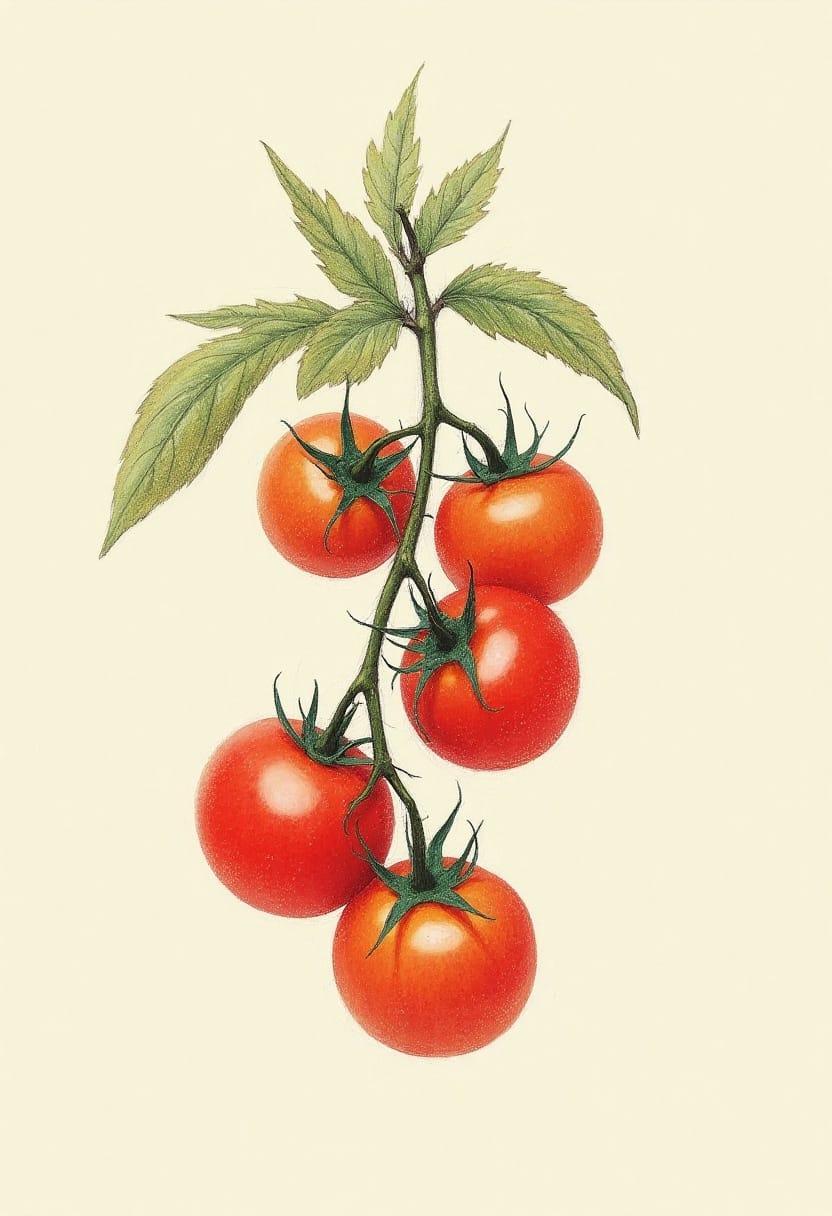
It’s easy to see why gardeners keep coming back to this tomato year after year. Whether you’re a beginner or a seasoned grower, it’s a great pick. There’s something satisfying about turning a homegrown tomato into a perfect pasta dinner.