Amish seeds
- Fun facts /
- Tomato /
- Tomato varieties /
- Amish seeds

Some Amish seeds are saved by hand, passed down like precious family recipes. The Amish often grow varieties of tomatoes that haven't changed for over 100 years. These seeds usually come from plants that have never been touched by chemicals.

A single Amish cucumber seed can grow a vine longer than a car. Amish seeds are often open-pollinated, meaning the plants can naturally reproduce without lab tweaks. Amish gardeners often grow crops based on moon phases—yep, like old-school cosmic farming!

You might be eating produce grown from Amish seeds and not even know it. Many Amish families swap seeds at local markets, like trading baseball cards but tastier. Heirloom corn from Amish farms can be purple, red, or even multicolored.

Some Amish melons are so fragrant they’re used as natural air fresheners. Unlike most commercial seeds, Amish seeds are never patented. Amish-grown garlic is so potent, it’s been nicknamed “farmhouse fire.”

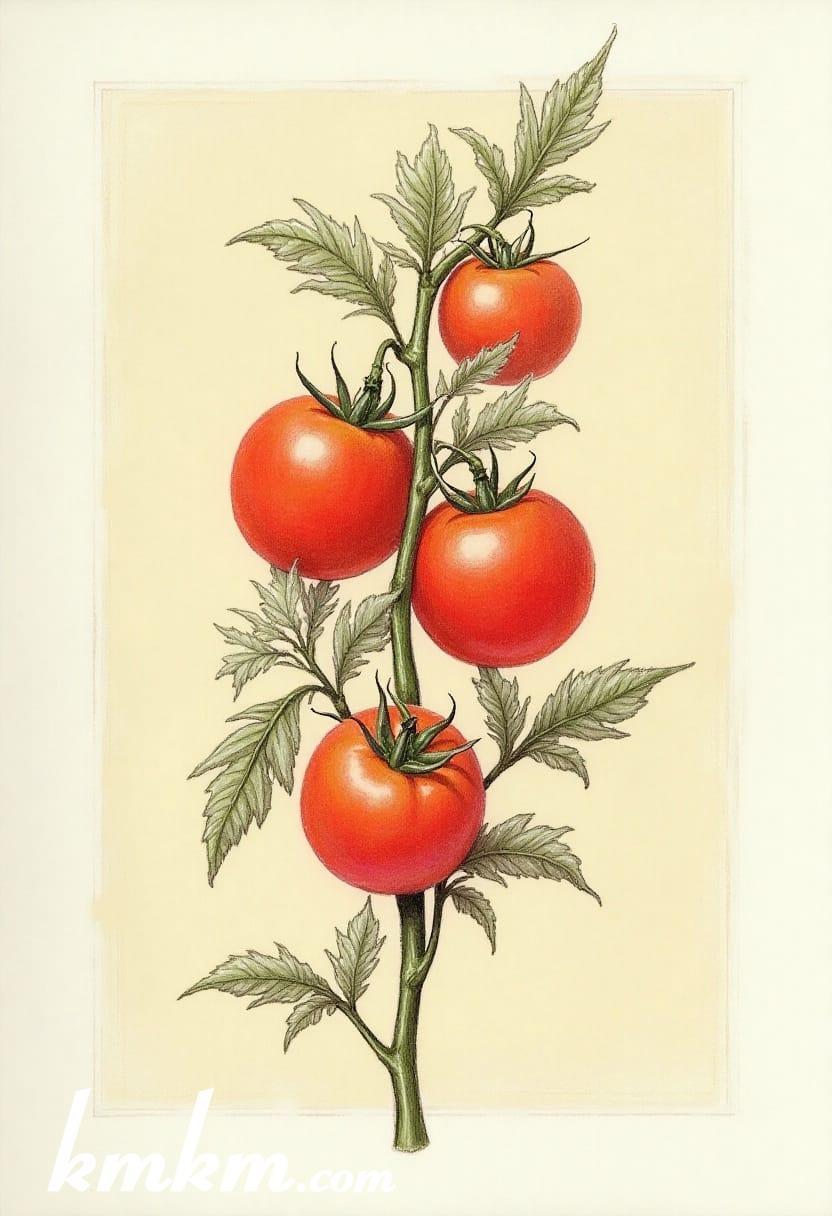
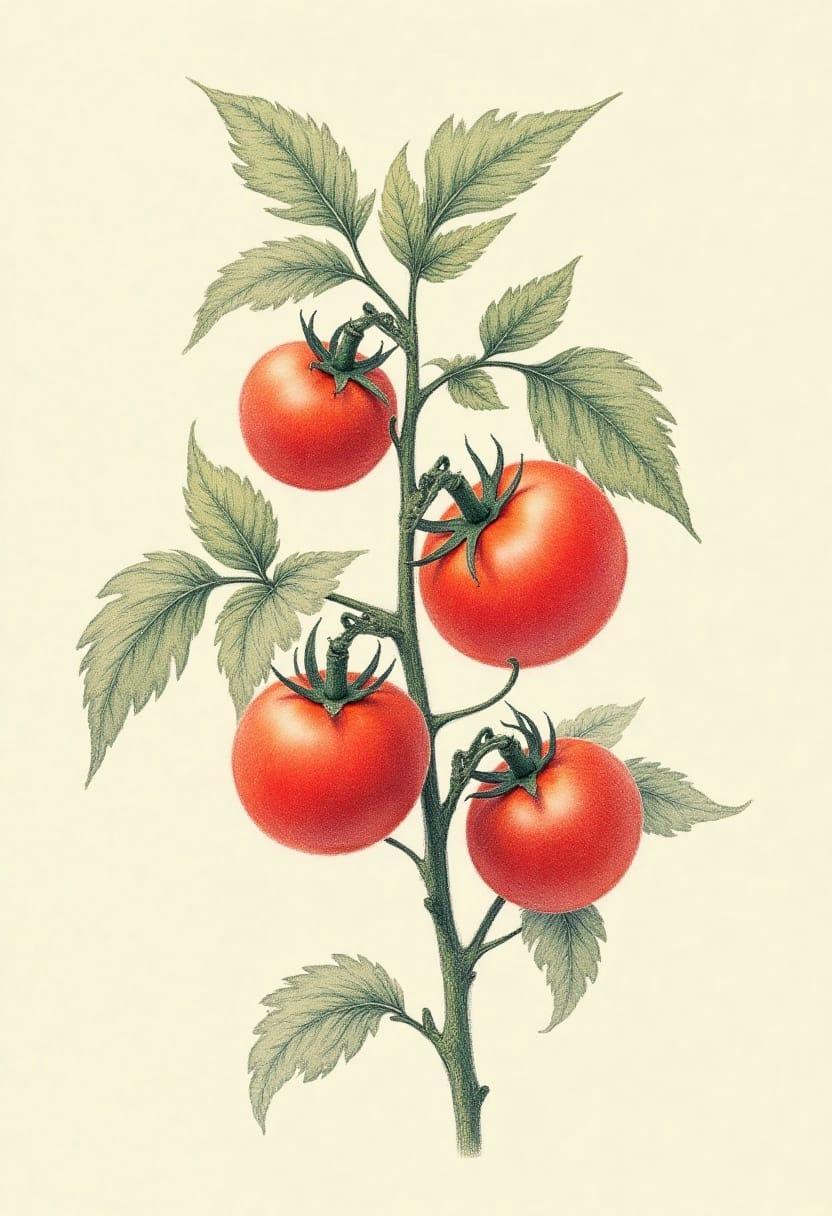
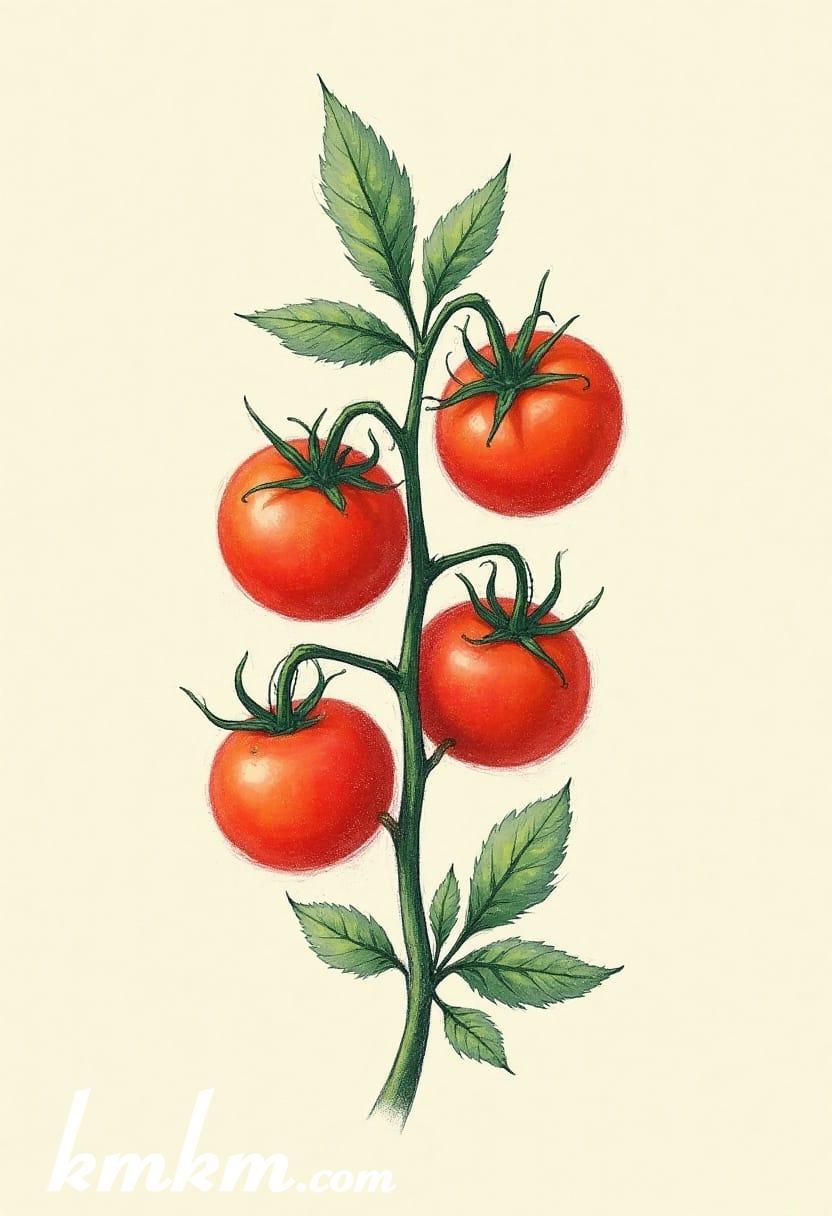
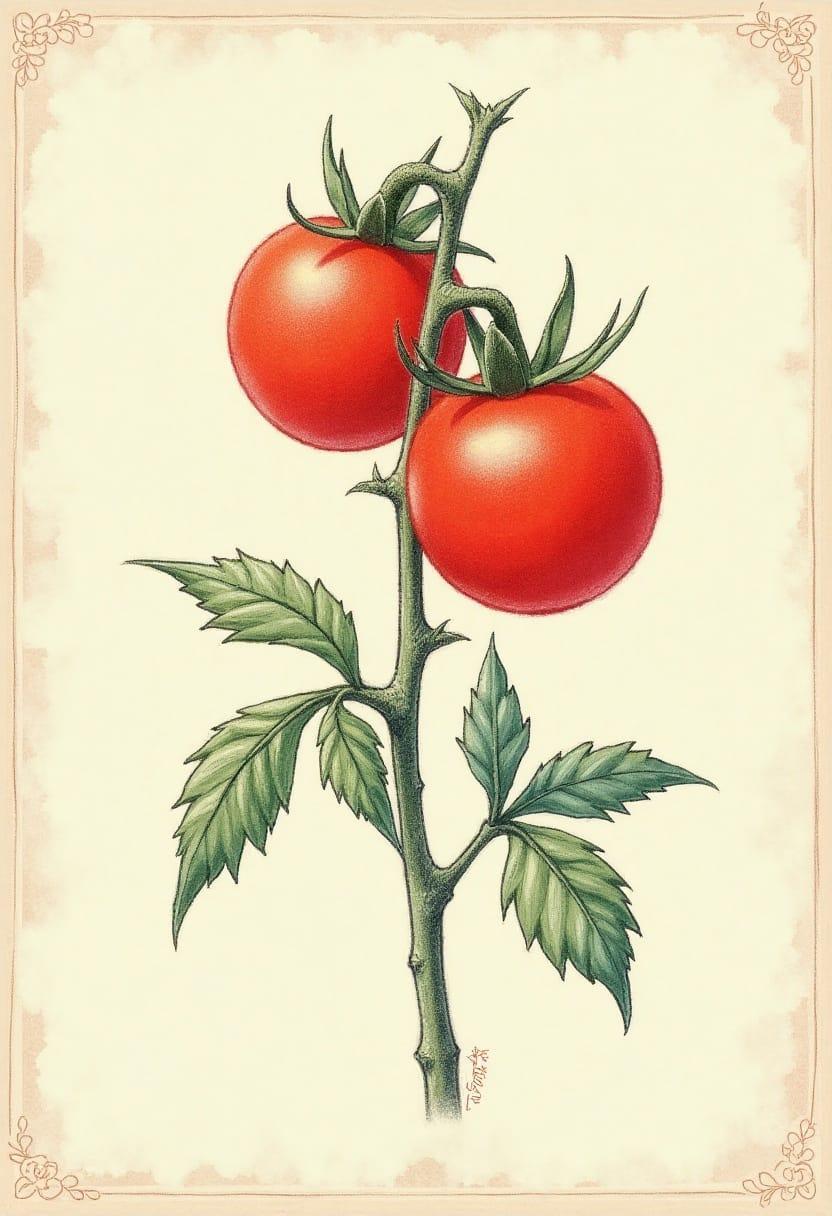
Want a tomato that tastes like sunshine? Try one from Amish seeds. Amish lettuce varieties can survive cold snaps better than your average salad greens. Some Amish beans grow tall enough to be used as makeshift garden fences.

Old-school Amish squash can grow big enough to be used as footstools. They often save seeds from the strongest plants, like choosing the superhero of vegetables. Amish peppers come in sweet, smoky, and tongue-tingling hot.

Amish seeds have been found in jars sealed for over 50 years—and still sprouted! Some varieties are grown for flavor, not looks, which means ugly veggies that taste amazing. Farmers often select seeds from the tastiest fruit, not just the biggest or prettiest.

There’s an Amish watermelon that’s more yellow than red inside. Kids in Amish communities often help save seeds—it’s like their version of a summer job. You won’t find many Amish seeds in big-box stores—they’re too rare and special.

Amish carrots can be purple, yellow, or white—not just orange. Some seeds are stored in hand-sewn cloth pouches, no plastic bags involved. Amish gardeners rarely use machines, so each seed is part of a story grown by hand.

Some Amish herbs are so strong they’re used in homemade remedies. You can still find Amish seeds being exchanged in handwritten letters. Amish cucumbers often grow extra crunchy—perfect for pickling.

The Amish believe a plant’s health starts with the seed, not the spray. Some of their seeds have roots (pun intended) in Europe centuries ago. These seeds thrive in compost-rich soil, not synthetic fertilizer beds.

Amish pumpkins are grown more for pies than jack-o'-lanterns. Certain seed types are named after the family that kept them alive—like “Stoltzfus Tomato.” Amish gardens may look simple, but they grow plants tougher than store-bought hybrids.

Some Amish varieties of kale are sweeter in frost—science backs this up. You can plant Amish seeds and still get new surprises, thanks to natural cross-pollination. They often plant flowers with veggies to attract bees and butterflies.

Amish onions are known for their long shelf life—great for winter stews. There’s an Amish seed for popcorn that pops into tiny, nutty-tasting kernels. They sometimes use ashes from the fireplace to fertilize their plants.

Many Amish seeds are drought-resistant, making them great for tough gardens. Some are so rare they’re only grown in a handful of counties. These seeds are like time capsules of old farming wisdom.

Amish seeds are chosen for flavor, not fast growth. The Amish way of seed saving helps preserve genetic diversity. You can grow Amish plants in backyard pots—they don’t need giant fields.
Amish radishes can grow in cooler soil earlier than most spring veggies. Some families handwrite their own planting guides, passed down through generations. Amish sunflowers are often used as both decoration and chicken snacks.
Even the birds on Amish farms get seeds grown without chemicals. Many Amish plants grow slower, which can mean richer flavors. You can swap Amish seeds at community seed exchanges—no cash needed, just goodwill.
The seed-saving process is often done while telling stories—mixing science and tradition. Many Amish farmers keep journals tracking each season’s seed results. Growing from Amish seeds helps reconnect with nature and real food.
Some gardeners say plants from Amish seeds feel more “alive” than commercial ones. You don’t need to be Amish to appreciate their seeds—just a love for real flavor. Trying Amish seeds in your garden might just change how you see vegetables forever.