Best heirloom tomatoes
- Fun facts /
- Tomato /
- Tomato varieties /
- Best heirloom tomatoes

Heirloom tomatoes come in a rainbow of colors—from deep purples to bright yellows—making them a feast for the eyes. Many gardeners say the Best Heirloom Tomatoes have a flavor that supermarket varieties just can’t match. These tomatoes are open-pollinated, meaning you can save seeds year after year without losing the variety’s unique traits.

Unlike hybrids, heirlooms have been passed down for generations, often over 50 years old or more. The Best Heirloom Tomatoes tend to have richer, more complex flavors because they’re grown for taste, not shipping durability. Some heirlooms have quirky shapes—like ribbed or pear-shaped—that make them stand out on your plate.

Because they’re open-pollinated, cross-pollination can sometimes create new heirloom varieties unintentionally. Growing the Best Heirloom Tomatoes requires a bit more care since they’re less resistant to disease than hybrids. But many gardeners swear the taste payoff is totally worth the extra attention.

Heirloom tomatoes often have thinner skins than commercial types, so they’re perfect for fresh eating but tricky for shipping. They’re also known for having more juice and a fuller texture, great for sauces and salads. The color variations sometimes signal different nutritional profiles, like higher antioxidants in darker varieties.

Some of the Best Heirloom Tomatoes include Brandywine, Cherokee Purple, and Green Zebra—each with its own unique flavor story. Brandywine is famous for its sweet, classic tomato taste with a hint of acidity. Cherokee Purple has a smoky, rich flavor with a beautiful deep purple-red color.

Green Zebra stands out with its bright green stripes and tangy, slightly tart flavor. These varieties have inspired many home cooks and chefs to experiment with tomato dishes. Heirlooms can be used in everything from fresh sandwiches to roasted tomato sauces.

Growing the Best Heirloom Tomatoes indoors before transplanting can give plants a strong start, especially in cooler climates. These tomatoes thrive in rich, well-drained soil and plenty of sun—about 6 to 8 hours daily. Consistent watering is important to avoid cracking, a common issue with heirlooms.

Support for your tomato plants, like cages or stakes, is a must because many heirlooms grow tall and heavy with fruit. Pruning suckers (the small shoots that grow between branches) helps the plant focus energy on fruit production. Mulching helps keep soil moist and temperature steady, reducing stress on the plants.

Best Heirloom Tomatoes often have thicker leaves, which can make identifying pests easier. Common pests include tomato hornworms and aphids, which can be managed naturally with ladybugs or neem oil. Healthy plants with good airflow tend to resist diseases better than crowded ones.
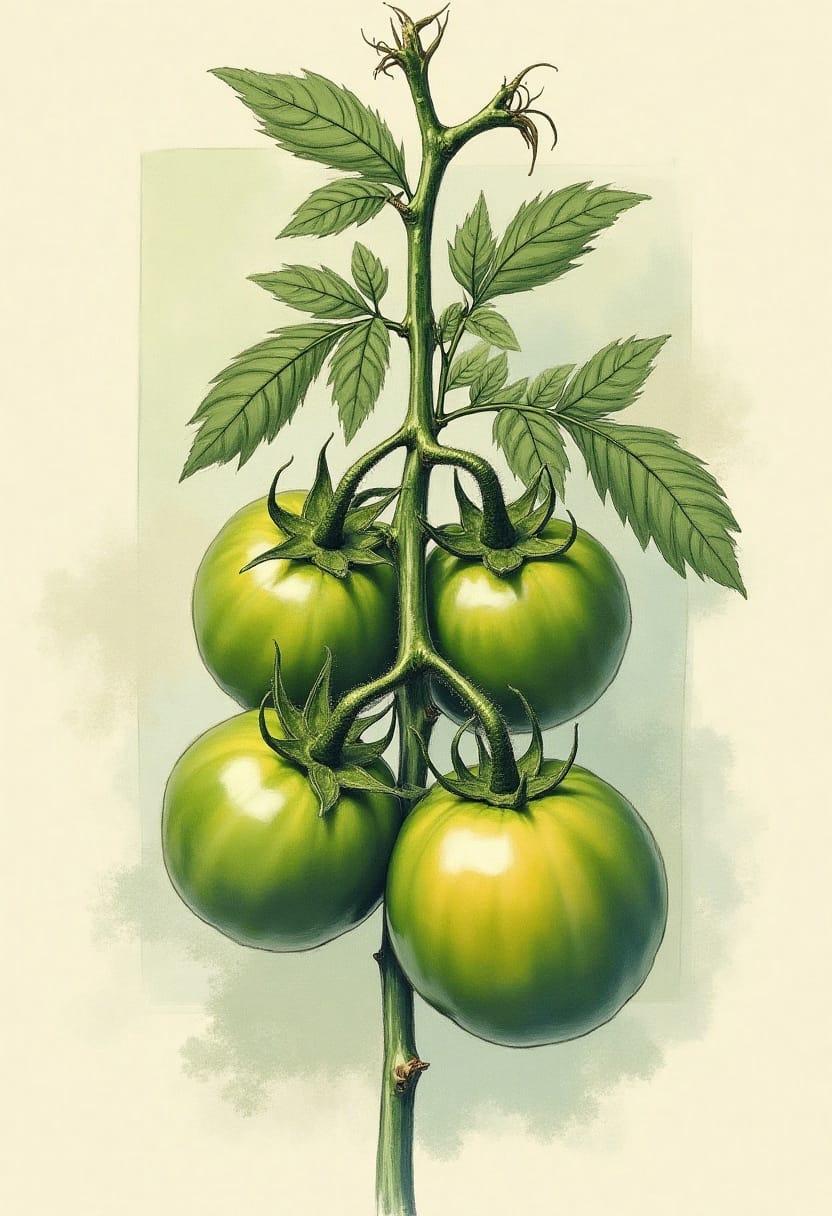
Heirlooms can take longer to mature than hybrids—sometimes 70 to 90 days—but the flavor usually makes the wait worthwhile. Their irregular shapes and sizes are part of their charm; no two heirloom tomatoes are exactly alike. This uniqueness adds character to your garden and meals.
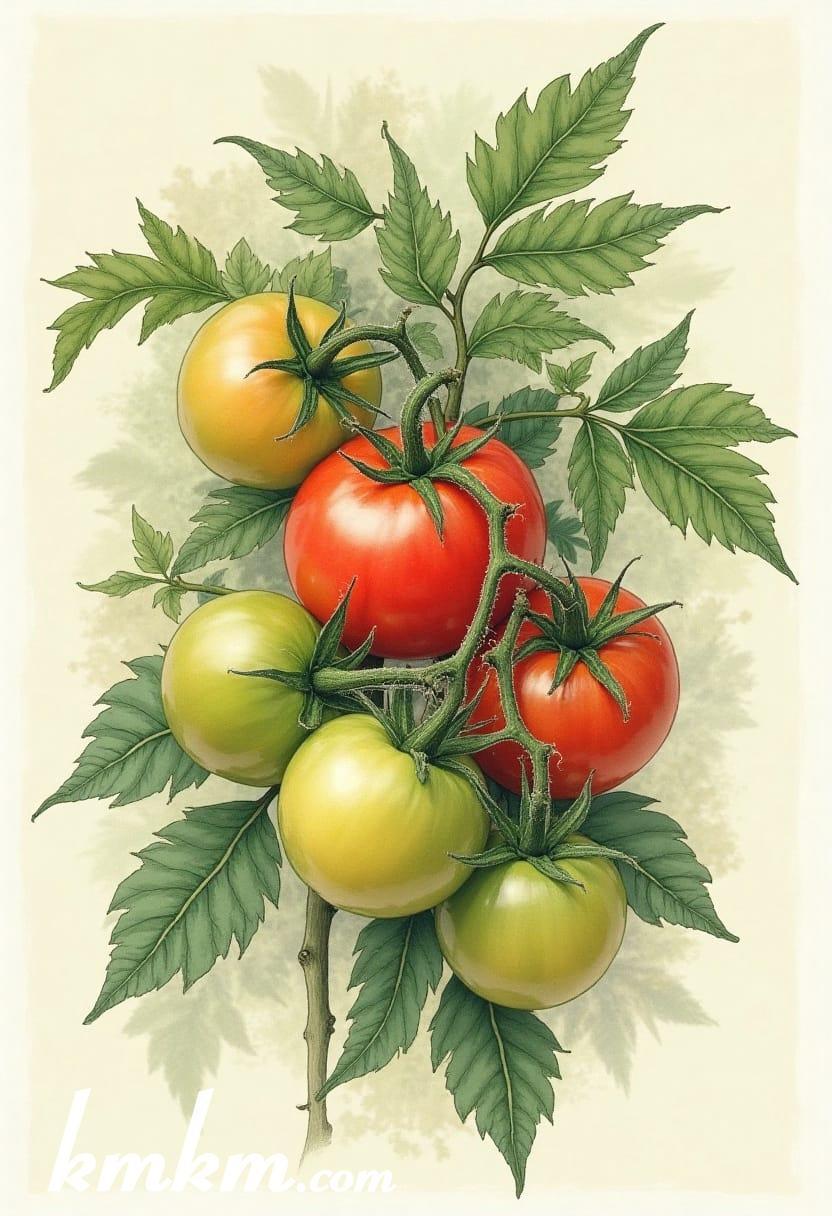
Seed saving is a big part of the heirloom tradition—dry the seeds, ferment them briefly to remove gel, and store them in a cool, dry place. This keeps the genetic line pure for future growing seasons. The Best Heirloom Tomatoes often become family favorites, passed down like heirlooms themselves.
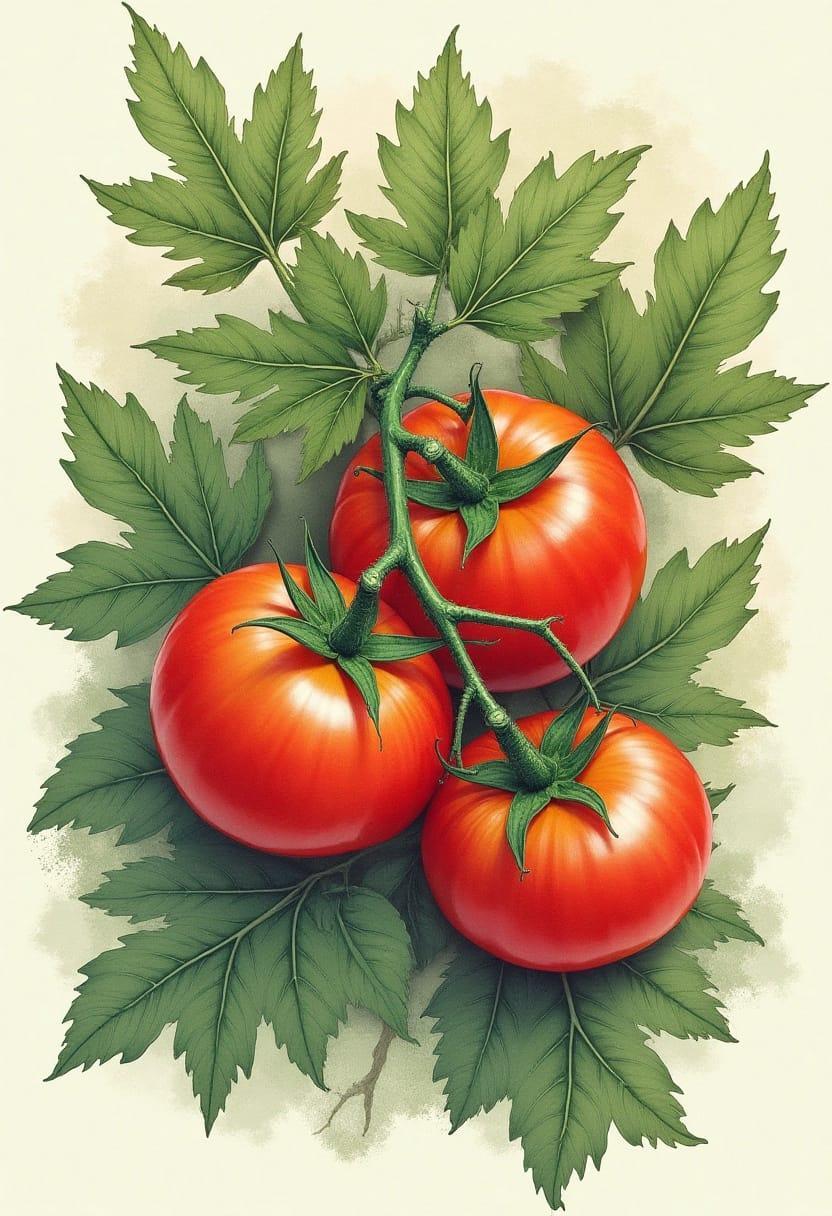
Many heirloom varieties are rich in lycopene, an antioxidant linked to heart health and cancer prevention. The color diversity in heirlooms often reflects different antioxidant levels, with deeper reds and purples packing the most punch. Eating a mix of tomato colors can help maximize health benefits.
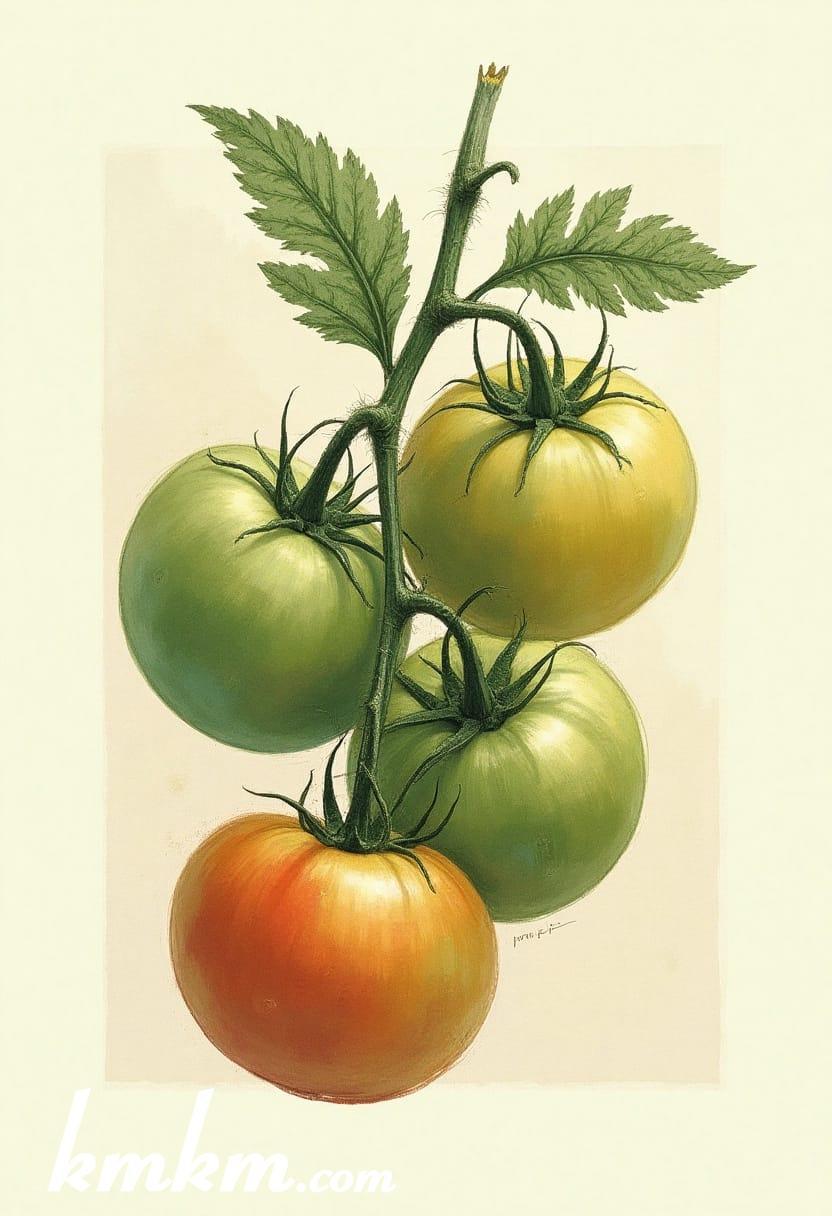
Heirloom tomatoes are ideal for making fresh sauces due to their intense flavor and juicy texture. They’re also fantastic sliced thick on sandwiches, adding both taste and visual appeal. Salads get a boost from their color and sweetness, making them more appetizing.

Some Best Heirloom Tomatoes are known for their disease resistance, but many still need regular monitoring. Crop rotation and clean gardening tools help prevent soil-borne diseases. Planting companion herbs like basil can improve tomato health and flavor.

If you live in a shorter growing season area, starting heirloom tomato seeds indoors or using grow lights can extend your harvest. Using row covers can protect young plants from pests and chilly nights. Growing in containers is also an option for those with limited garden space.

Heirloom tomatoes add variety and excitement to farmers markets and community gardens. Their stories often connect us to past generations of growers and gardeners. This heritage makes eating heirlooms a celebration of history as well as taste.

Some heirlooms are famous for their unique scents, with notes ranging from fruity to earthy. The aroma adds another sensory layer to the eating experience. This can make cooking with heirlooms a truly immersive activity.

To get the Best Heirloom Tomatoes, look for trusted seed sources and nurseries specializing in heritage varieties. Growing your own means you can avoid pesticides and control the growing environment. Plus, you get to enjoy the thrill of nurturing something rare and special.

Heirloom tomato plants can sometimes show off their ancestry through leaf shape and growth habit, making gardening a bit like detective work. Understanding your tomato’s background can help you meet its needs better. It’s a fun way to deepen your connection to your garden.

Whether you’re a beginner or a seasoned grower, the Best Heirloom Tomatoes offer a rewarding challenge and a delicious payoff. Their flavor, history, and diversity keep gardeners coming back season after season. Growing them brings both beauty and bounty to your home garden.