Beef tomato varieties
- Fun facts /
- Tomato /
- Tomato varieties /
- Beef tomato varieties

Beef tomato varieties are known for their large size and meaty texture, making them a favorite for sandwiches and salads. They often weigh over a pound, with some giants tipping the scales at two pounds or more. These tomatoes usually have thick, juicy flesh that holds up well when sliced.

There are many types of beef tomatoes, ranging in color from classic red to pink, yellow, and even striped. Some popular beef tomato varieties include Brandywine, Cherokee Purple, and Big Boy. Each variety brings its own unique flavor, from sweet and fruity to rich and smoky.

Beef tomato varieties tend to grow on indeterminate vines, which means they keep growing and producing fruit all season long. Because they get so large and heavy, these tomatoes need strong cages or stakes for support. Spacing plants about 2 to 3 feet apart helps keep air flowing and prevents disease.

The thick flesh of beef tomato varieties makes them perfect for slicing thick on burgers or sandwiches. They’re also great for fresh eating and hold their shape well in salads. However, because of their size and water content, they aren’t the best choice for canning.

Starting beef tomato varieties from seed indoors about 6 to 8 weeks before the last frost ensures a longer growing season. Once transplanted outside, they require full sun and consistent watering for the best fruit development. Uneven watering can cause cracking or blossom-end rot, so keep moisture steady.

Beef tomato varieties are often grown by gardeners who want flavorful, juicy tomatoes that make a statement on the plate. Their meaty texture means fewer seeds and more edible flesh per tomato. This also makes them a popular choice for chefs and home cooks alike.

Some beef tomato varieties, like Brandywine, are heirlooms with a long history and strong following. Others, like Big Boy, are hybrids bred for disease resistance and higher yields. Knowing your variety helps you understand its growing needs and flavor profile.

The color of beef tomato varieties can give hints about flavor—yellow ones tend to be milder and less acidic. Striped or bicolor types often have complex, layered flavors that surprise the palate. Experimenting with different beef tomato varieties can add fun variety to your garden.

Pests like tomato hornworms and aphids can affect beef tomato varieties, so regular checks are essential. Companion planting with basil, marigold, or garlic can naturally reduce pests. Crop rotation helps keep soil healthy and reduces the risk of disease buildup.

When harvesting beef tomato varieties, look for a deep, rich color and slight softness to the touch. If they’re too firm, they can ripen off the vine indoors at room temperature. Avoid refrigeration before eating to keep flavor and texture intact.

The Beef Tomato Varieties category includes some of the oldest cultivated tomatoes known to gardeners. Their large fruit size comes from natural mutations selected over centuries. They were originally prized for their ability to produce lots of meat per fruit.

Beef tomato varieties are often the centerpiece of tomato tastings due to their size and flavor. They’re delicious with a sprinkle of sea salt or paired with fresh basil and mozzarella. Many gardeners grow multiple varieties for different flavors and colors throughout the season.

These tomatoes are sensitive to extreme heat, which can cause flower drop and fewer fruits. Providing afternoon shade or using shade cloth can help protect them during heatwaves. Consistent moisture and mulching also reduce stress on the plants.

Beef tomato varieties need regular feeding with balanced fertilizer to maintain growth and fruit quality. Too much nitrogen encourages leafy growth but fewer tomatoes. Phosphorus and potassium support strong roots and abundant fruiting.
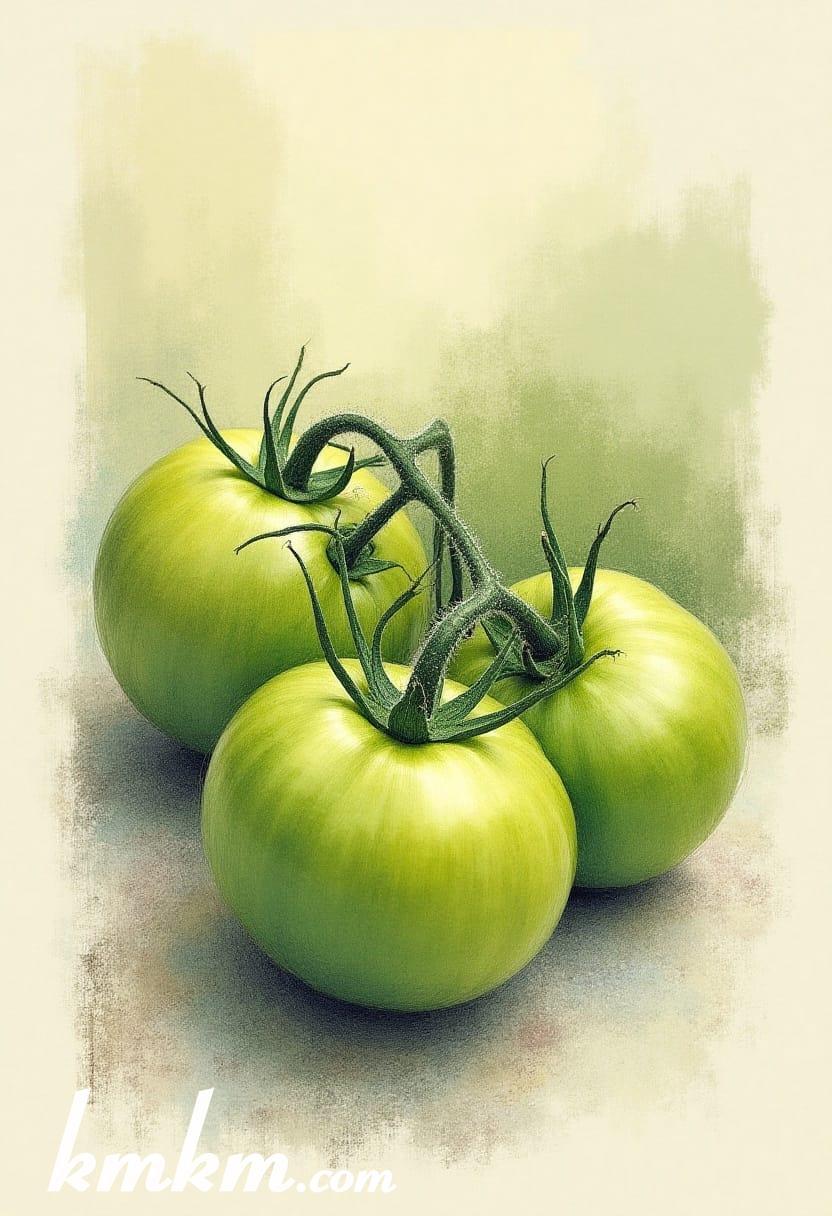
They’re perfect for slicing thick for BLTs or tomato sandwiches with mayo and a sprinkle of pepper. Their large size also makes them a great choice for homemade tomato pies or tarts. Grilling thick slices brings out their natural sweetness with a smoky touch.
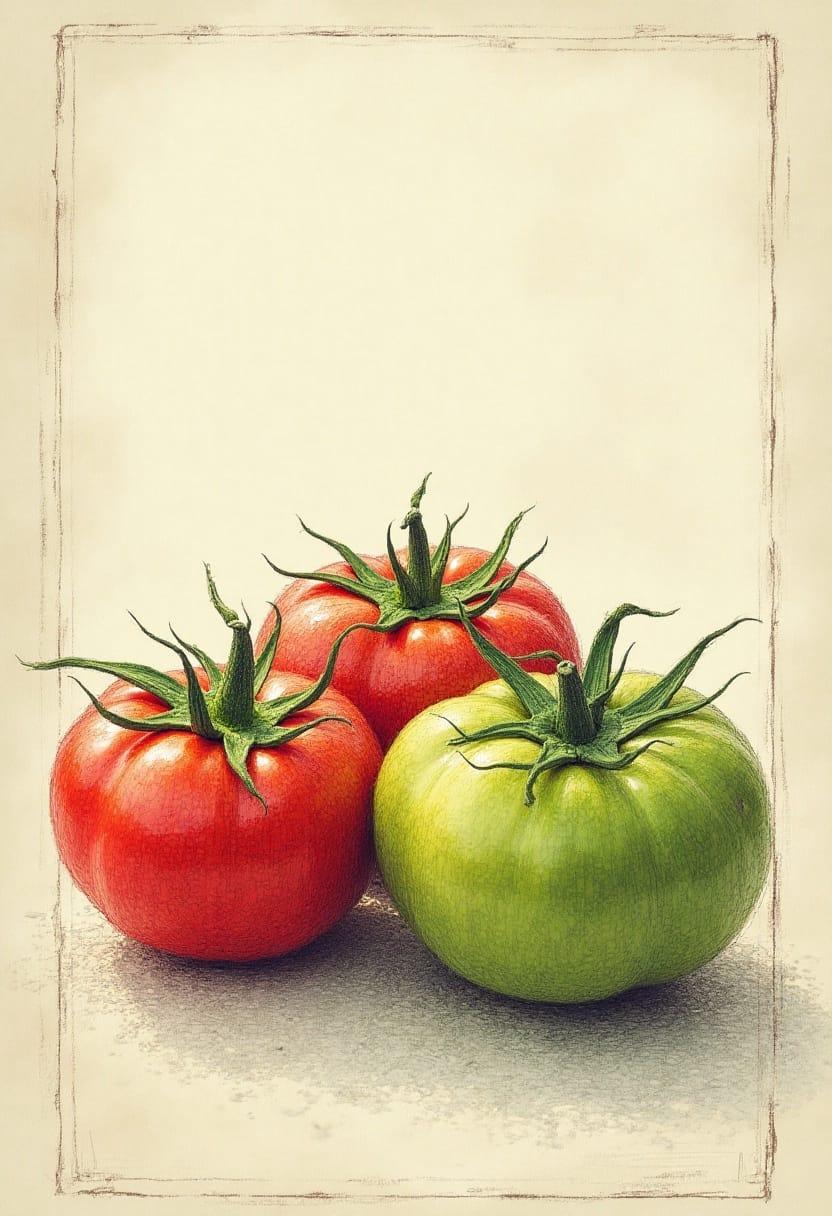
Some beef tomato varieties have a ribbed or irregular shape, which adds charm but doesn’t affect taste. Their size can vary widely even on the same plant, so expect some variation. The bigger the tomato, the more care it needs to avoid cracking or splitting.
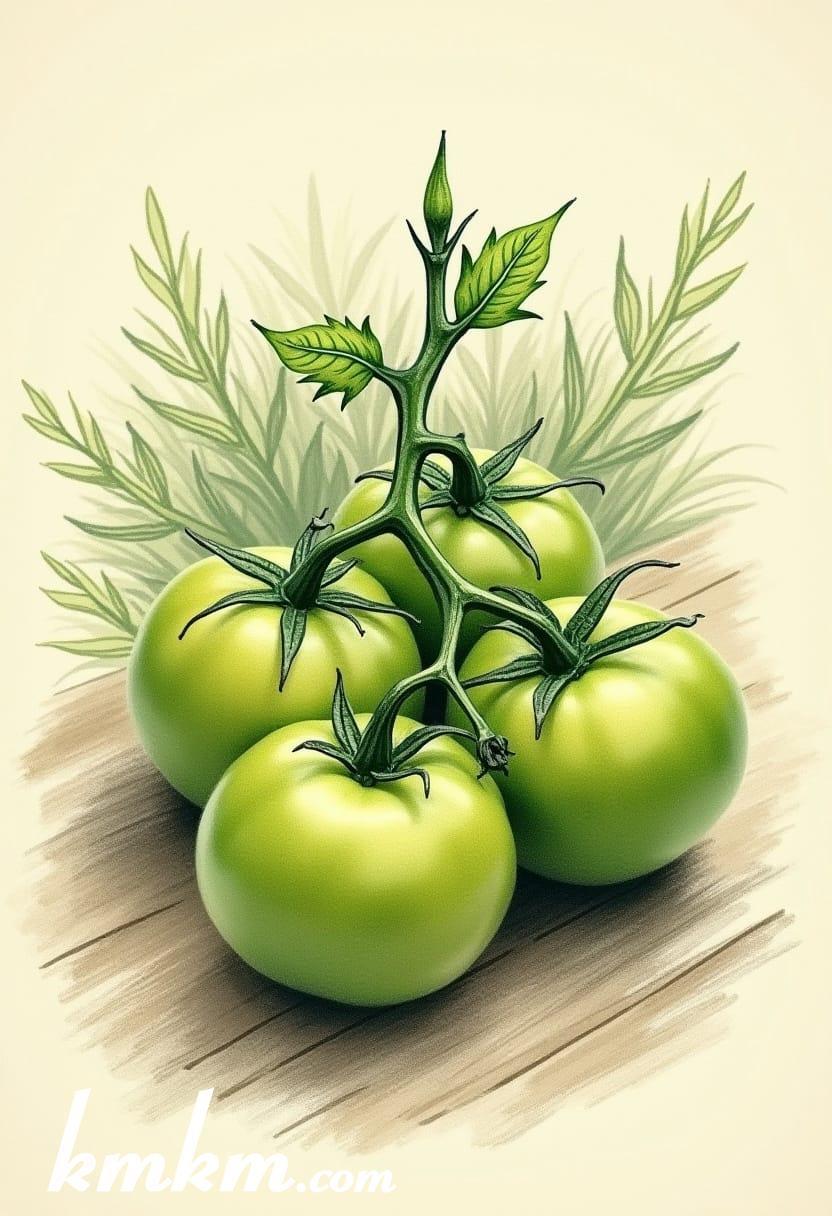
Saving seeds from open-pollinated beef tomato varieties is easy and rewarding. Let the tomatoes fully ripen, scoop out seeds, ferment them, rinse, dry, and store in a cool, dry place. This way, you can keep growing your favorite varieties year after year.
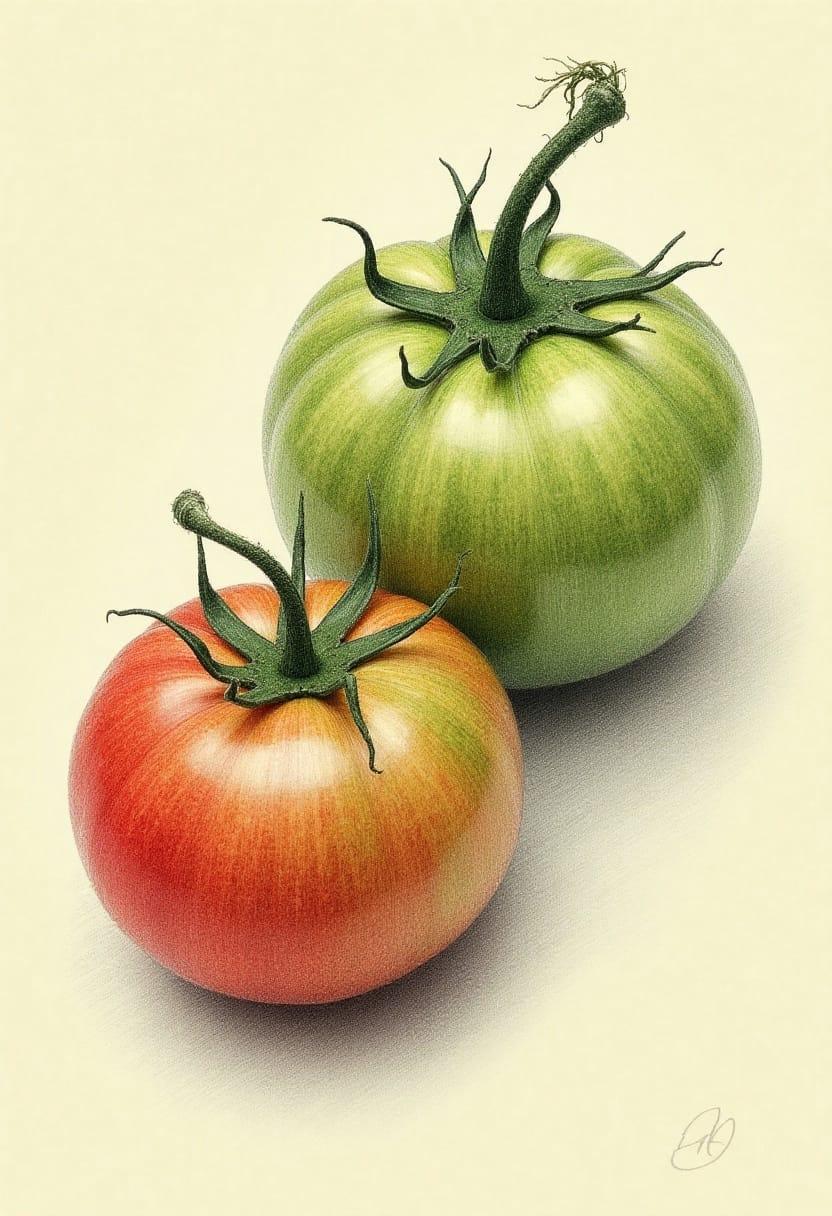
Beef tomato varieties also perform well in large containers if given enough soil and water. They need at least 5 gallons of soil and daily watering during hot weather. Fertilize container-grown tomatoes every two weeks for best results.

The flavor of beef tomato varieties is best enjoyed fresh, but they also work well in salads, salsas, and sandwiches. Their juicy flesh makes them less ideal for sauces but fantastic for fresh uses. They can also be frozen chopped for cooking later.

Beef tomato varieties thrive in USDA zones 3 through 11 with proper care. Growing them brings a satisfying reward of big, juicy fruits and bold flavors. They remain a top choice for gardeners who want impressive tomatoes with plenty of taste.