Berkeley tie dye green tomato
- Fun facts /
- Tomato /
- Tomato varieties /
- Berkeley tie dye green tomato

The Berkeley Tie Dye Green Tomato looks like a tomato and a work of art had a baby. Its skin is streaked with green, yellow, and red—like nature’s graffiti. It’s one of the most eye-catching tomatoes you can grow in your garden.

Despite its wild look, the flavor is balanced and delicious—sweet, tangy, and rich. The inside is just as cool: juicy green flesh with red marbling. It’s a real conversation starter at salad bars and cookouts.
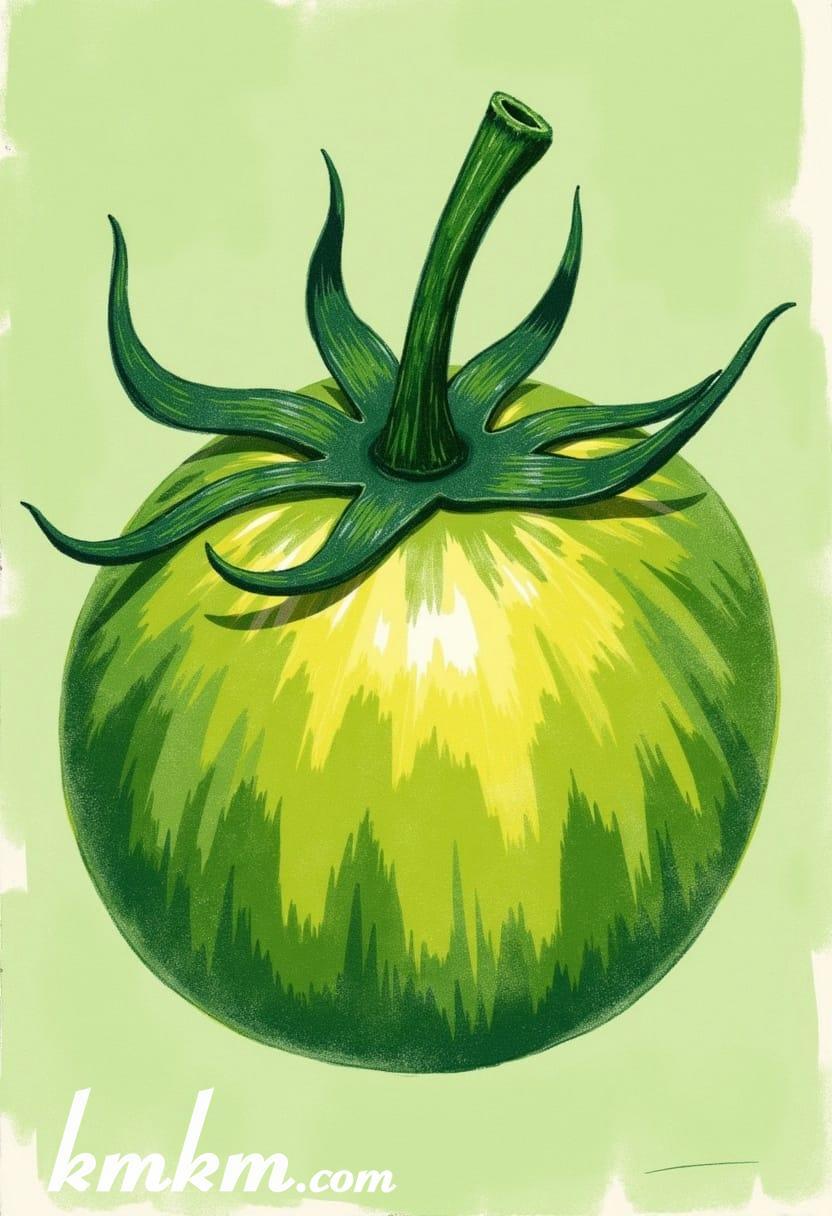
The Berkeley Tie Dye Green Tomato was developed by tomato breeder Brad Gates. He runs Wild Boar Farms in California and creates these colorful wonders. This variety is a hit with chefs, farmers markets, and food bloggers.
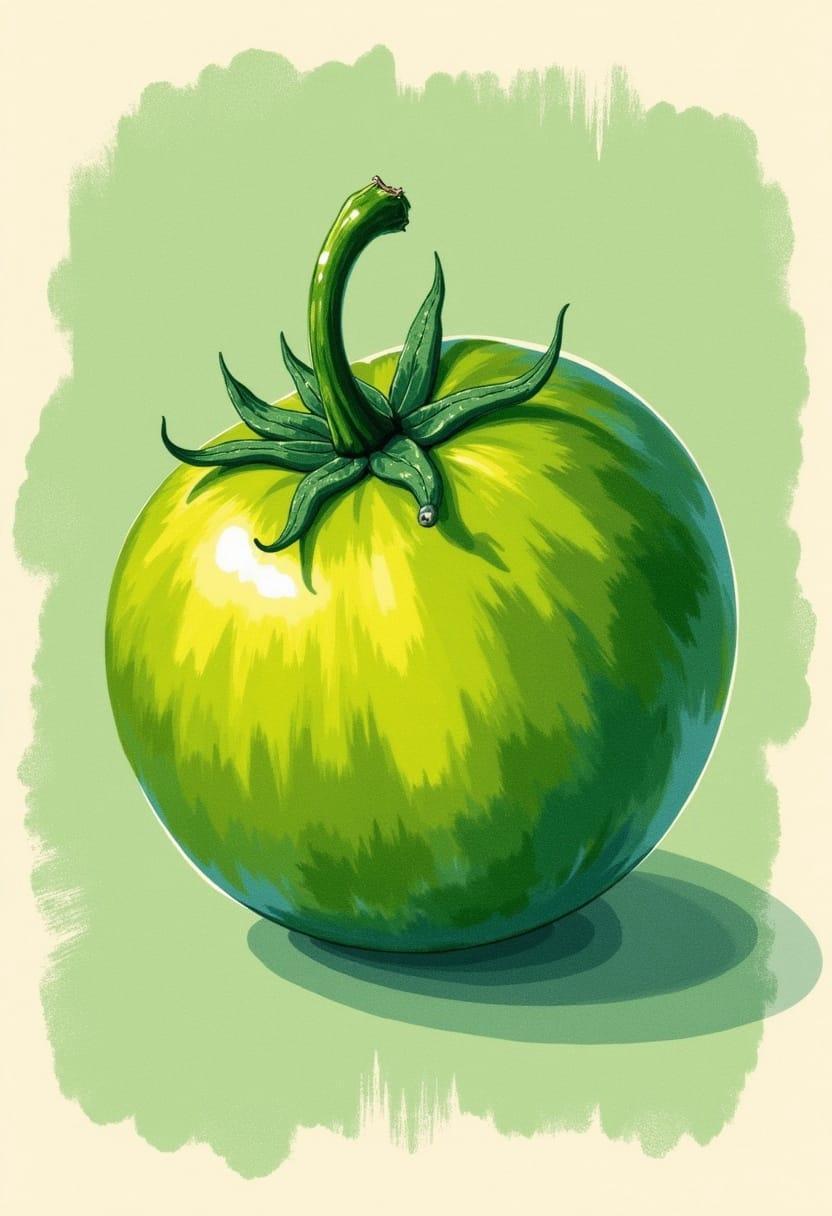
These tomatoes grow on indeterminate vines, which means they’ll keep producing all season. They love sun, warm soil, and plenty of room to stretch out. Stake them early—they get tall and need support to carry those heavy fruits.
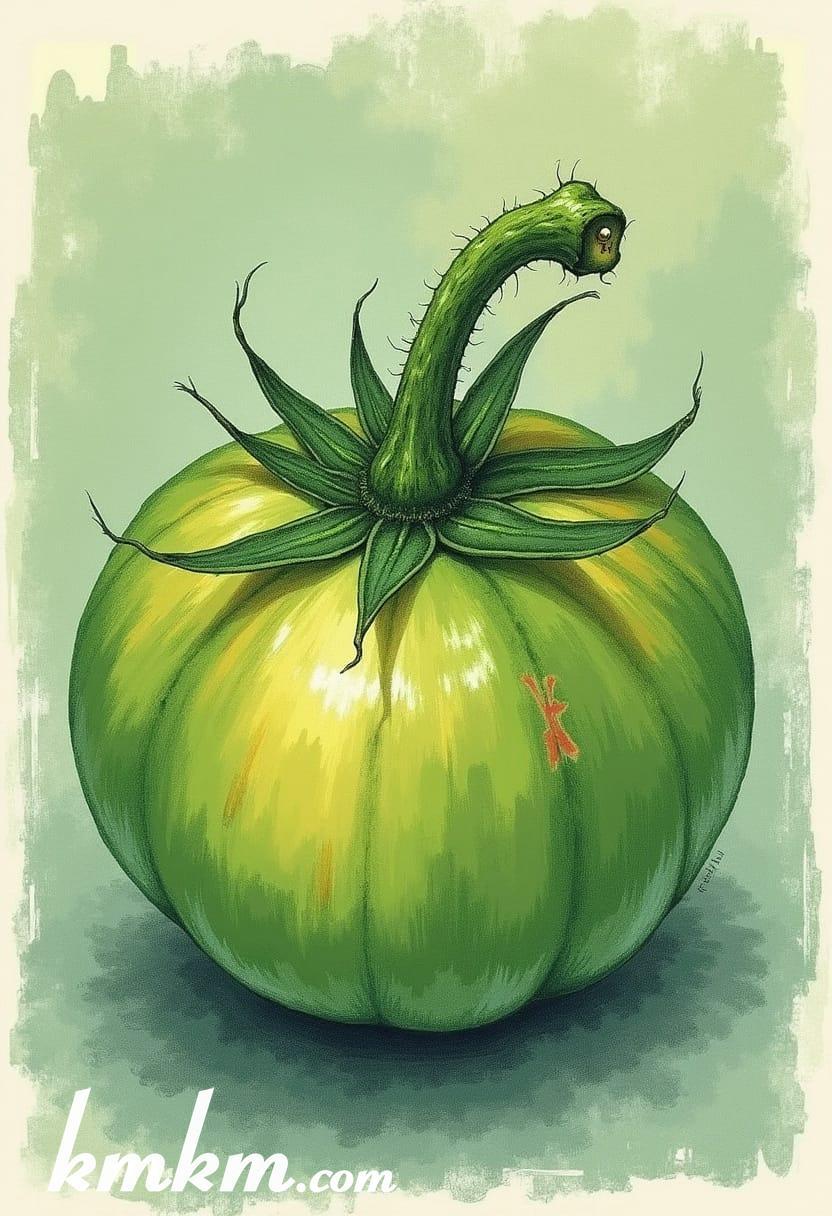
The average tomato weighs about 8 to 12 ounces, though some get even bigger. They take around 75 to 85 days to mature from transplant. Good airflow and regular watering keep them healthy and productive.
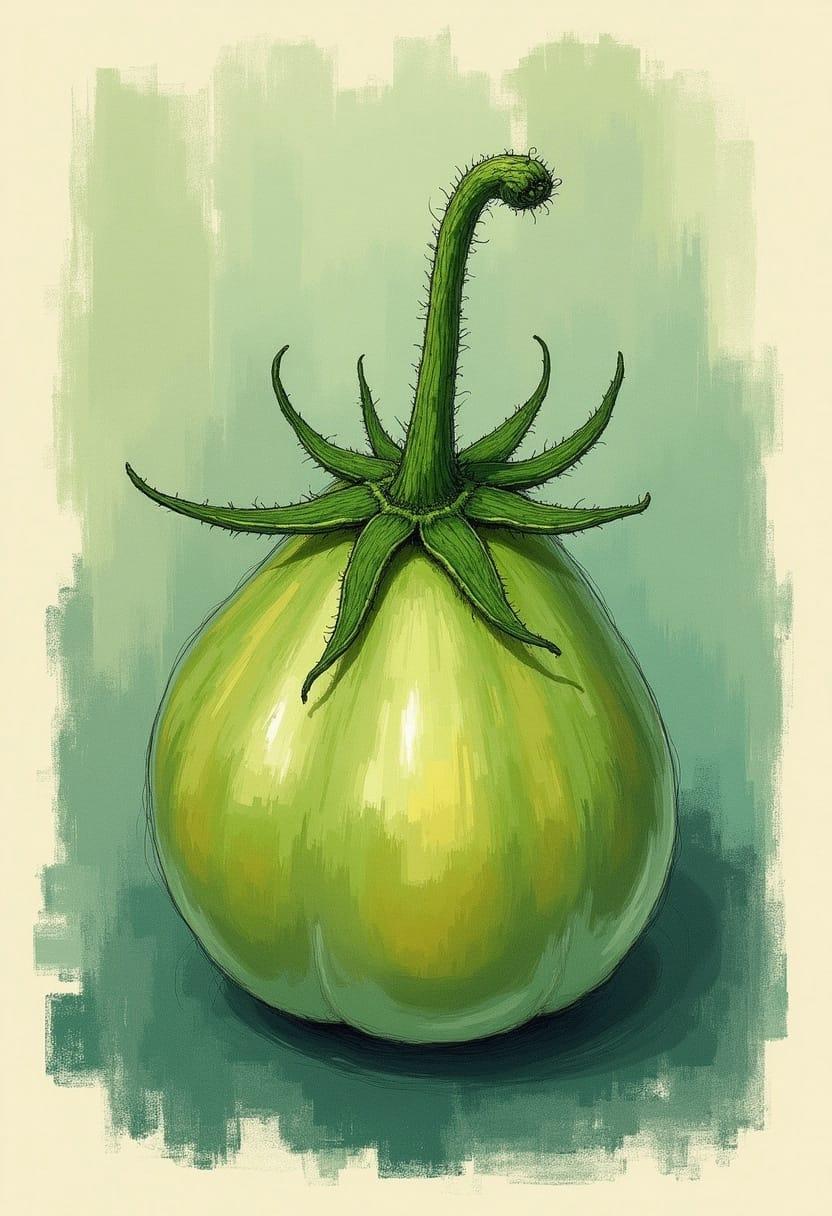
When ripe, the tomato has a soft give when you squeeze it gently. The stripes on the outside also get bolder as the fruit matures. If you pick too early, the taste won’t be as rich or sweet.

Berkeley Tie Dye Green Tomato is perfect for fresh eating—no cooking required. Add thick slices to sandwiches or burgers for a bold flavor boost. Its colors pop in salads, making every bite a photo opportunity.

The plant’s unusual fruit attracts curious visitors to your garden. It’s a fun pick for kids who think green tomatoes are boring—until they try one. Even skeptical tomato fans often end up hooked after one bite.

You can grow these tomatoes in containers, as long as the pot is big enough. A 5-gallon or larger container with good drainage will work well. Just be ready to stake and prune for the best results.

Mulch helps keep moisture in and weeds out. Compost or straw makes a great tomato-friendly mulch choice. It also keeps the fruit clean when it touches the ground.

If your tomato splits, it usually means uneven watering. Try to keep the soil moisture steady—not too dry, not too soggy. Use a rain gauge or finger test to check soil dampness.

Berkeley Tie Dye Green Tomato doesn’t like cold feet—wait for warm weather to plant. Soil temps should be around 60°F or higher for best root growth. Night temps below 50°F can stress the plant and slow it down.

They’re open-pollinated, so you can save seeds from the best fruits. Just let the tomato fully ripen, scoop the seeds, rinse, and dry. It’s a great way to build your own home-grown seed bank.

These tomatoes can get sunscald if exposed to too much direct sun. Leaves help shade the fruit, so don’t over-prune. If needed, use row cover cloth on blazing hot days.

This variety is often grown by organic gardeners for its natural resilience. It handles drought better than many supermarket hybrids. Still, regular water makes for juicier, fuller fruits.

Berkeley Tie Dye Green Tomato is sometimes called “psychedelic salad tomato.” Its wild colors and sweet-tart flavor make it a top pick for creative cooks. Try pairing it with balsamic vinegar and basil—it’s a flavor bomb.

You won’t find this tomato in most grocery stores—it bruises too easily for shipping. That’s why it’s a favorite among home gardeners and small farms. If you want unique, you’ve got to grow it yourself.

Bees and other pollinators help boost tomato harvests. Planting marigolds or herbs nearby makes your garden more bee-friendly. More pollinators = more fruit = more joy.

Too much nitrogen can make the plant grow huge leaves but no fruit. A balanced tomato fertilizer helps strike the right growth-to-fruit ratio. Look for one that’s low in nitrogen but higher in phosphorus and potassium.

The Berkeley Tie Dye Green Tomato is a bold choice with bold rewards. It brings color, flavor, and fun to any garden, patio, or plate. Grow it once, and you’ll want it in your garden every summer.