Beefsteak tomato heirloom
- Fun facts /
- Tomato /
- Tomato varieties /
- Beefsteak tomato heirloom

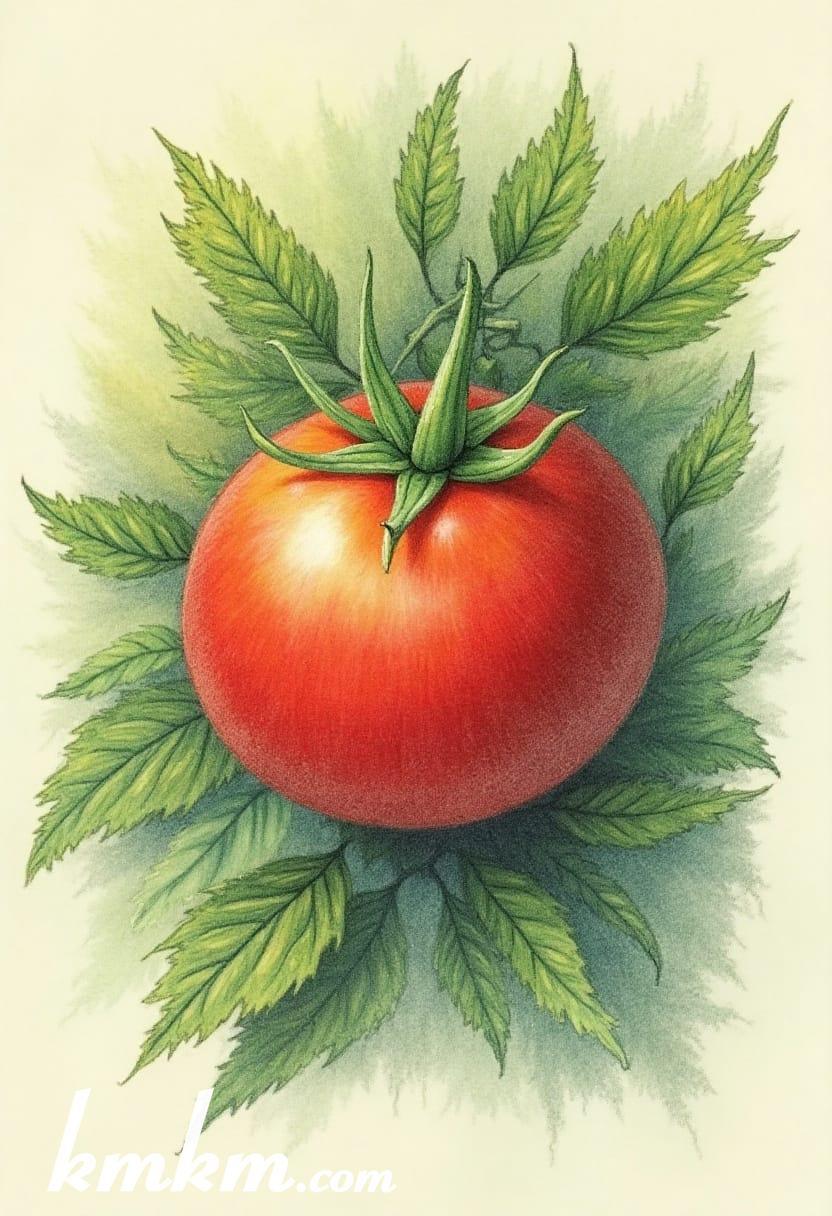
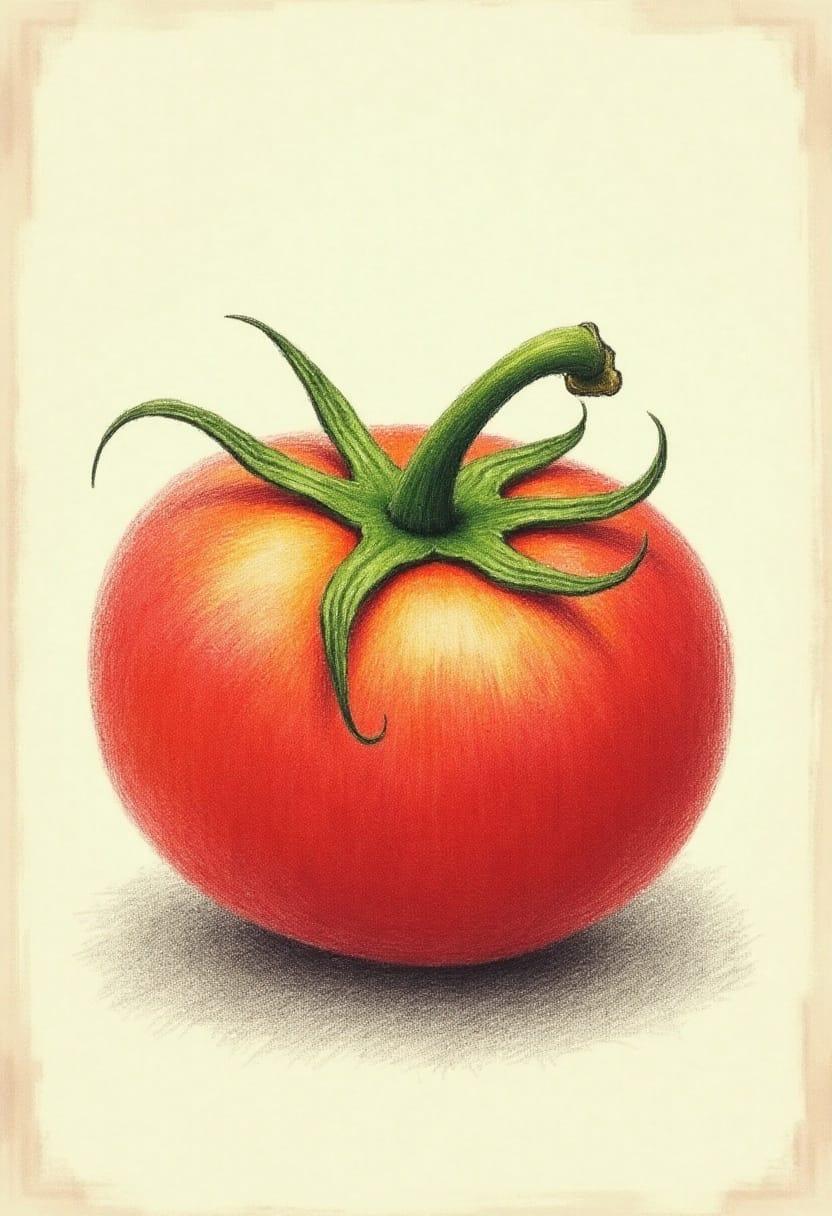
Beefsteak Tomato Heirloom varieties are some of the biggest tomatoes you can grow. Some fruits can weigh over a pound each—perfect for slicing. Their size makes them a favorite for burgers, sandwiches, and summer picnics.

These tomatoes are known for their rich, classic flavor—juicy but not watery. You can spot them by their ribbed, lumpy shape that looks almost like a red pumpkin. They’re meaty inside, with fewer seeds compared to other types.

The term “heirloom” means the seeds have been passed down for generations. Beefsteak Tomato Heirloom plants have been grown and loved for over 100 years. They’re open-pollinated, so you can save seeds from your favorite fruit.

These plants need space—they’re big growers and like to spread out. A sturdy cage or tall stake is a must once they get going. Full sun and well-drained soil are key to happy, productive plants.

They’re indeterminate, which means they keep growing and producing all season. You’ll start seeing ripe tomatoes around 80 to 90 days after planting. With good care, they’ll keep going until the first frost.

Beefsteak Tomato Heirloom types love warm weather and lots of sunshine. Don’t plant them too early—they hate cold soil and chilly nights. Start them indoors 6 to 8 weeks before your last frost for a head start.

These tomatoes are perfect for fresh eating—slice one up and sprinkle on some salt. They also make great tomato salads thanks to their bold flavor and color. Some gardeners even eat them like apples, straight from the vine.

There are red, pink, yellow, orange, and even striped heirloom beefsteaks. Each color has a slightly different flavor, from sweet to tangy. Growing multiple colors makes your garden look like a tomato rainbow.

These tomatoes can grow so heavy that they sometimes bend the vines. Tying the stems gently with soft cloth or tomato tape helps prevent breakage. Keep an eye on them in windy areas—they’re top-heavy and can tip.

You’ll need to prune suckers for better airflow and fruit size. Pruning also helps the plant focus energy on ripening big tomatoes. Too many branches can lead to smaller fruit and more disease risk.

Blossom-end rot is a common issue, usually caused by uneven watering or calcium shortage. Add crushed eggshells or lime to the soil if needed. Consistent watering—especially during hot weather—is a must.

Mulching around the base keeps moisture in and weeds out. It also helps regulate soil temperature on hot summer days. Straw, shredded leaves, or compost make great mulch for tomatoes.

Beefsteak Tomato Heirloom plants can grow over 6 feet tall. They’re a fun challenge for vertical gardening fans. Just make sure your trellis or cage is up to the job!

These tomatoes are stars at farmers markets because of their size and flavor. People love seeing their big, bold shape in a basket. They’re often more expensive, but totally worth the bite.

While they’re not the best for canning, they shine in fresh recipes. Use them in caprese salads, bruschetta, or as a pizza topping. They’re also tasty roasted with garlic and olive oil.

Pollinators like bees help boost tomato yields. Planting flowers nearby makes your garden a pollinator paradise. You’ll get more tomatoes and help the local ecosystem at the same time.
Heirlooms are more vulnerable to certain diseases than hybrids. But proper spacing, pruning, and crop rotation can keep them healthy. Choose disease-resistant varieties if you’ve had issues in the past.

Beefsteak Tomato Heirloom fans say nothing beats their taste in a BLT. That thick, juicy slice makes every bite rich and satisfying. Add a little mayo and toast, and you’ve got summer on a plate.

They’re great for sharing—one tomato can feed a whole group. Neighbors, friends, and family will love getting one fresh from your garden. They also make a great conversation starter at potlucks or cookouts.
Growing Beefsteak Tomato Heirloom varieties takes a little patience, but the reward is huge. Whether you're gardening in a backyard or a balcony pot, they’re worth the space. There’s nothing quite like the taste of a homegrown heirloom beefsteak straight off the vine.