Aunt ruby green tomato
- Fun facts /
- Tomato /
- Tomato varieties /
- Aunt ruby green tomato

The Aunt Ruby Green Tomato is a bright green heirloom with a blush of pink when fully ripe. It was named after Ruby Arnold from Tennessee, who passed the seeds down through her family. Even though it’s green, the flavor is rich, sweet, and a little spicy—perfect for slicing.

These tomatoes are big, often over a pound, with a beefsteak shape and soft, juicy flesh. Aunt Ruby Green Tomato isn’t just for salads—it shines in sandwiches and fresh salsas too. The green color often throws people off, but one bite makes them believers.

It takes about 80 to 85 days from planting to enjoy your first ripe fruit. They grow on indeterminate vines, meaning they’ll keep producing until the frost hits. Strong cages or stakes are a must—these vines grow tall and heavy.

Because of their size, it’s best to support the fruit with slings or soft ties. They thrive in full sun and need well-drained soil to avoid root issues. Adding compost at planting time gives them a great start and better flavor.

The Aunt Ruby Green Tomato often wins taste tests for its bold, fruity notes. You’ll notice a slight pink hue on the bottom when they’re ripe and ready. Don’t refrigerate them—chilling dulls the flavor and messes with the texture.

Starting seeds indoors about 6 to 8 weeks before your last frost gives you a head start. The seedlings love warmth, so a heat mat can really speed up germination. Once they’ve got true leaves, move them to bigger pots so they don’t get root-bound.

Outdoors, space the plants about 24 to 36 inches apart to give them breathing room. They need consistent watering—especially when fruit is forming—to prevent cracking. Mulching helps hold moisture and keeps the soil temperature even.

Aunt Ruby Green Tomato grows best when you pinch off the lower leaves as the plant grows. Tomato cages or a trellis system will help keep the heavy fruits off the ground. Avoid getting the leaves wet when watering to cut down on disease.

These tomatoes are open-pollinated, so you can save seeds from your best fruits. Just ferment the seeds for a few days, rinse, dry, and store them in a cool spot. It’s a great way to keep your garden full year after year.

The flavor profile is so unique that chefs love using it in gourmet dishes. It’s excellent in fried green tomato recipes—crunchy outside, sweet inside. Try it in salsa verde or a tangy chutney for a new twist on green tomatoes.

They grow well in large pots, but make sure there’s at least 5 gallons of soil. Container plants dry out fast, so daily watering might be needed in hot weather. Use a balanced tomato fertilizer every two weeks to keep things growing strong.

Watch out for tomato hornworms—these guys can strip leaves in a single night. Companion plants like basil, marigold, or borage can help keep pests in check. Crop rotation helps prevent soil diseases that linger from one year to the next.

The Aunt Ruby Green Tomato adds a splash of color and surprise to any summer plate. Kids often think they’re unripe, but they quickly change their minds after one bite. They pair well with creamy cheeses, citrus dressings, and even tropical fruits.

When the temps rise too high, fruit set can slow down—shade cloth helps reduce stress. Aunt Ruby Green Tomato is not the easiest to grow, but the payoff is big. They’ve got a thin skin, so handle them gently during harvest to avoid bruises.

Their flavor intensifies with a little bit of heat stress late in the season. If they’re harvested early, they’ll still ripen at room temperature. Use them in tomato pies or tarts—they hold up beautifully when baked.

Aunt Ruby Green Tomato was once a rare seed, but now it’s a favorite at heirloom festivals. The vines can grow 6 feet or taller, so vertical space is a bonus in small gardens. It’s a great pick for tomato tastings—just slice and serve with a sprinkle of salt.
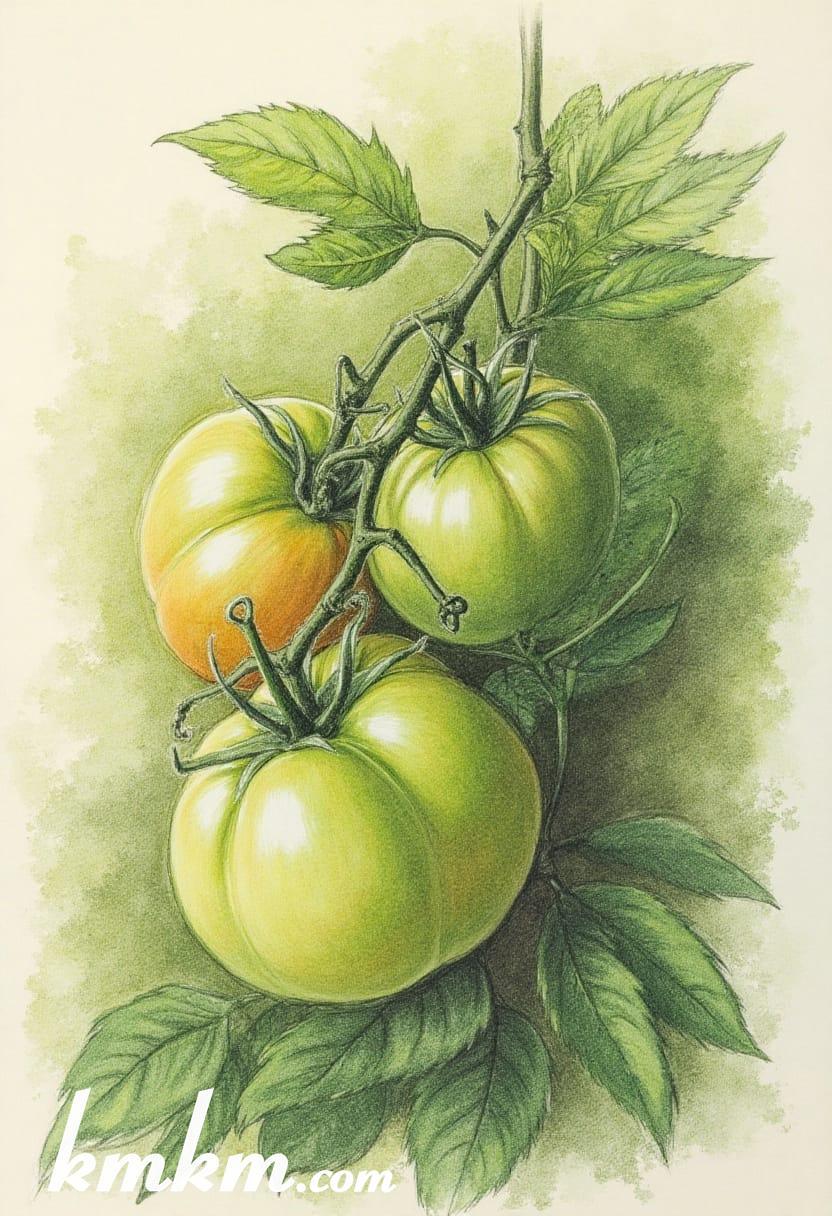
They’re great for fresh eating, but also freeze well when chopped and bagged. Green tomato jam with a hint of ginger is another tasty option. Try grilling slices for a smoky, caramelized side dish.

This tomato's green flesh has a unique marbled look when sliced—almost like artwork. Some fruits may have ribbed shoulders or irregular shapes, but flavor stays consistent. In blind taste tests, it often outshines red and yellow varieties.
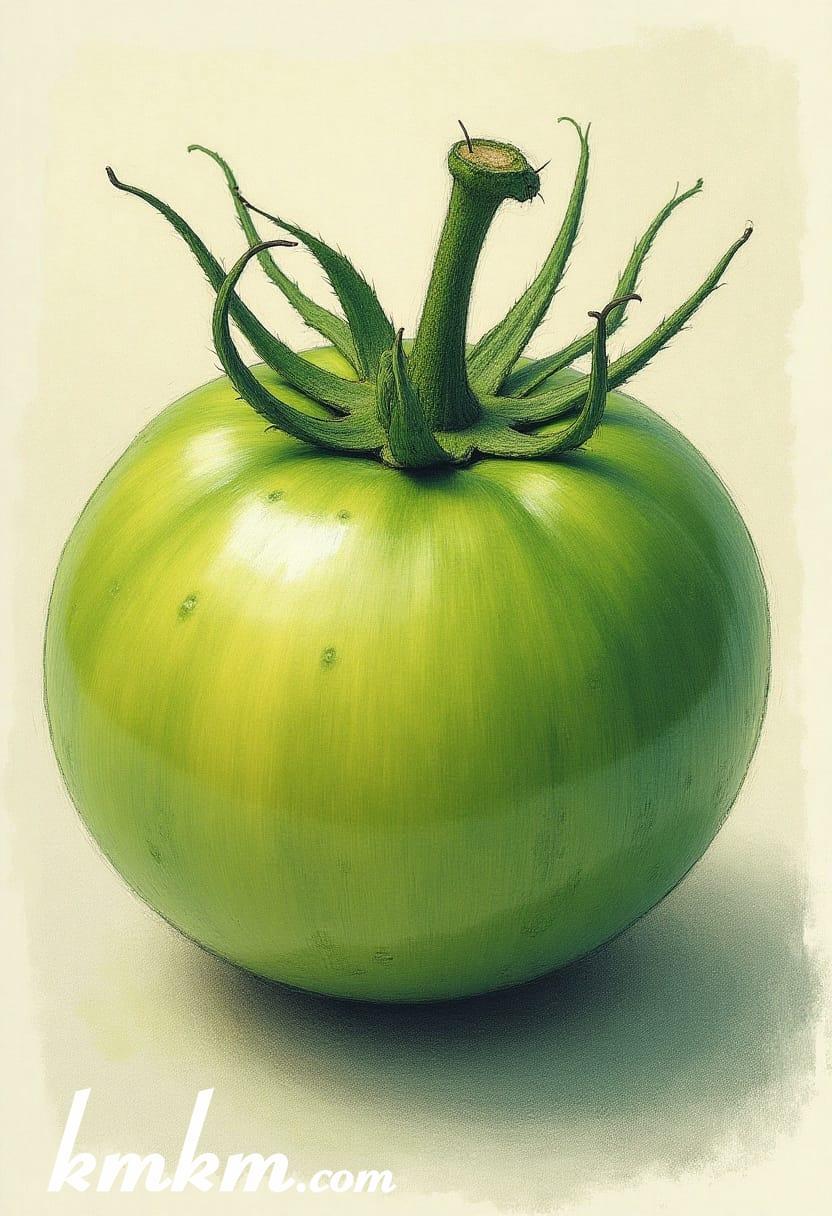
Pruning suckers (the side shoots) can help channel the plant’s energy into fruit. You might get fewer fruits per plant, but the quality and size will improve. Let one or two fruits fully ripen on the vine to boost seed-saving success.
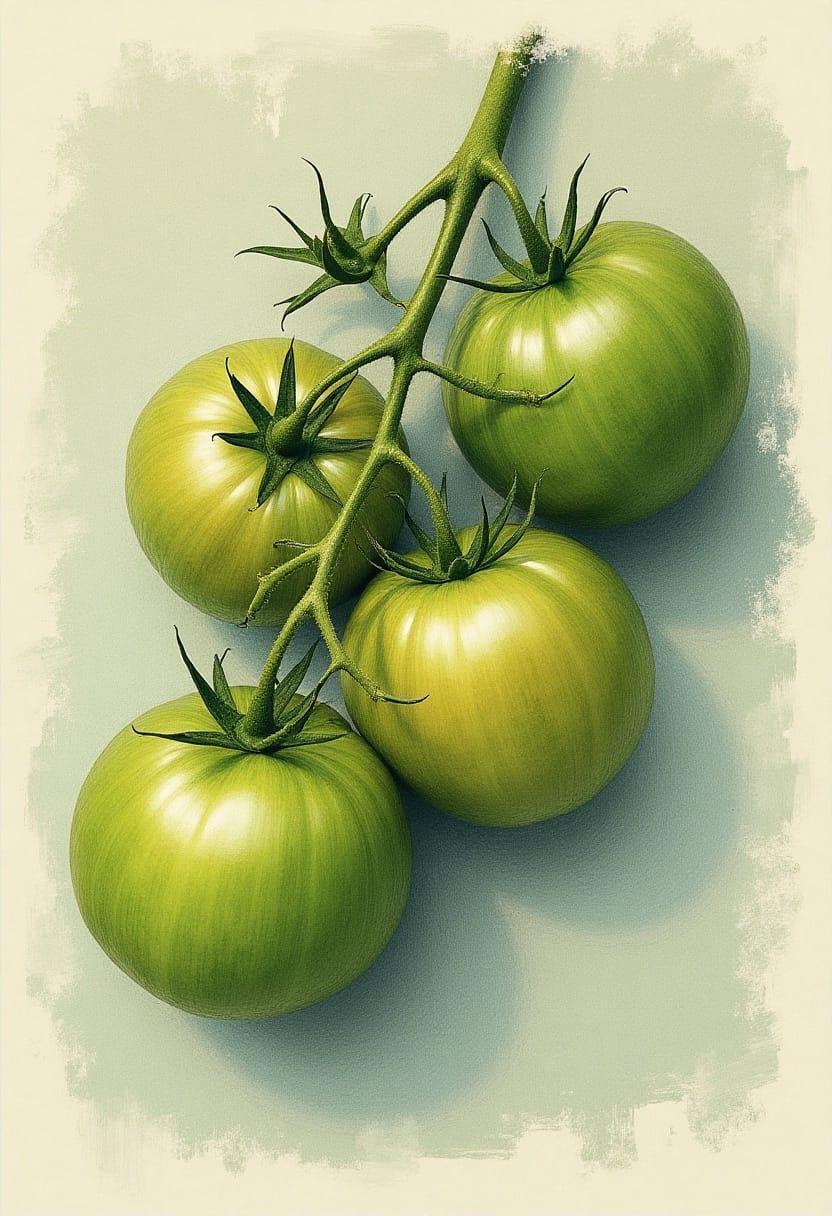
The Aunt Ruby Green Tomato grows well in USDA zones 3 through 11. It brings a splash of old-time gardening to modern backyards. For flavor, charm, and conversation, it’s one tomato that never gets boring.