Best tomato plants to grow
- Fun facts /
- Tomato /
- Tomato varieties /
- Best tomato plants to grow

Tomatoes love sunlight - aim for at least 6-8 hours of direct sun for the best growth. Cherry tomatoes are popular for beginners because they’re easy to grow and produce lots of fruit. Heirloom varieties offer amazing flavors but might need a bit more care than hybrids.

Determinate tomato plants grow to a set size and produce fruit all at once - great for canning. Indeterminate types keep growing and producing fruit until frost, perfect for fresh eating. The best tomato plants to grow usually depend on your climate and garden space.

Celebrity tomatoes are a reliable hybrid known for disease resistance and good yields. Plant tomatoes in well-drained soil rich in organic matter for healthy roots and tasty fruit. Using mulch helps keep soil moist and prevents weeds from stealing nutrients.

Tomato plants are heavy feeders - regular fertilizing can boost both growth and flavor. Brandywine tomatoes are loved for their huge, flavorful fruit, though they take longer to mature. Supporting your tomato plants with cages or stakes keeps fruit off the ground and reduces rot.

Roma tomatoes are great for sauces because they have fewer seeds and thicker flesh. Water tomatoes deeply but less frequently to encourage strong roots and avoid cracking. Pruning suckers (small shoots between stem and branch) can help indeterminate tomatoes focus energy on fruit.

Early Girl tomatoes are quick growers and produce tasty fruit early in the season. Growing tomatoes in containers works well if you have limited garden space. Rotate tomato planting spots yearly to prevent soil diseases from building up.

Tomato plants need consistent watering - fluctuations can cause fruit to split or develop blossom end rot. The best tomato plants to grow often include disease-resistant varieties like Better Boy or Big Beef. Check tomato leaves regularly for pests like aphids or hornworms to catch problems early.

Heirloom tomatoes come in many shapes and colors, adding fun variety to your garden. Use tomato-specific fertilizer with extra calcium to prevent common issues like blossom end rot. Mulching with straw or leaves helps regulate soil temperature during hot summer days.

Sungold cherry tomatoes are super sweet and produce fruit all season long. Tomatoes grown in raised beds often have better drainage and stronger plants. Plant tomatoes after the last frost date to avoid cold damage to seedlings.

The best tomato plants to grow combine good flavor, disease resistance, and productivity. Don’t overcrowd your plants - give them enough space for air circulation to reduce disease risk. Harvest tomatoes when they’re fully colored and slightly soft to the touch for best taste.

Some gardeners swear by companion planting tomatoes with basil to improve flavor and repel pests. Sun Gold tomatoes can keep producing for months if you keep harvesting regularly. Avoid planting tomatoes near potatoes to reduce the chance of shared diseases.

Pruning indeterminate tomatoes encourages bigger fruits but fewer of them. Tomatoes grown in full sun develop more sugars and better flavor than those in the shade. Frost can kill tomato plants, so protect them with covers if a cold snap is forecasted.

Tomato plants can be started indoors 6-8 weeks before the last frost for an early harvest. Cherry tomatoes like Sweet Million can produce hundreds of bite-sized fruits on one plant. Best tomato plants to grow also means choosing types that fit your cooking style - slicing, sauce, or snacking.

Tomato leaves smell strong - some say this helps keep bugs away naturally. Tomato plants like warm nights - cold temperatures slow growth and affect fruit development. Rotate where you plant tomatoes every year to avoid nutrient depletion in the soil.

Brandywine tomatoes are a favorite among gardeners for their sweet, complex flavor. Watering in the morning reduces disease risk by allowing leaves to dry during the day. Planting in raised beds or containers helps manage soil quality and drainage better.

Tomato plants have deep roots, so a deep container or well-prepared soil is key. Vine-ripened tomatoes taste sweeter than those picked green and ripened indoors. The best tomato plants to grow often have names like “Early Girl”, “Roma,” or “Big Beef” for a reason.

Heirloom tomatoes come with unique shapes and colors that make your garden look beautiful. Using organic compost improves soil health and provides nutrients naturally to tomato plants. Supporting plants with cages makes harvesting easier and prevents fruit from touching the soil.
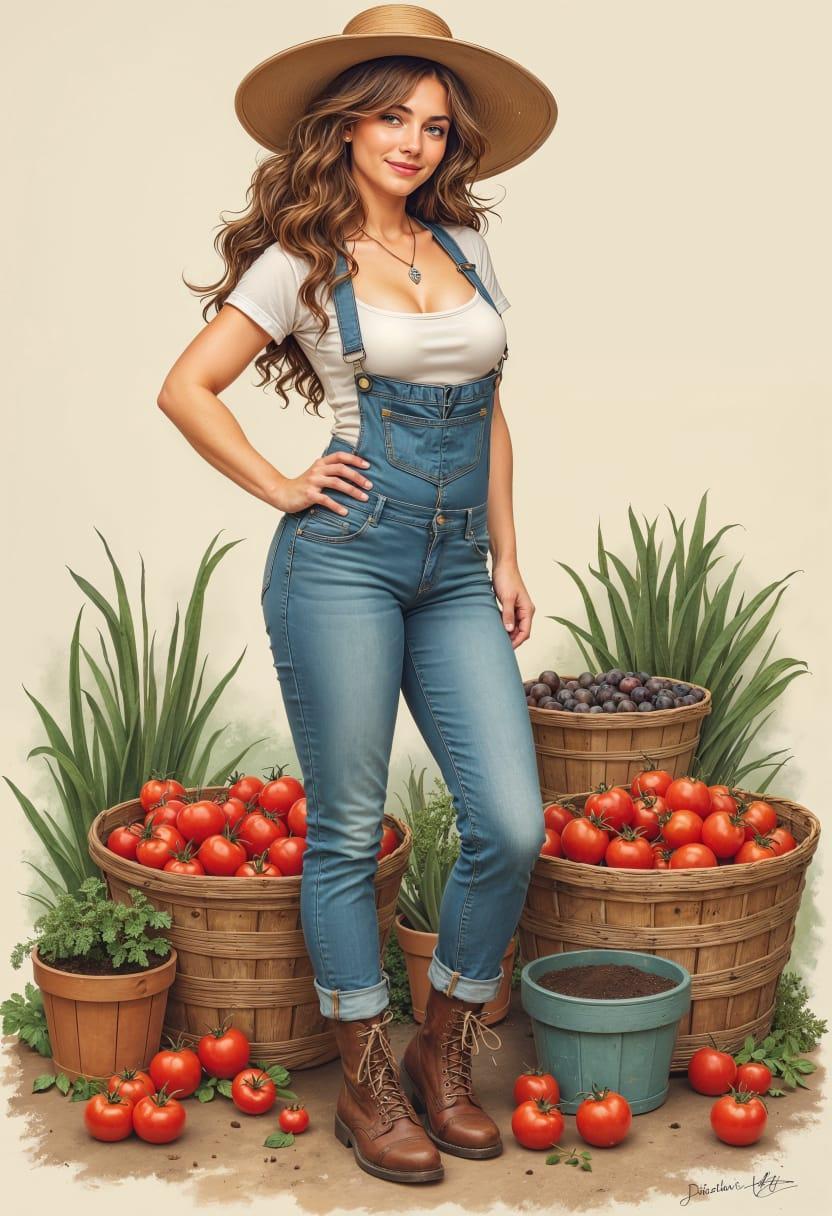
Tomatoes need about 1-2 inches of water per week - more during hot, dry spells. Growing tomatoes vertically saves space and reduces risk of disease by improving airflow. Some varieties, like Green Zebra, add a fun twist with tangy flavor and stripes.

Tomato plants respond well to a pinch of Epsom salt added to soil to boost magnesium. Harvest cherry tomatoes regularly to encourage more fruit production. Tomato blossoms need bees for pollination - plant flowers nearby to invite pollinators.

Best tomato plants to grow balance flavor, yield, and resistance to common pests and diseases. Whether you want salad slices or sauce tomatoes, the right variety makes all the difference. Healthy soil, regular care, and a little patience lead to a bumper tomato harvest every season.