Best tomato plants
- Fun facts /
- Tomato /
- Tomato varieties /
- Best tomato plants

Tomatoes are sun lovers - plant them where they’ll get at least 6 to 8 hours of sunlight a day. The deeper you plant a tomato seedling, the stronger its root system becomes. Tomato plants actually grow roots from their buried stems - more roots mean better nutrient uptake.
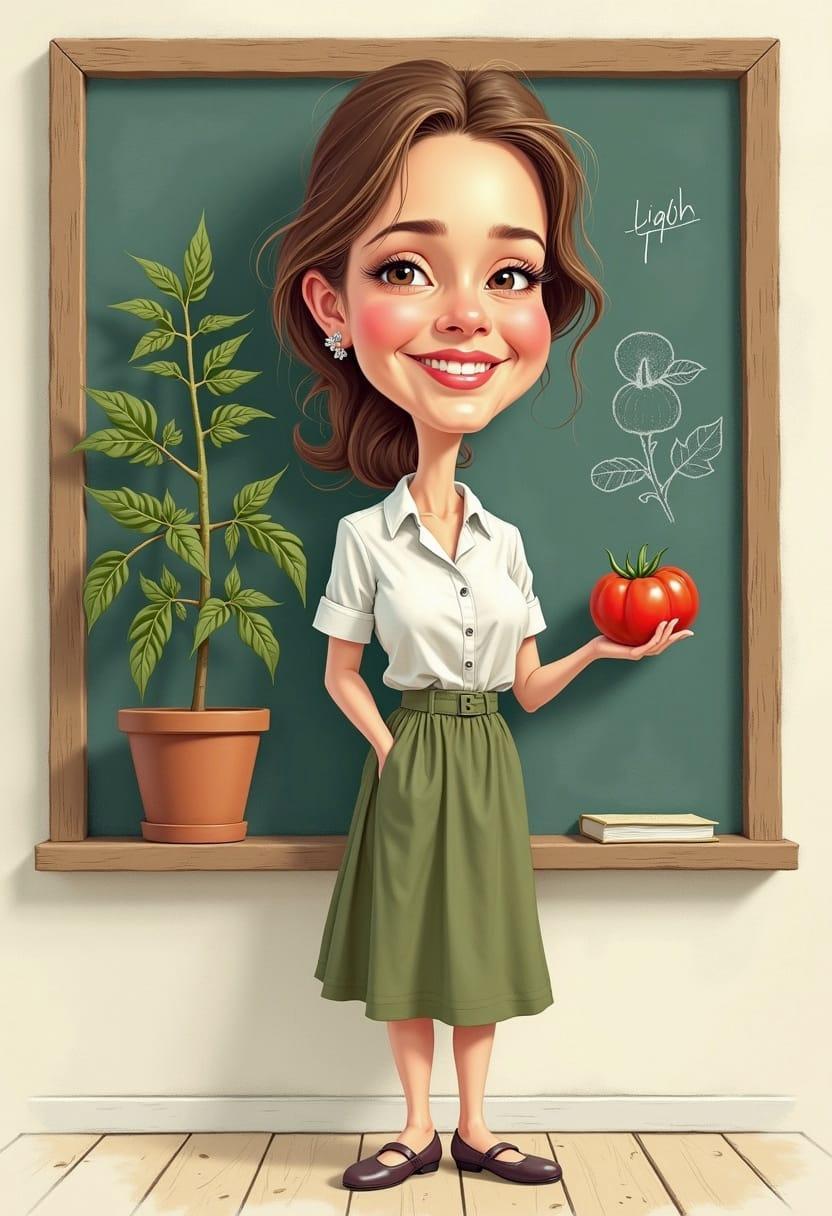
Crushed eggshells sprinkled around the base of the plant can help prevent blossom-end rot. The Best Tomato Plants thrive in soil that’s rich, loose, and full of organic matter. Adding mulch helps keep the soil moist and blocks weeds that compete for nutrients.

Tomatoes come in two types: determinate (bush) and indeterminate (vining). Indeterminate types produce fruit all season long - great for sandwiches and snacking. Determinate types tend to ripen all at once - perfect for canning and sauces.

Consistent watering prevents tomatoes from cracking and splitting. The Best Tomato Plants are usually pruned to keep airflow strong and diseases away. Give your plants space to breathe - crowding leads to fungus and stunted fruit.

Tomatoes love warmth, but too much heat can actually reduce flower production. A little stress, like slightly underwatering, can concentrate sugars and boost flavor. Use a tomato cage or trellis to support your plants and keep fruit off the ground.

Blossom drop can happen if nights are too cold or too hot - ideal temps are 65–85°F. Companion planting with basil or marigolds can improve tomato health naturally. Tomatoes grown in containers still do well if they have enough space and nutrients.

The best way to pick a tomato? Gently twist - it should pop right off the vine. Tomato leaves are sensitive - watering at the base helps avoid disease. Rotate crops each season to keep soil healthy and pests guessing.
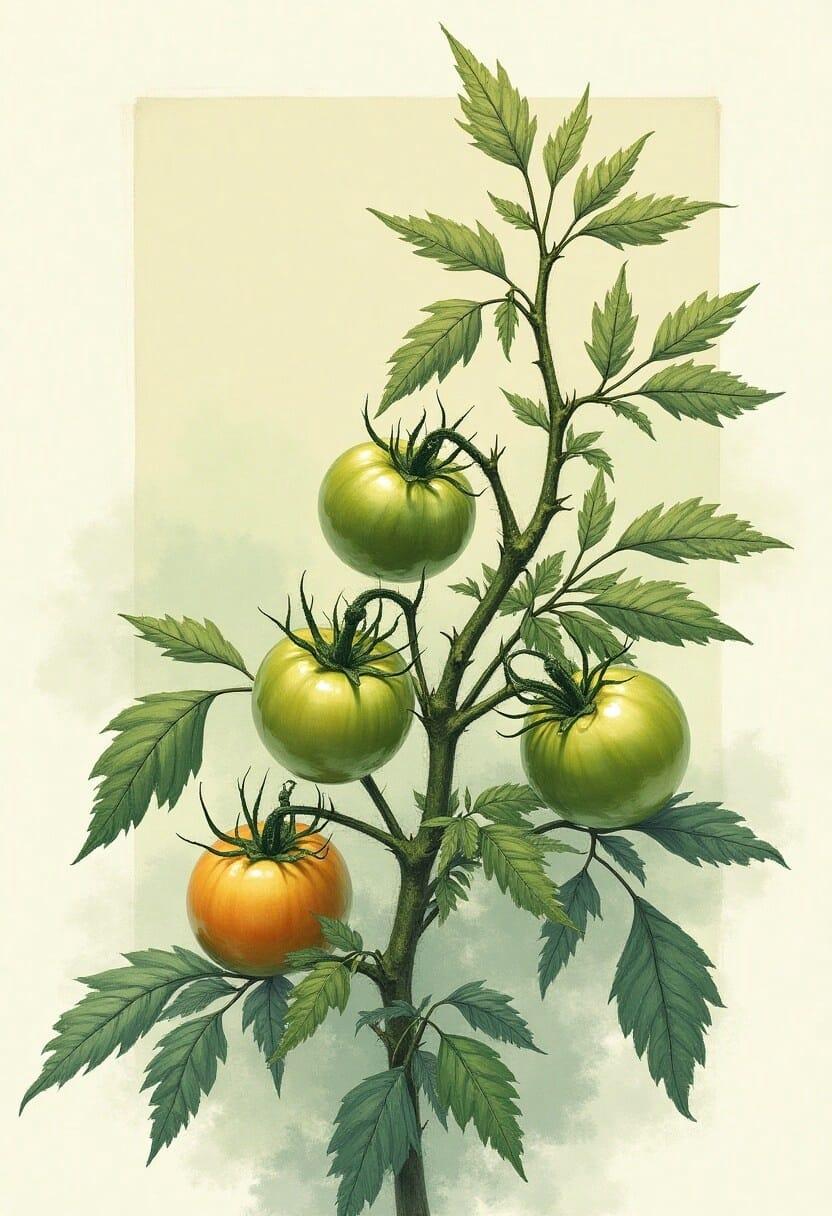
The Best Tomato Plants often have fuzzy stems and vibrant green leaves. Yellowing bottom leaves may mean it’s time to feed your plant. Fish emulsion or compost tea gives tomato roots a natural nutrient boost.
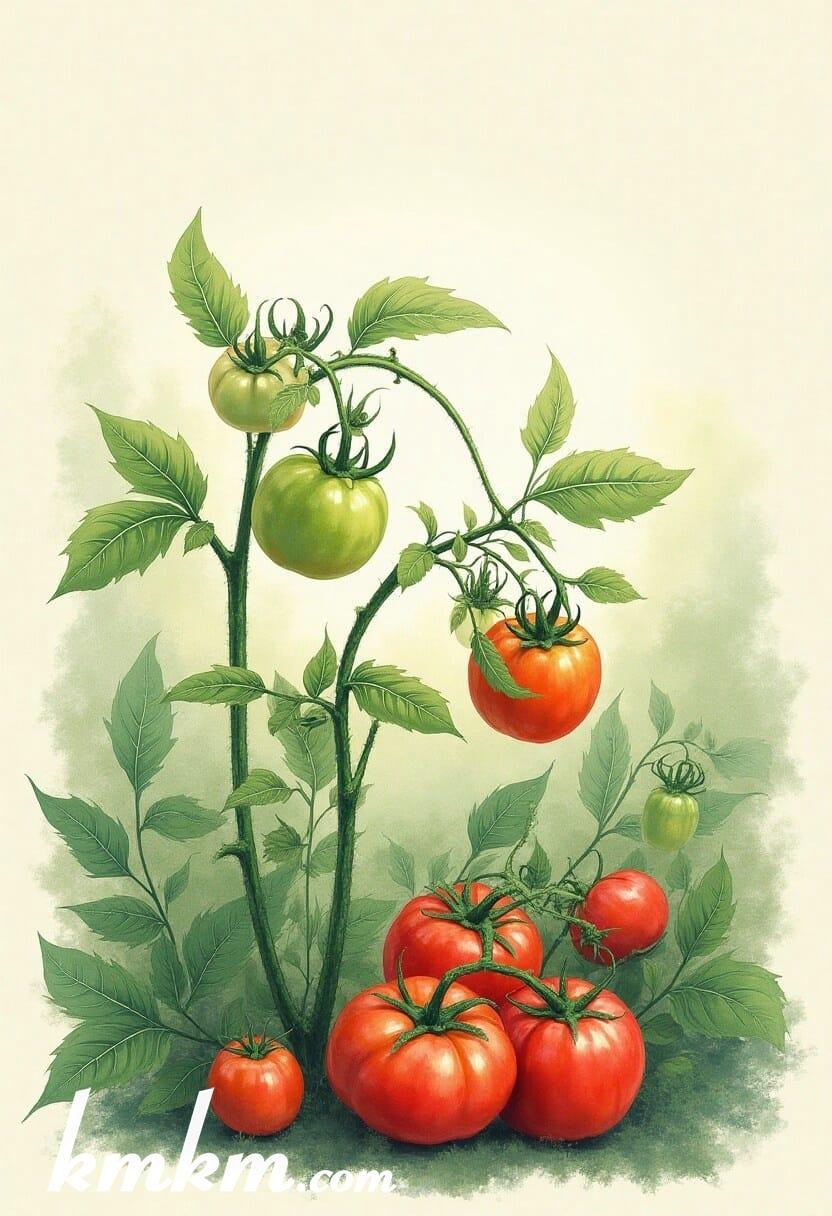
Tomatoes don’t like wet feet - make sure the pot or bed drains well. Some of the tastiest tomatoes are funky-shaped heirlooms with wild colors. Avoid using too much fertilizer early on - it can delay flowers and fruit.

Keep tomato seedlings inside until nighttime temps stay above 50°F. Pollinators like bees and breeze help tomato flowers turn into fruit. You can hand-pollinate with a soft brush if needed - just a gentle tap does the trick.

Sunscald looks like pale spots on tomatoes - shade cloth can help during heat waves. Tomato hornworms can munch through leaves fast - pick them off by hand. Companion herbs like thyme or borage help repel pests naturally.

The Best Tomato Plants reward regular care - check for bugs and prune weekly. Too much rain? Raise your beds to keep roots happy and healthy. Some tomato vines can grow over 10 feet long - staking is not optional!

Adding banana peels to the soil gives your plants potassium for flower power. Use newspaper or straw mulch to keep moisture in and prevent splashing. Tomato skins thicken in hot weather - so taste may change with the seasons.

Aphids love new tomato growth - blasting them off with water usually works. Flavor and texture improve when tomatoes ripen on the vine. A little seaweed extract gives plants trace minerals that boost resilience.

Heirlooms like Brandywine and Cherokee Purple are legends for a reason - flavor first! Cherry tomatoes are fast growers and great for beginners. Hybrid varieties are bred for disease resistance and steady harvests.

The Best Tomato Plants often come from locally adapted seeds that know your climate. Always label your seedlings - early on, they all look the same! Foliar feeding (spraying leaves) gives a quick nutrient fix in mid-season.

Tomatoes love a slightly acidic soil - pH between 6.0 and 6.8 is just right. Adding worm castings boosts beneficial microbes in the soil. Pruning suckers (small shoots at the joint) directs energy to fruit, not foliage.

Leaf curling may be heat stress or overwatering - watch for other symptoms. Don’t be afraid to pinch off flowers early to let the plant establish strong roots. The first fruit of the season may not be the best - but the next ones are usually tastier.

Tomatoes won’t turn red if the temps are too hot - shade can actually help. Some varieties stay green even when ripe - don’t judge by color alone. Your nose knows: if a tomato smells amazing, it’s ready to eat.

Add a scoop of compost when transplanting for a strong start. Taste-test different types to find what grows and tastes best in your garden. The Best Tomato Plants are grown with sunlight, patience, and a whole lot of love.