French Woman Traditional Dress Figure Drawing
- cute simple drawing /
- drawing of figure /
- French Woman Traditional Dress Figure Drawing
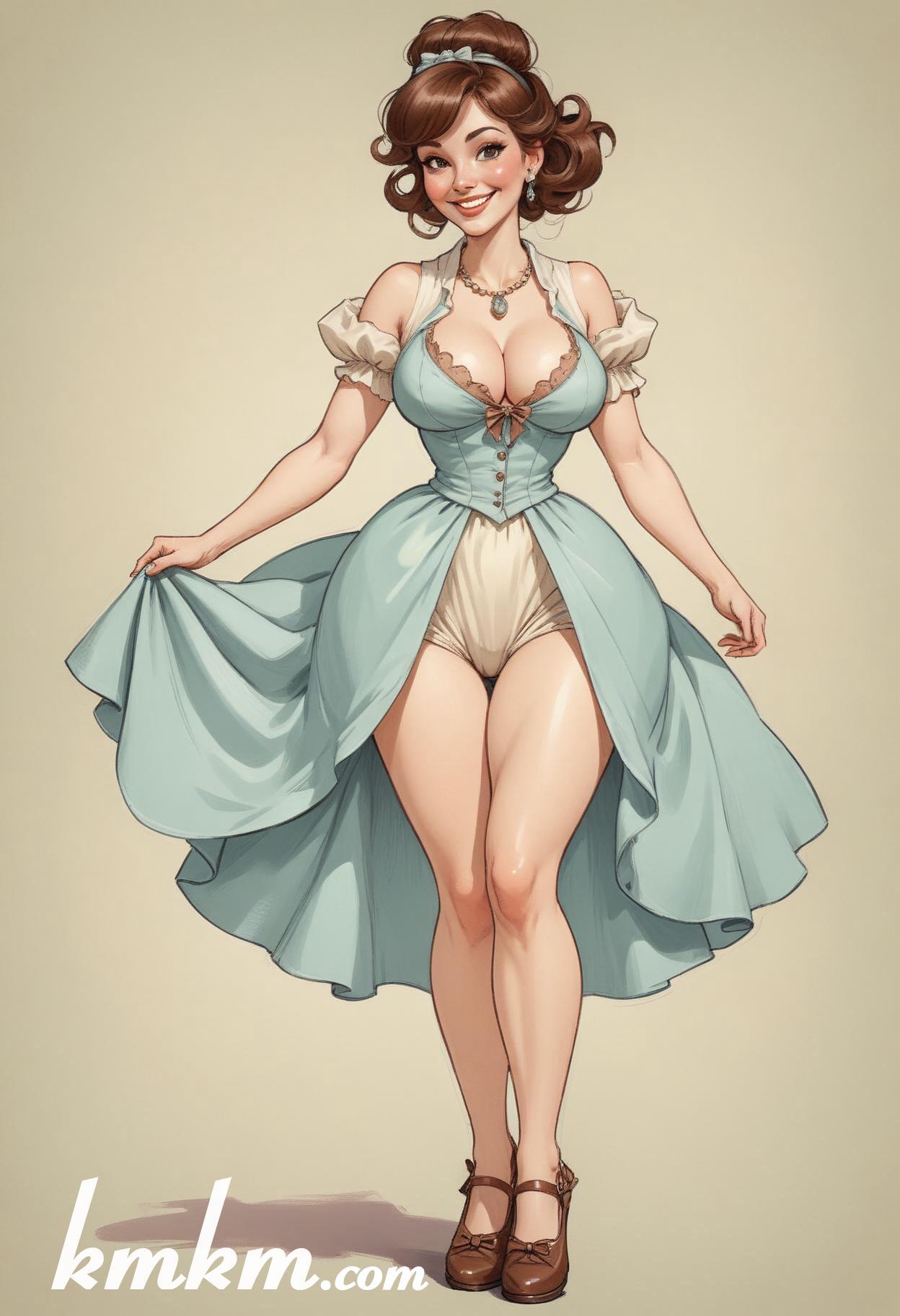
French Woman Traditional Dress Figure Drawing often showcases the elegance and timeless beauty of French culture, capturing intricate clothing details through delicate lines.
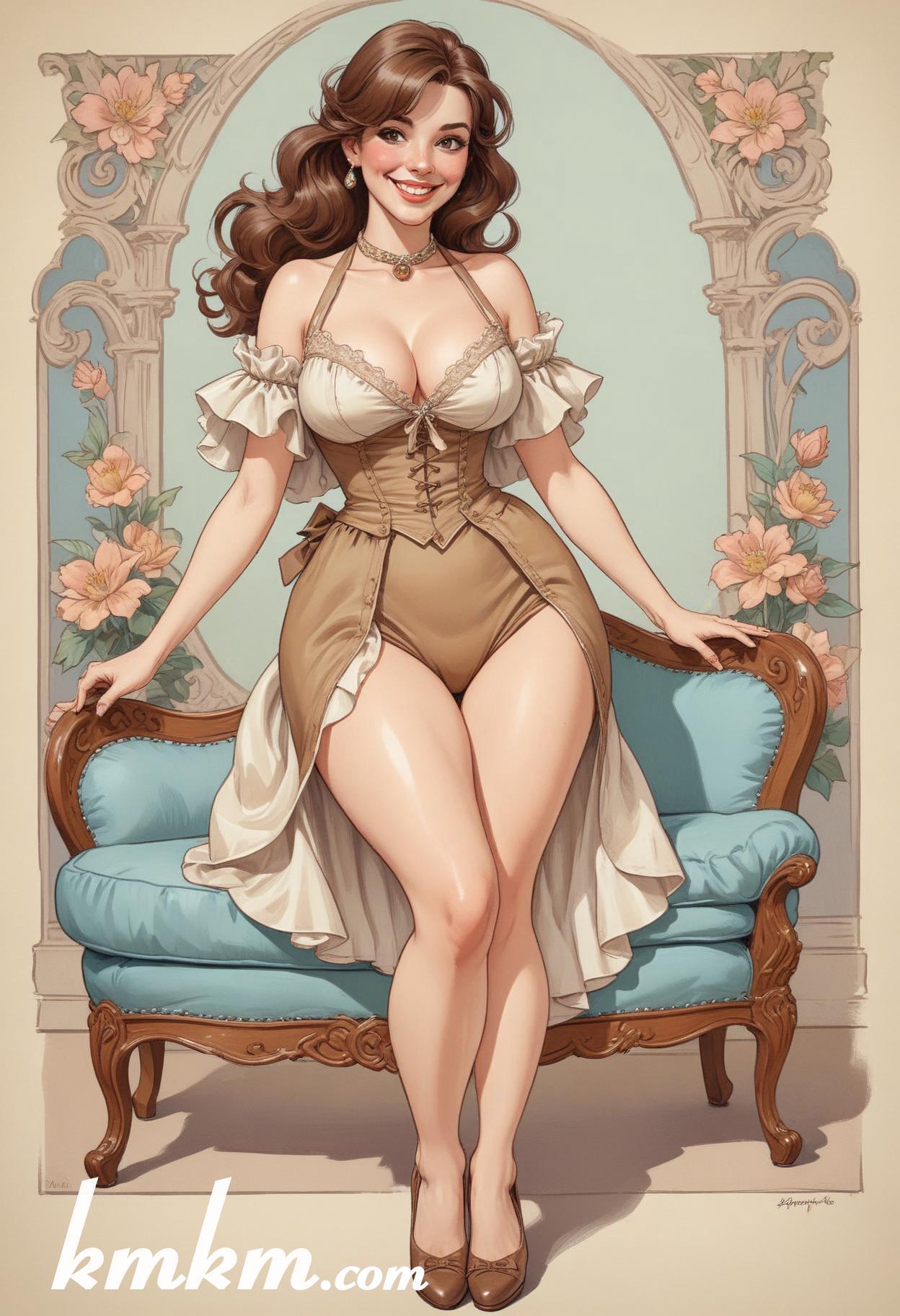
This style of drawing emphasizes the layered textures of traditional French fabrics, such as lace, silk, and wool, often used in classic dresses.

Artists enjoy focusing on the rich history behind each garment, with many French Woman Traditional Dress Figure Drawings featuring 18th and 19th-century fashion styles.
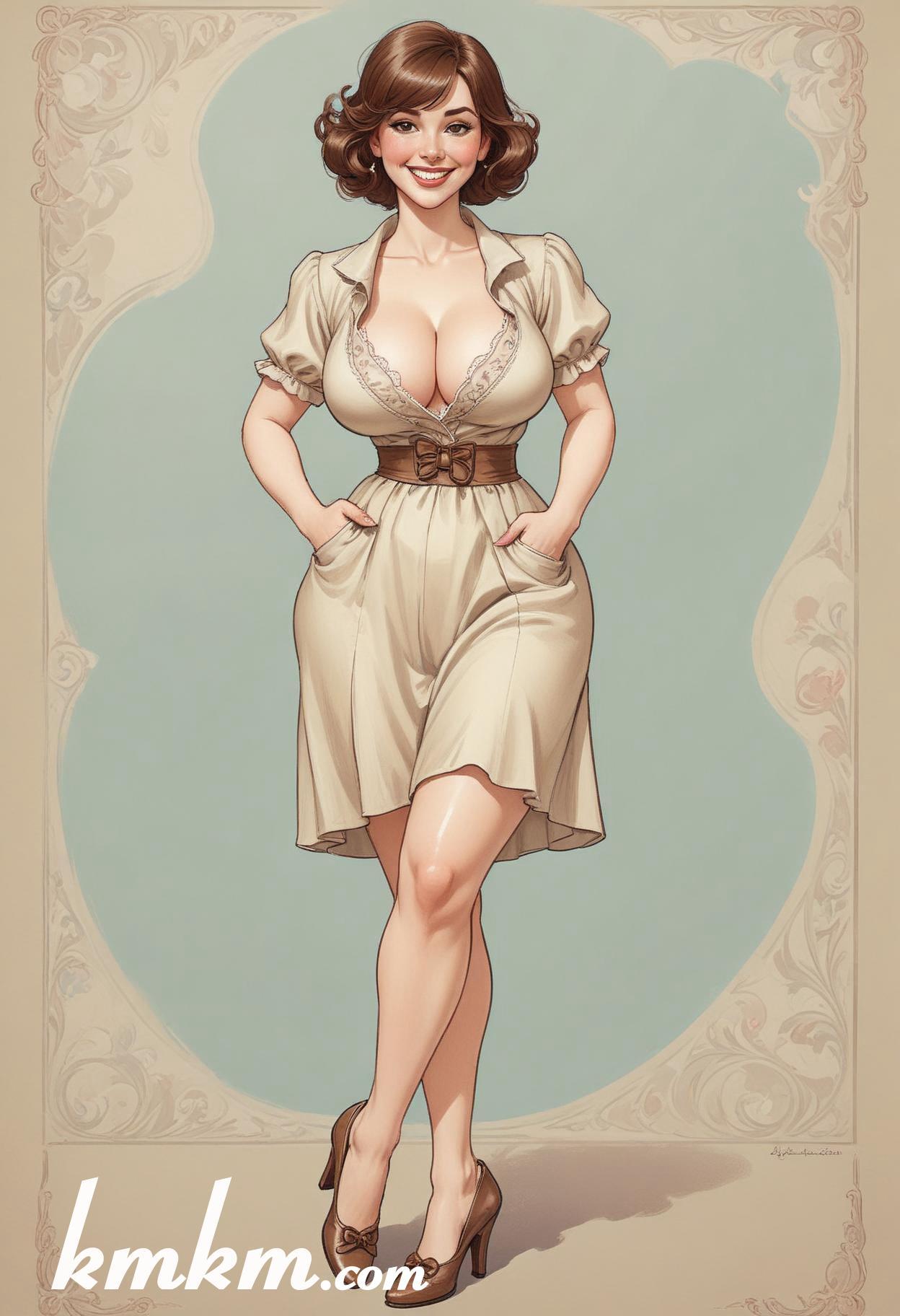
Corsets, bonnets, and flowing skirts are common features in these illustrations, allowing the artist to explore how these elements shape a woman’s silhouette.
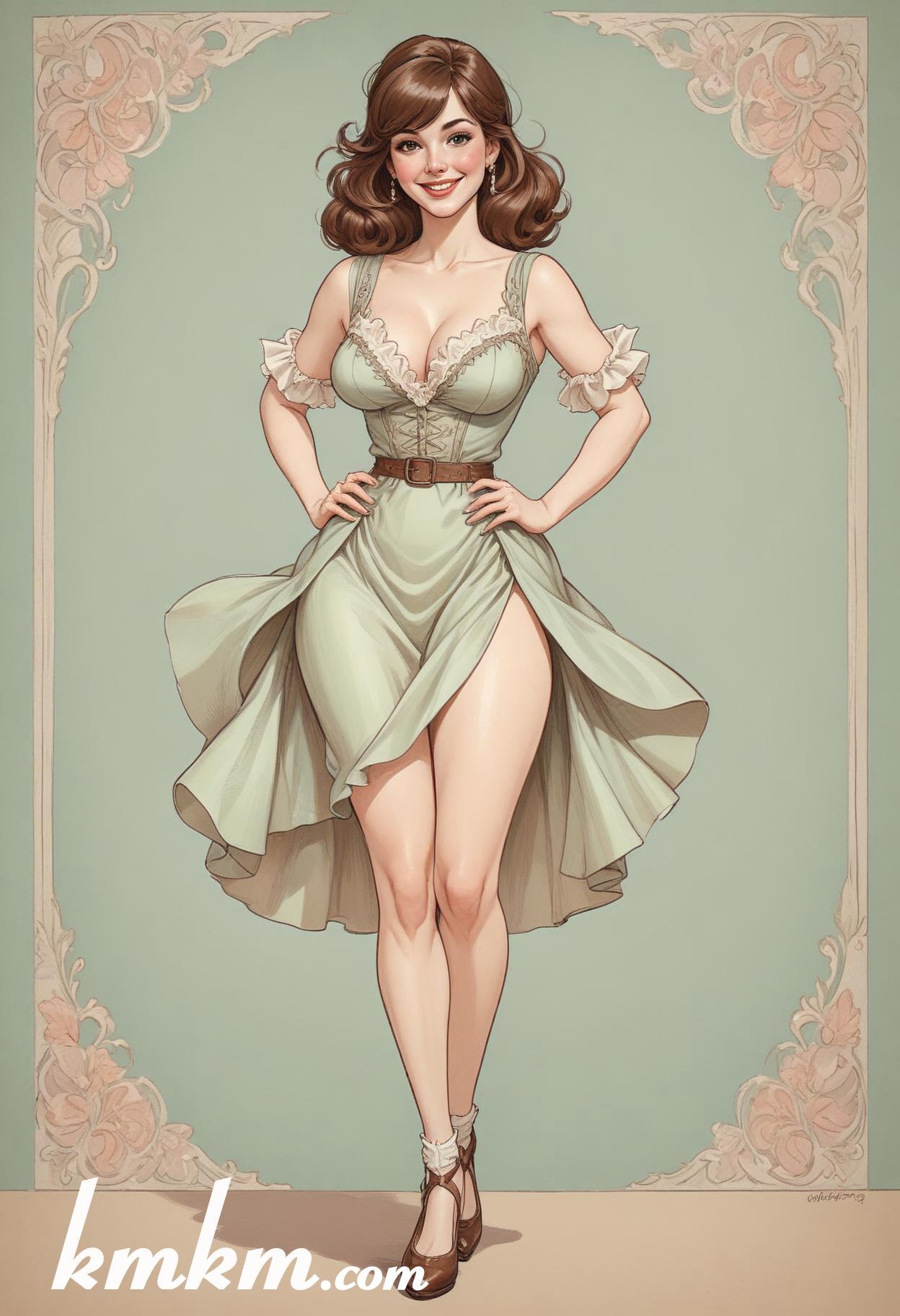
In these figure drawings, the traditional dress not only serves as clothing but also as a symbol of France’s cultural heritage, particularly from regions like Brittany and Provence.
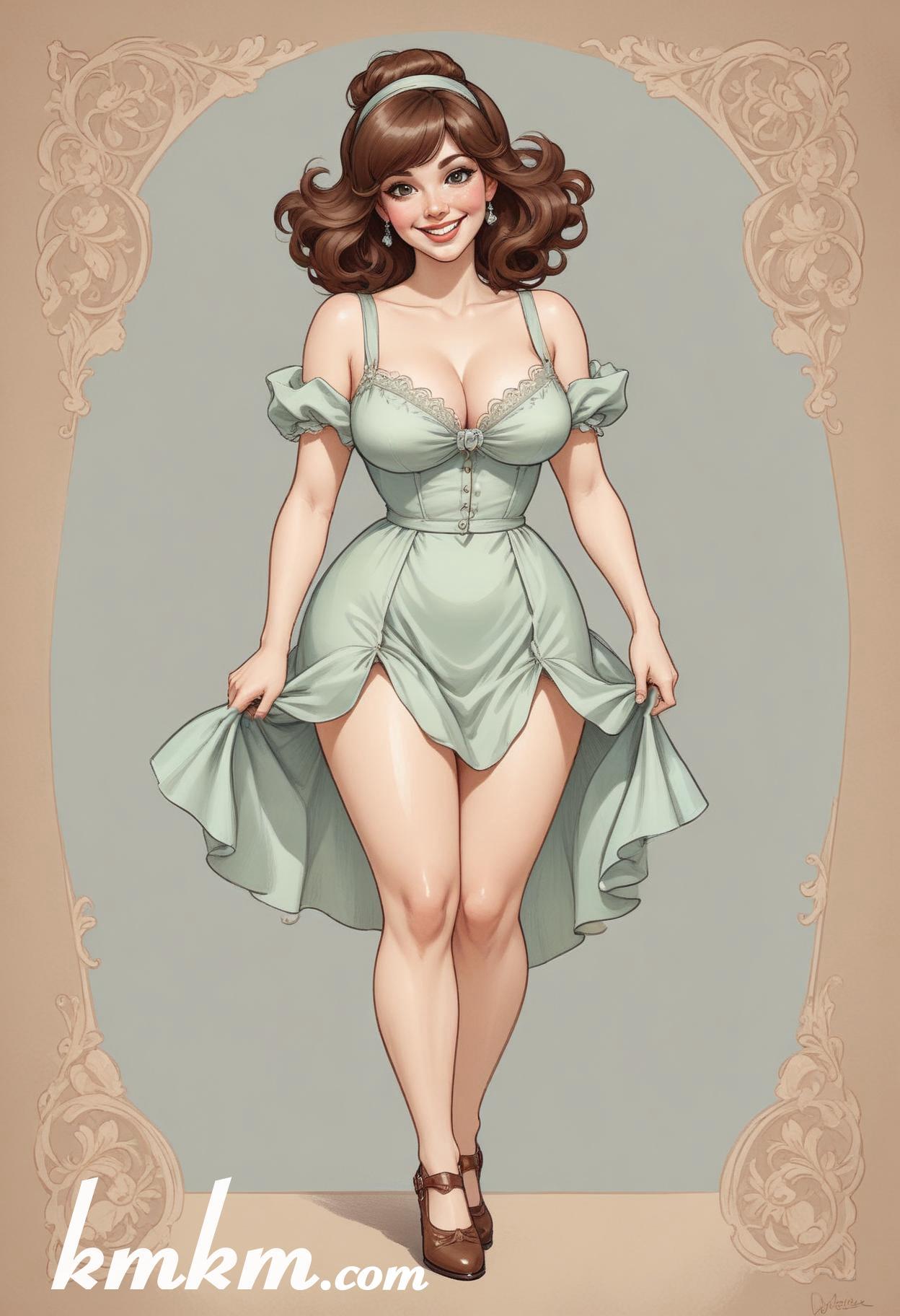
The use of shading in French Woman Traditional Dress Figure Drawing helps bring out the depth and texture of the fabrics, making the figures appear more lifelike.
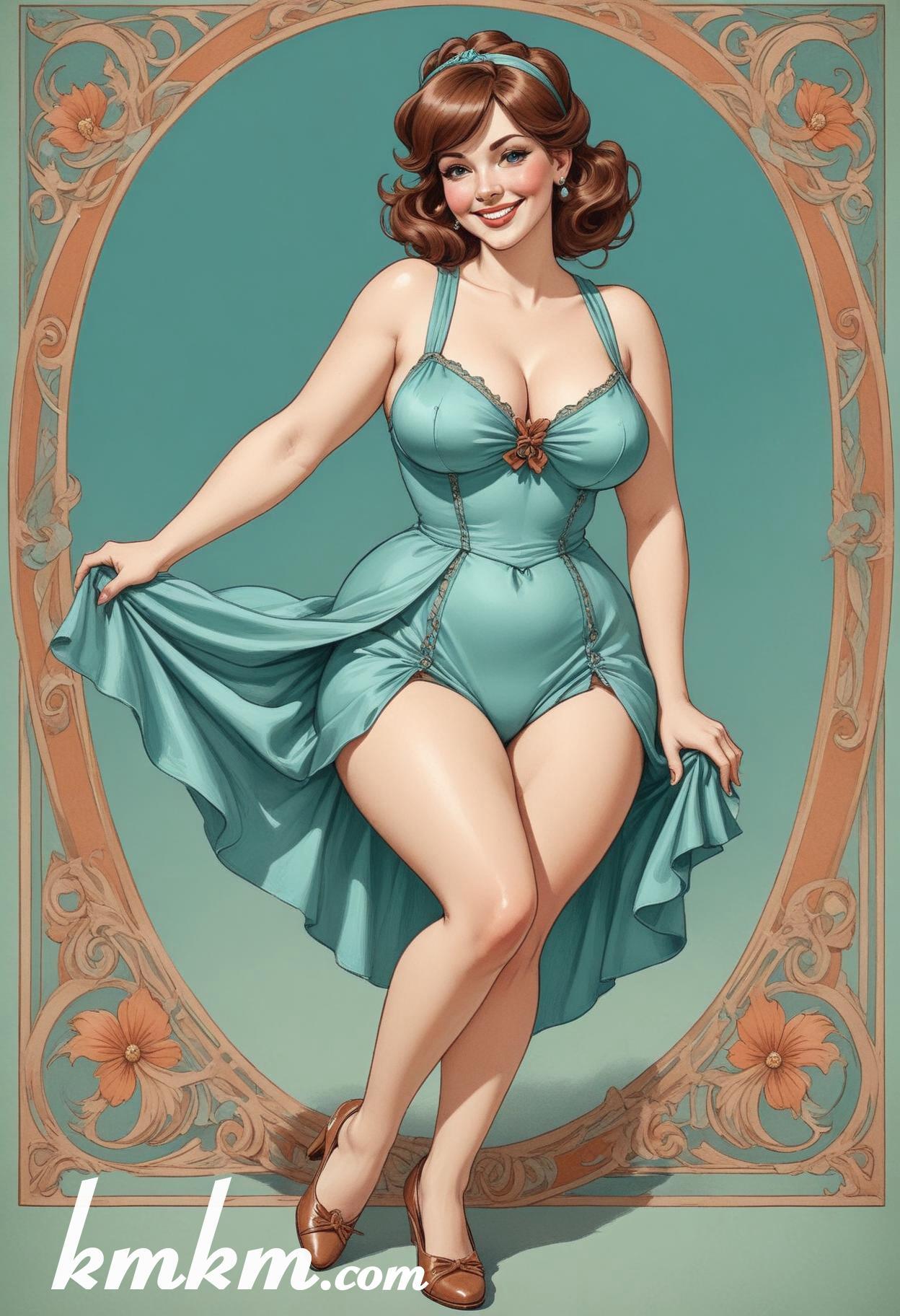
The ornate details, like embroidery and ribbon work, are often highlighted by the artist’s careful attention to small, delicate lines.
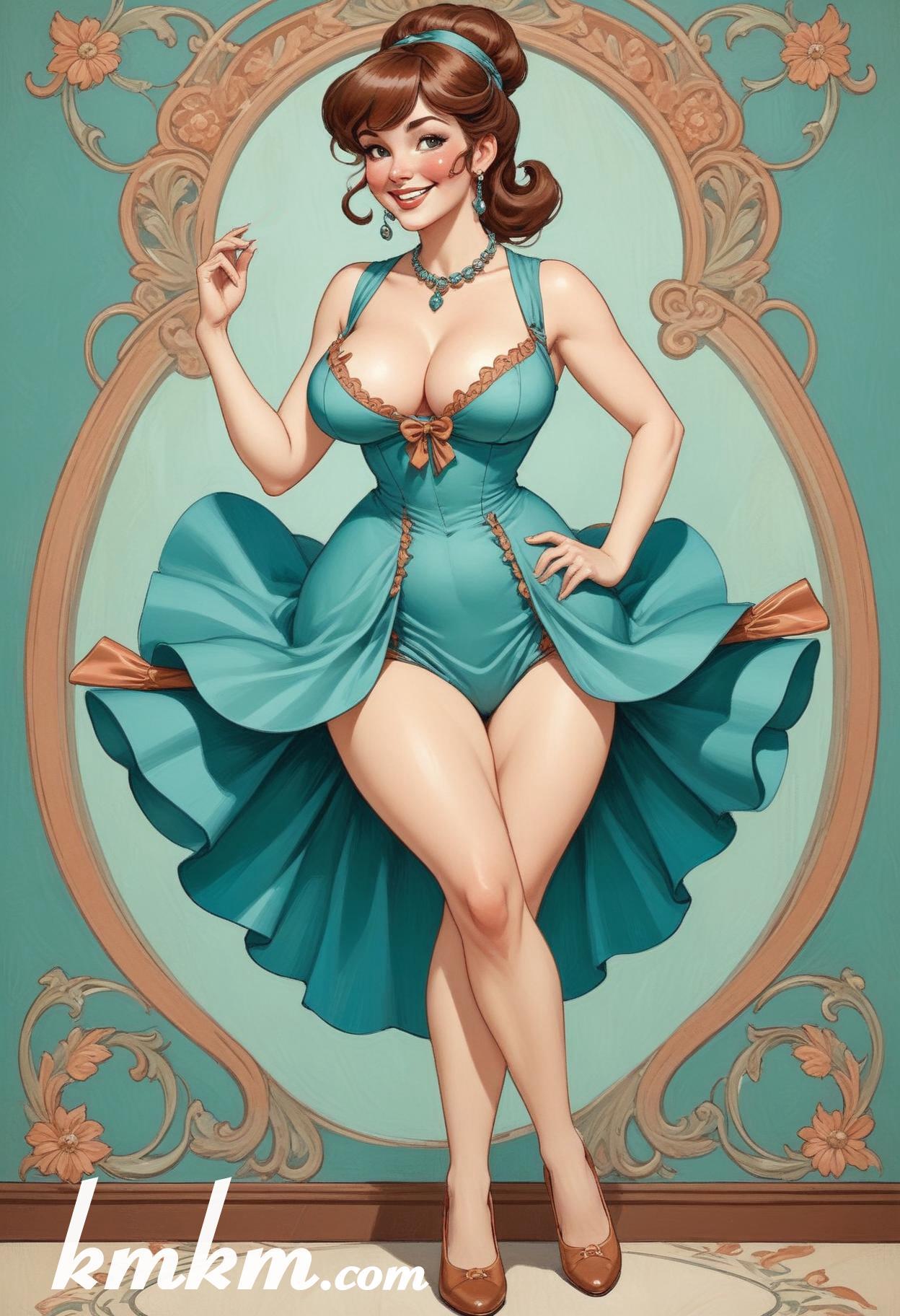
French traditional dresses often include distinctive regional designs, such as the striped skirts of Normandy or the flower patterns of Alsace, which add variety to figure drawings.
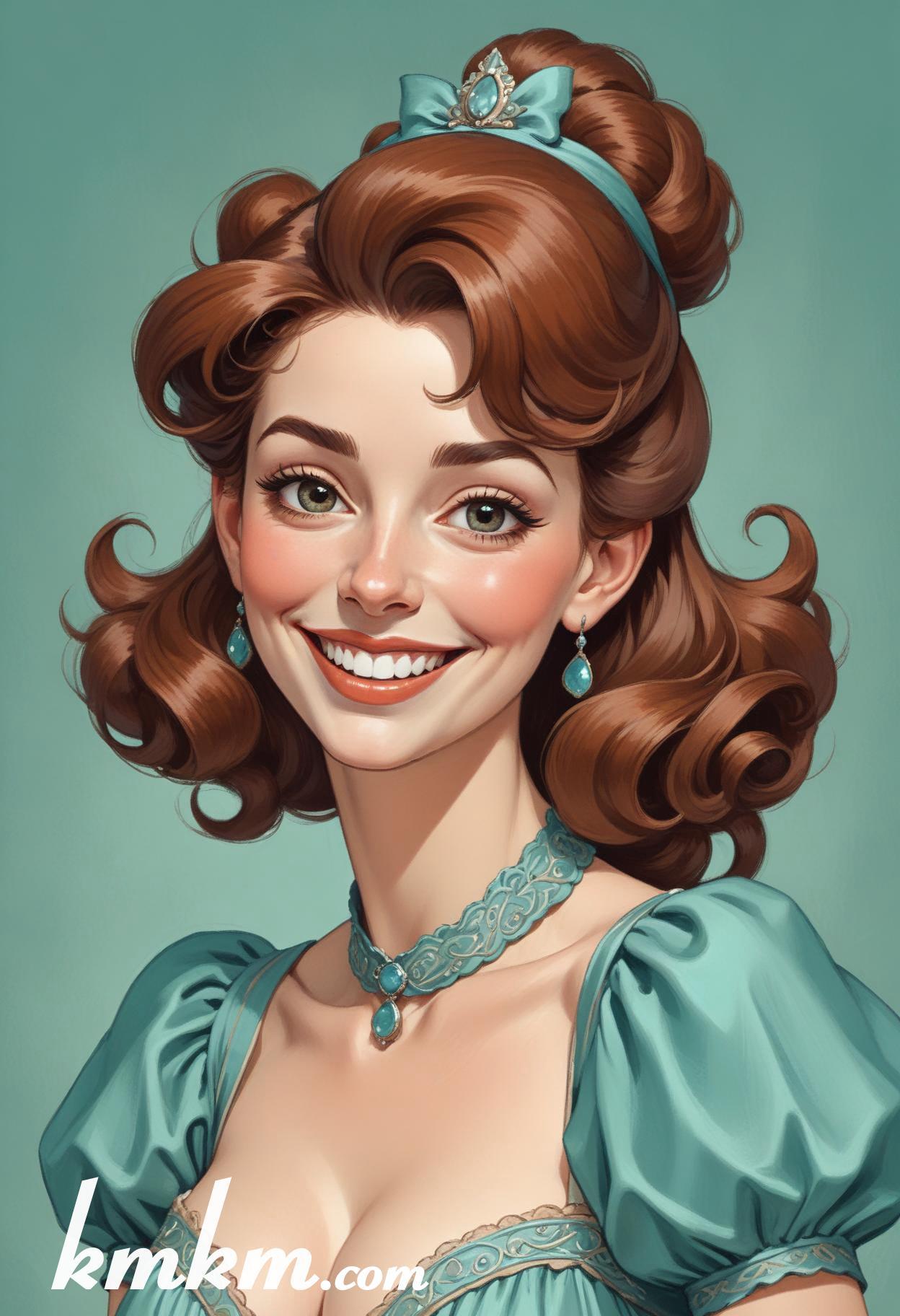
Many artists incorporate the surrounding French countryside or urban streetscapes as backgrounds in these drawings, creating a full cultural context for the figure.
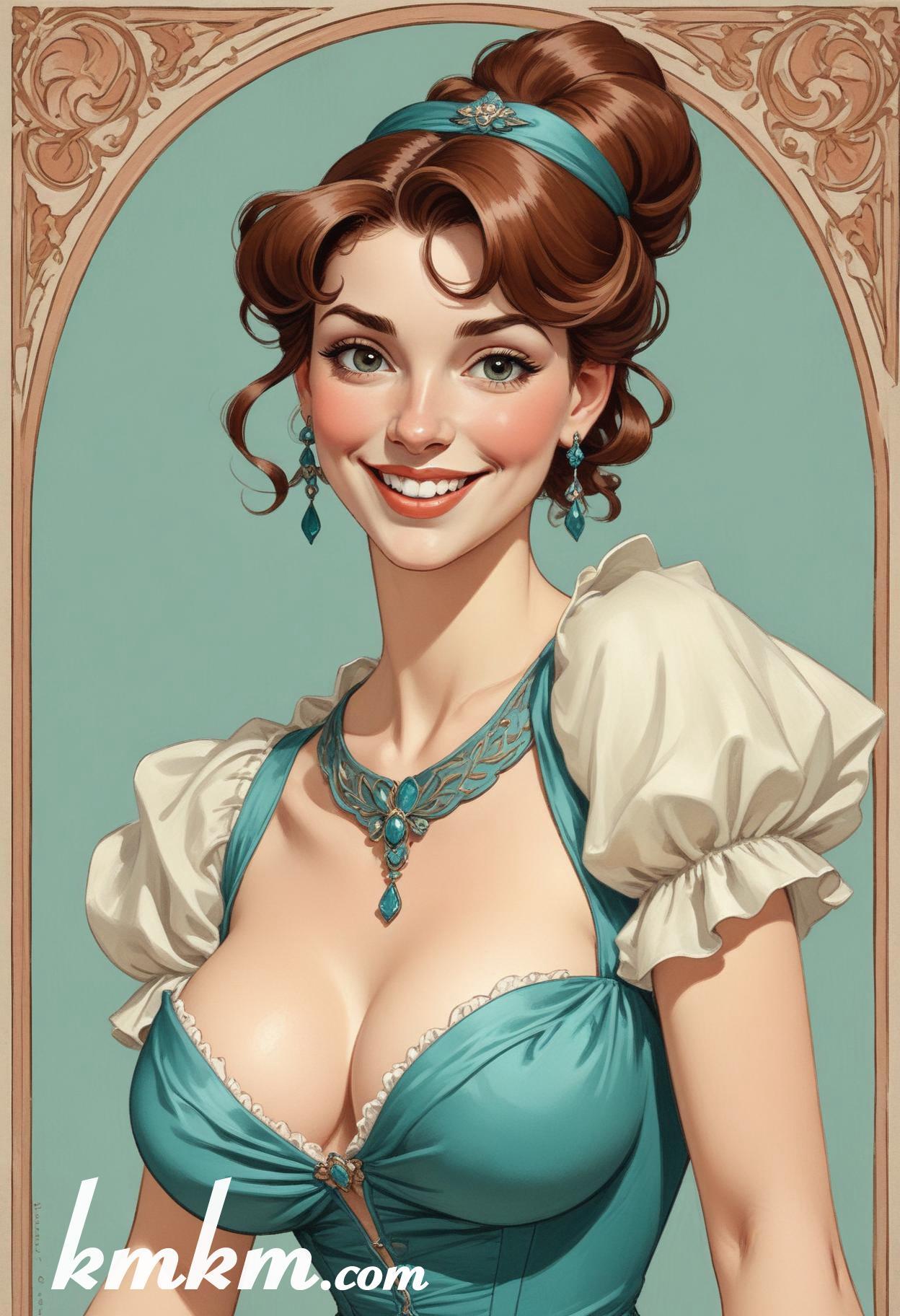
French Woman Traditional Dress Figure Drawing often portrays women in formal poses, as was typical of portrait styles from historical periods, showcasing the regal nature of the attire.
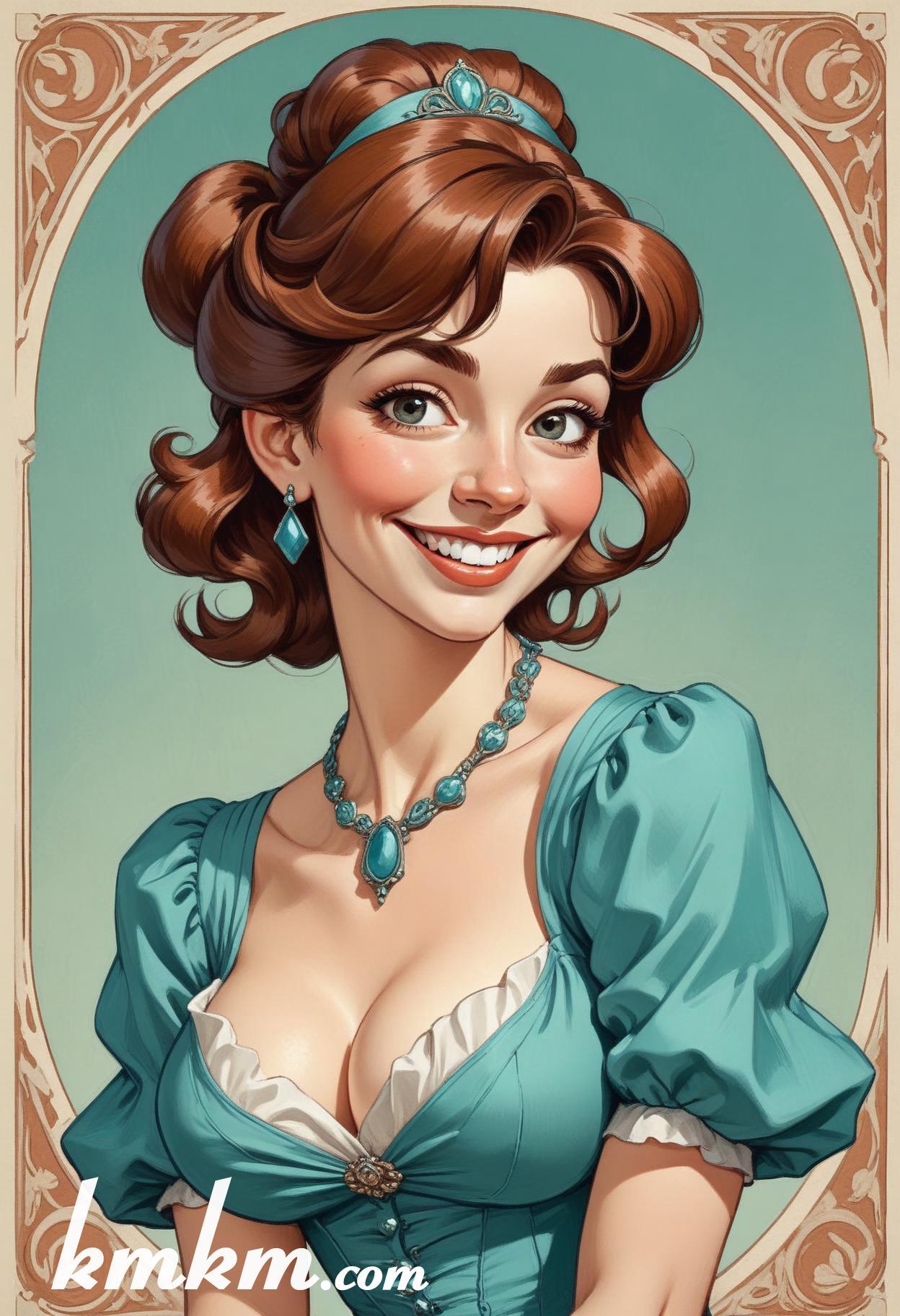
The style is also a great way to explore different aspects of French femininity, from the soft draping of a gown to the structured lines of a corset.
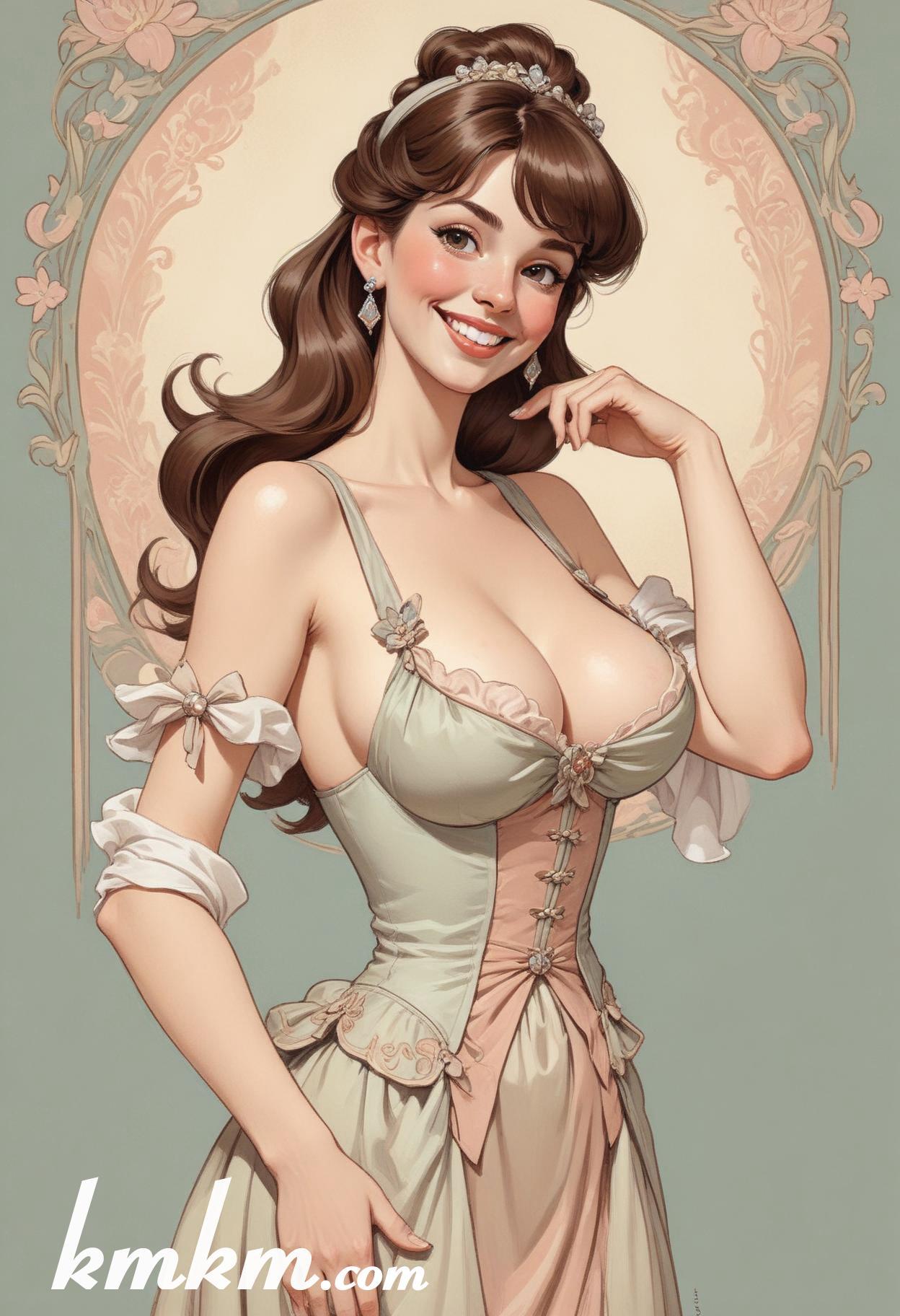
A lot of French Woman Traditional Dress Figure Drawings focus on headdresses, like the Breton coiffe, which can be a central element of the overall look.
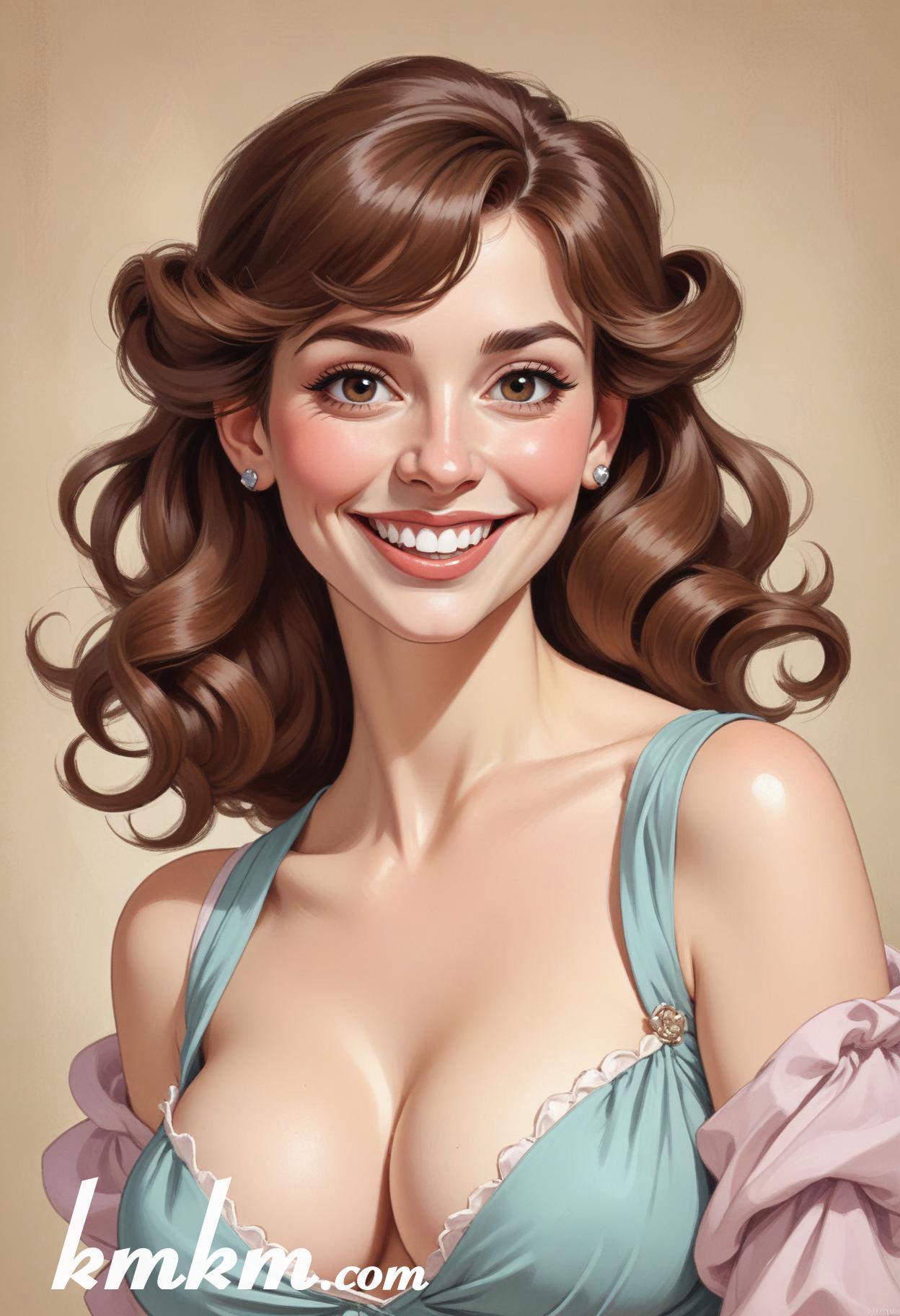
Some of the most iconic French traditional dresses featured in these drawings were worn during festivals or special events, such as weddings or national holidays.
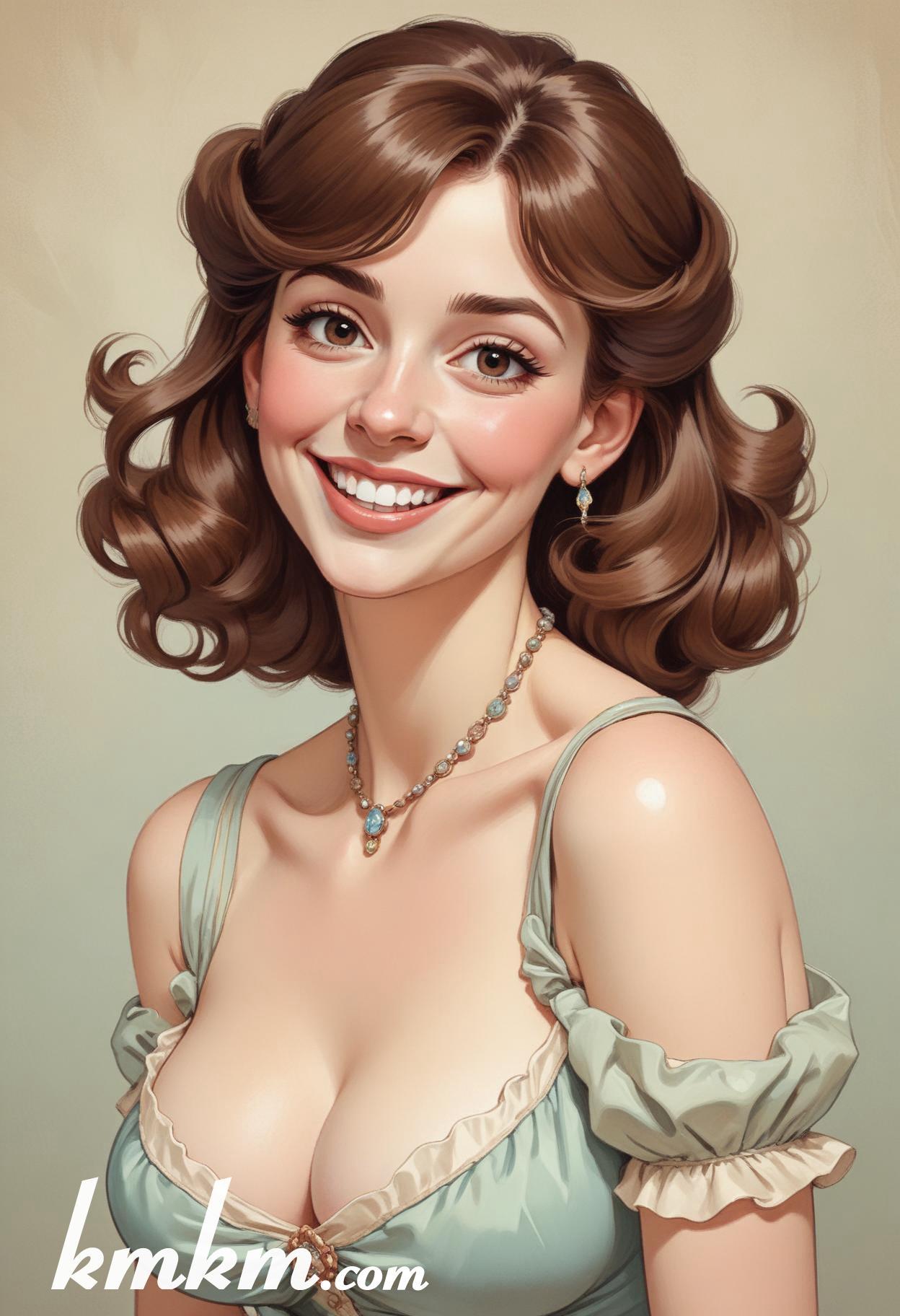
Figure drawing in this context allows the artist to explore movement, as traditional dresses often feature flowing fabrics that shift and sway with the figure.
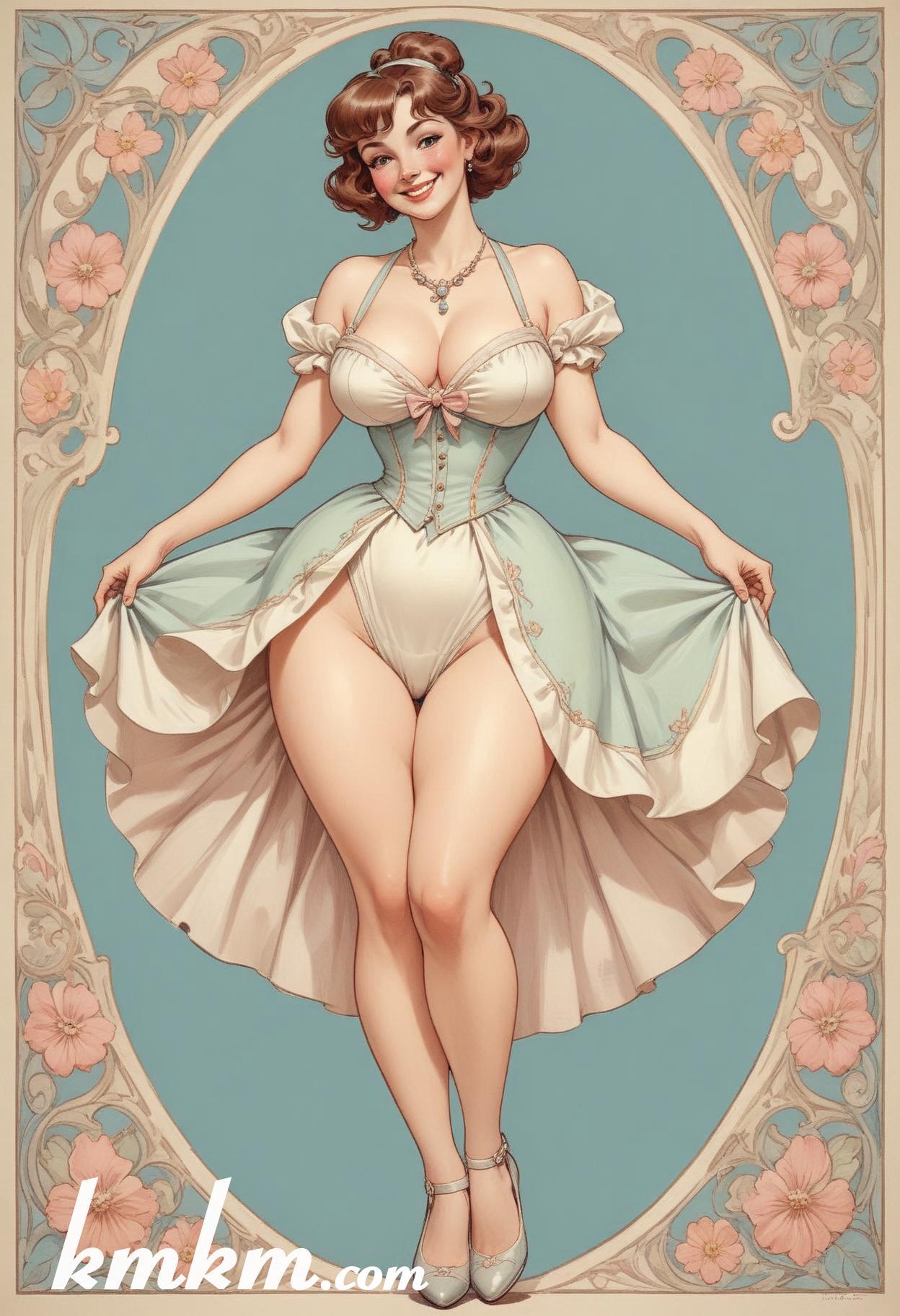
The historical context of these dresses adds another layer of interest, often prompting viewers to think about the time period or social class the dress represents.
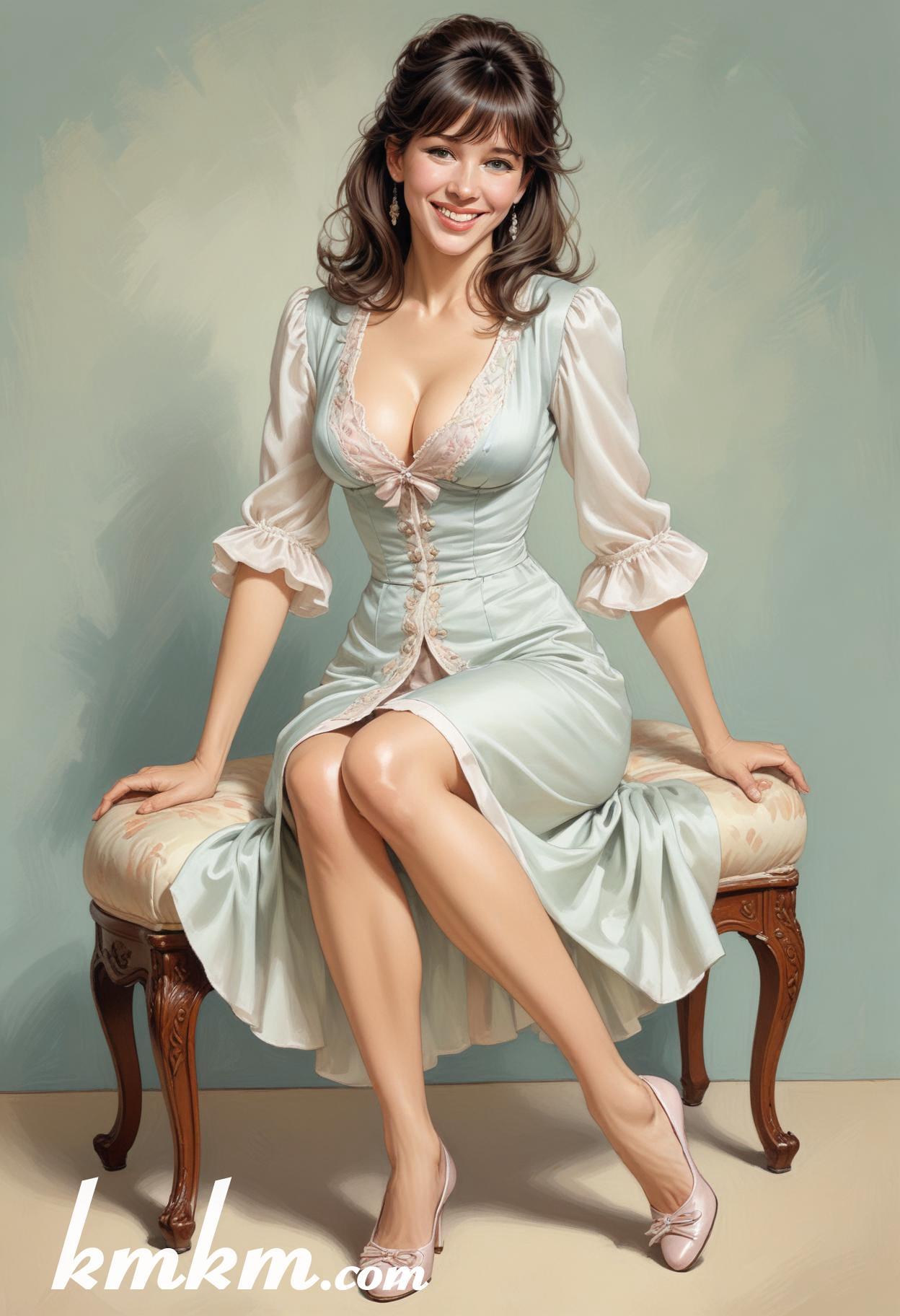
Artists often use muted colors in French Woman Traditional Dress Figure Drawing, allowing the design of the dress itself to be the focal point without the distraction of bold hues.
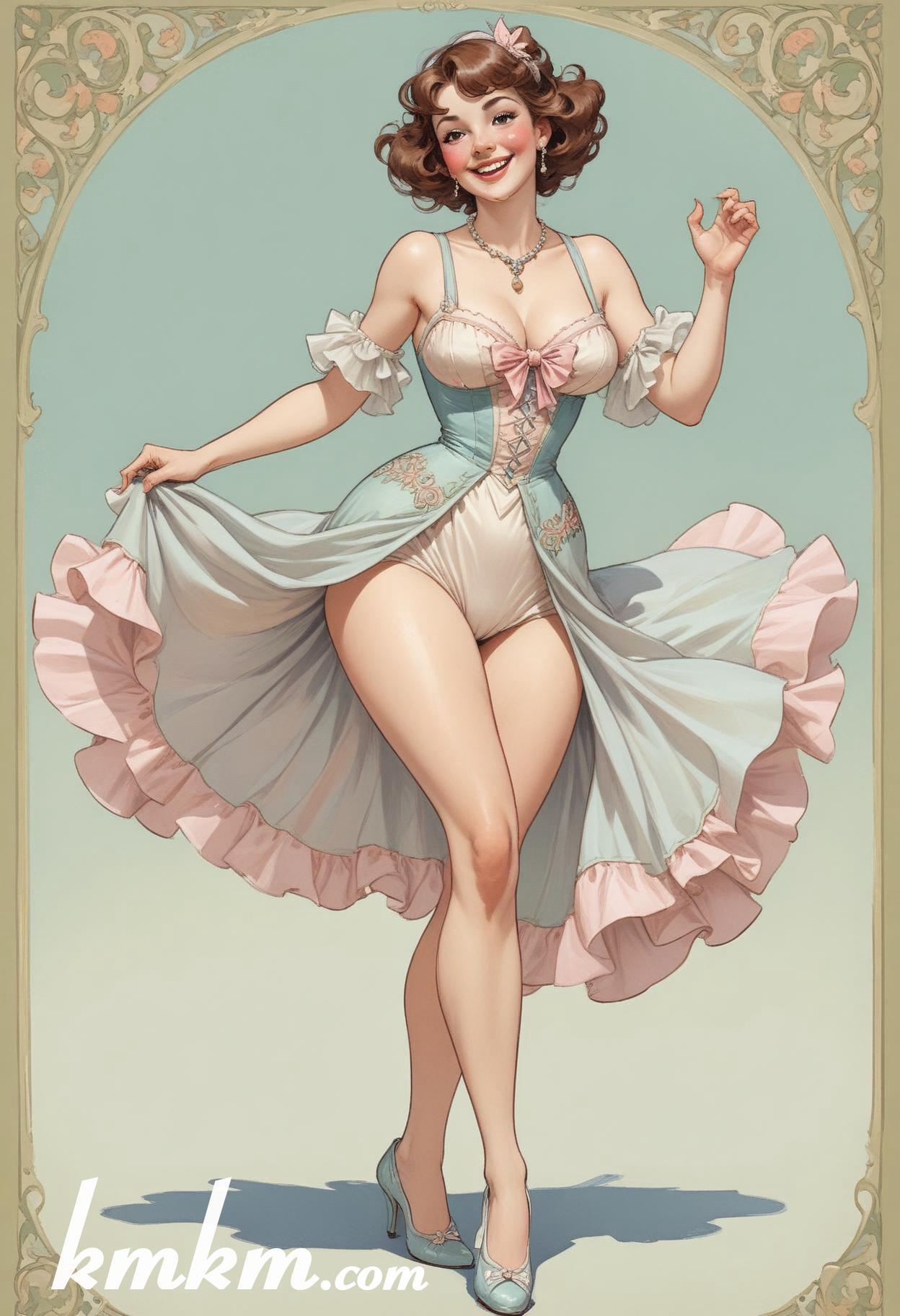
The precision needed for accurately portraying these dresses helps artists refine their skills in drawing patterns, textures, and human anatomy.
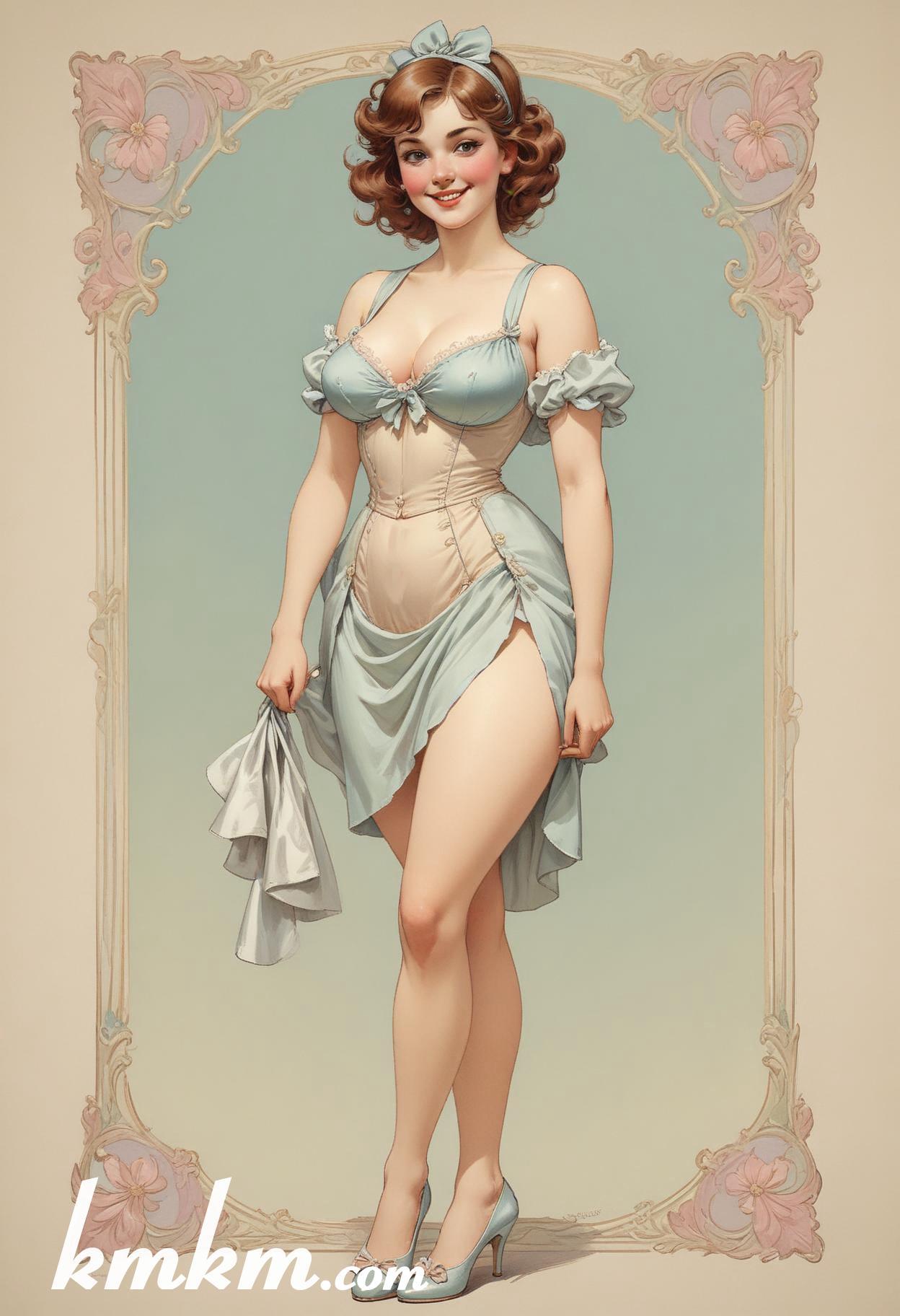
French Woman Traditional Dress Figure Drawing is popular in both traditional and digital art circles, with many artists using modern techniques to recreate classic looks.
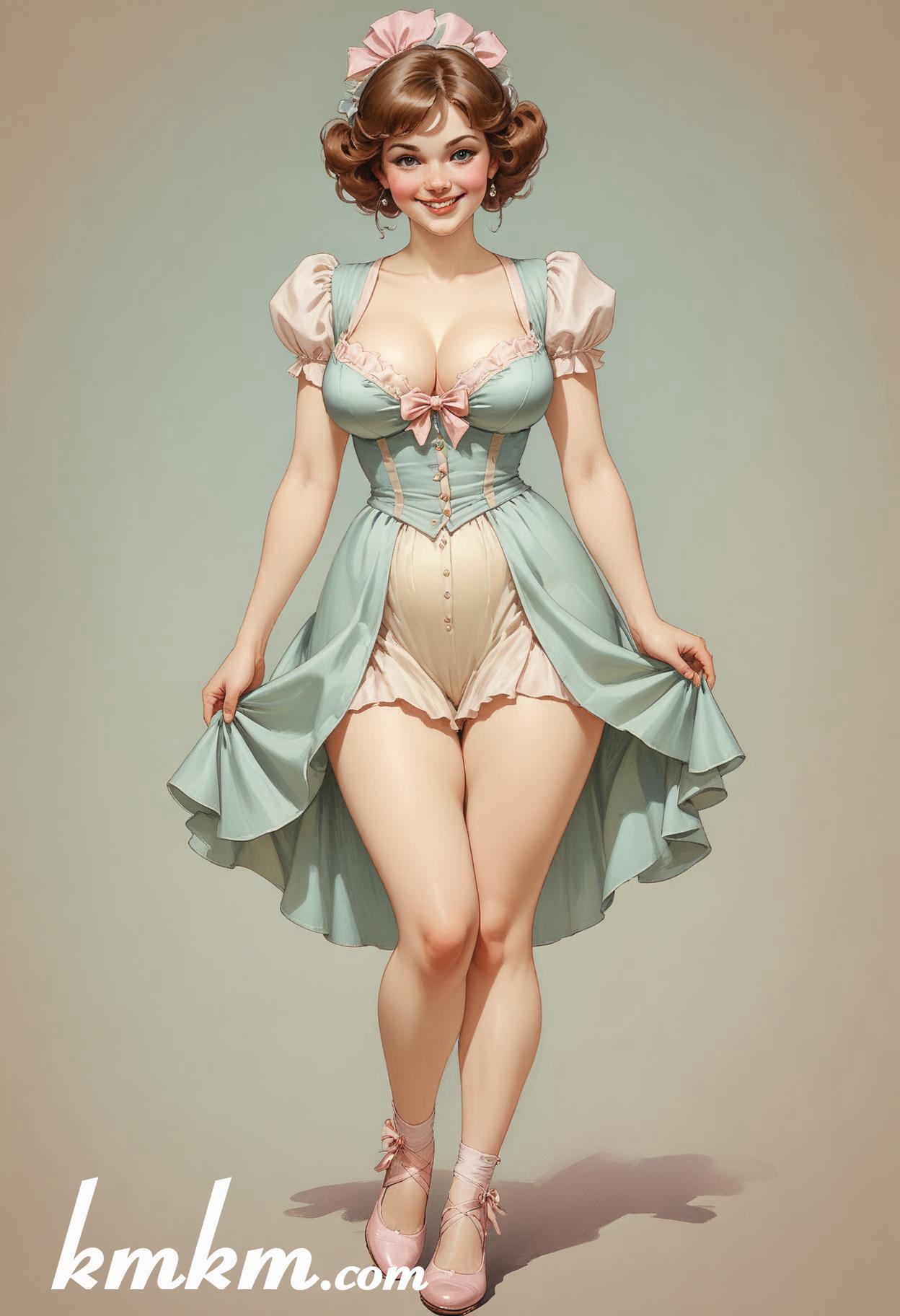
These drawings are often used as references for costume designers in theater, film, and historical reenactments, showing the lasting influence of French fashion.
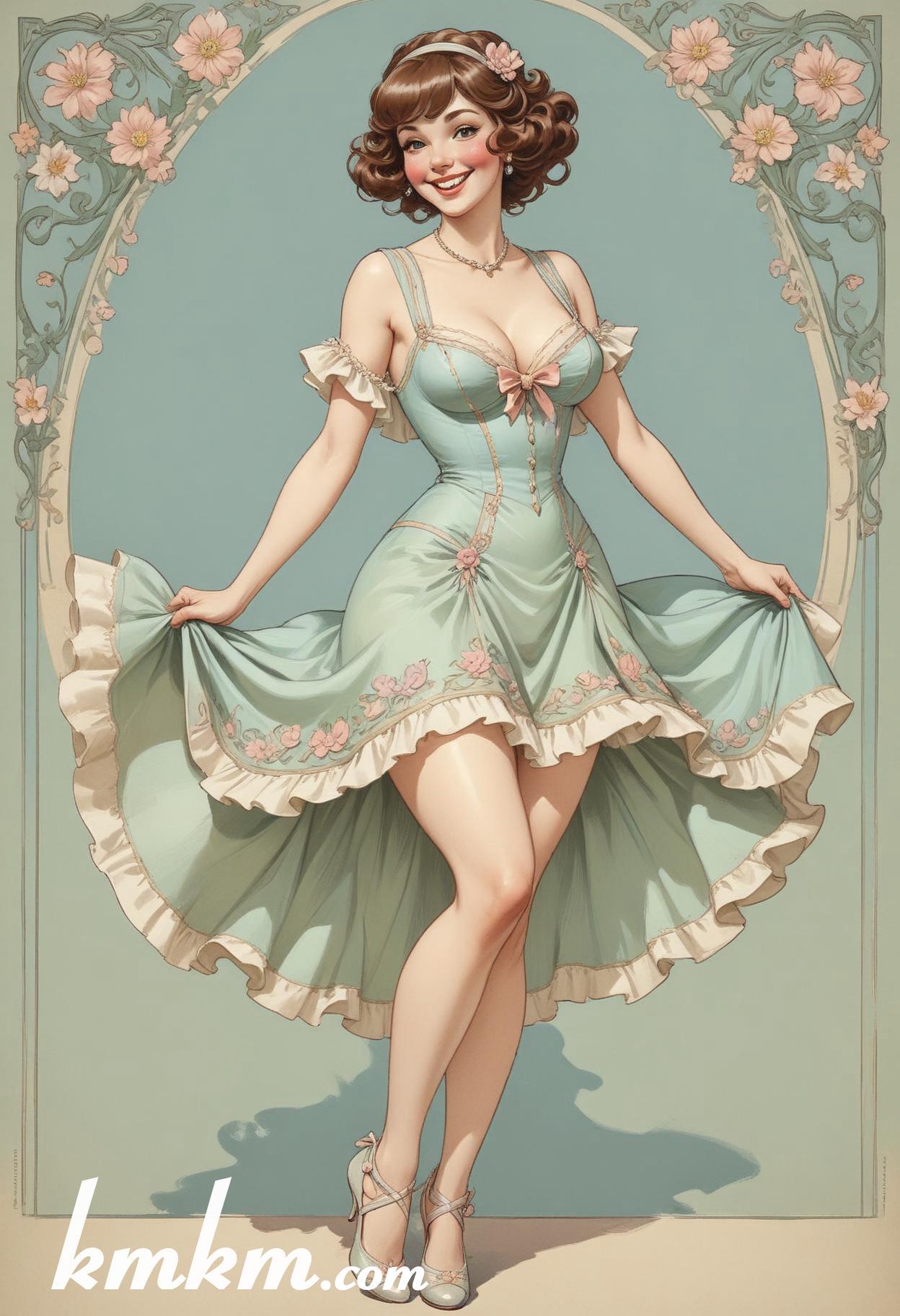
Collectors of cultural art appreciate French Woman Traditional Dress Figure Drawings for their beauty, historical accuracy, and celebration of French heritage.