Dancing Girl Snowy Tulle Skirt Figure Drawing
- cute simple drawing /
- drawing of figure /
- Dancing Girl Snowy Tulle Skirt Figure Drawing
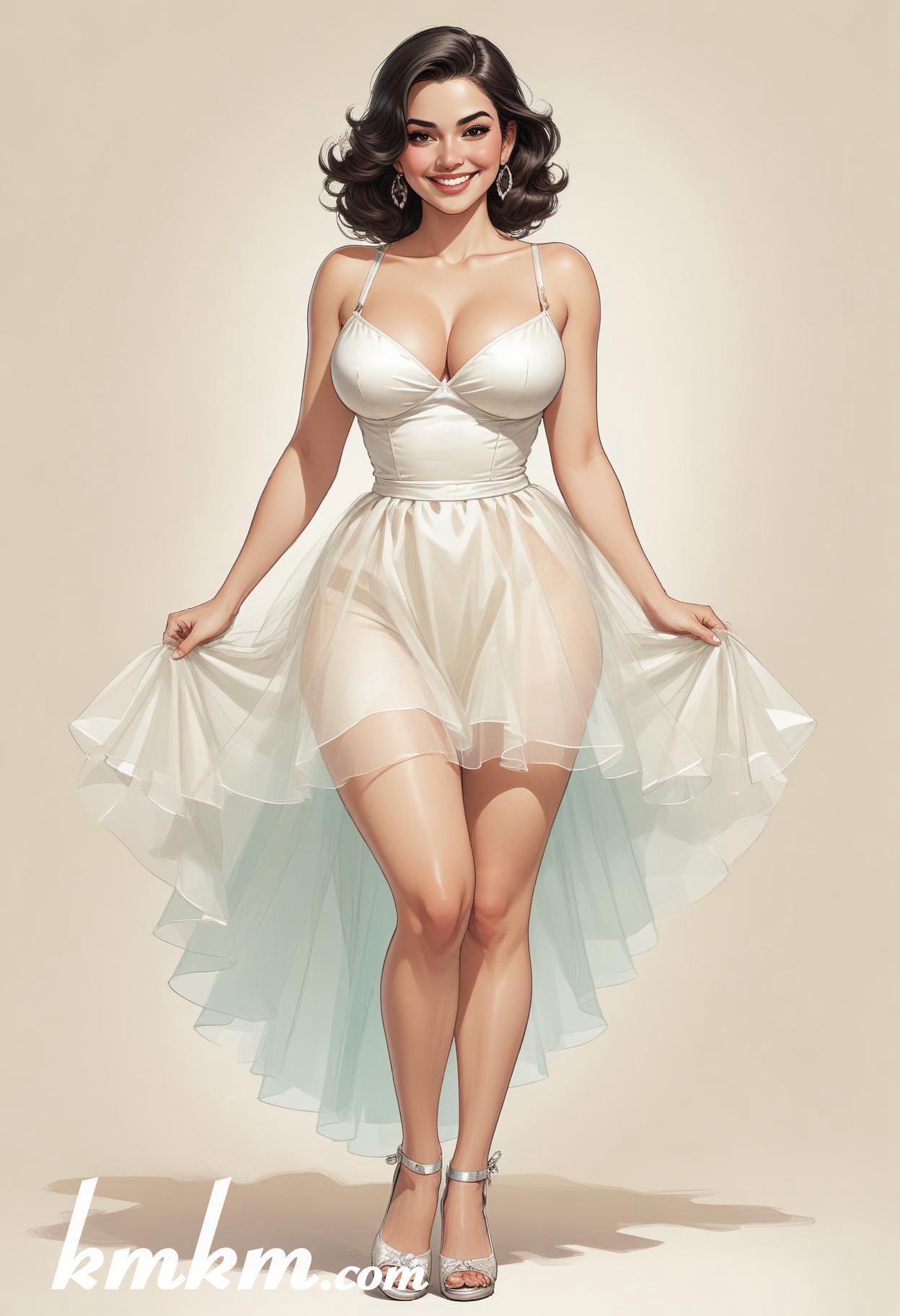
Dancing Girl Snowy Tulle Skirt Figure Drawing captures the elegance and grace of a dancer mid-motion, with flowing fabrics that suggest movement. This art form often highlights the beauty of both the human body and the delicate materials used in dance costumes.
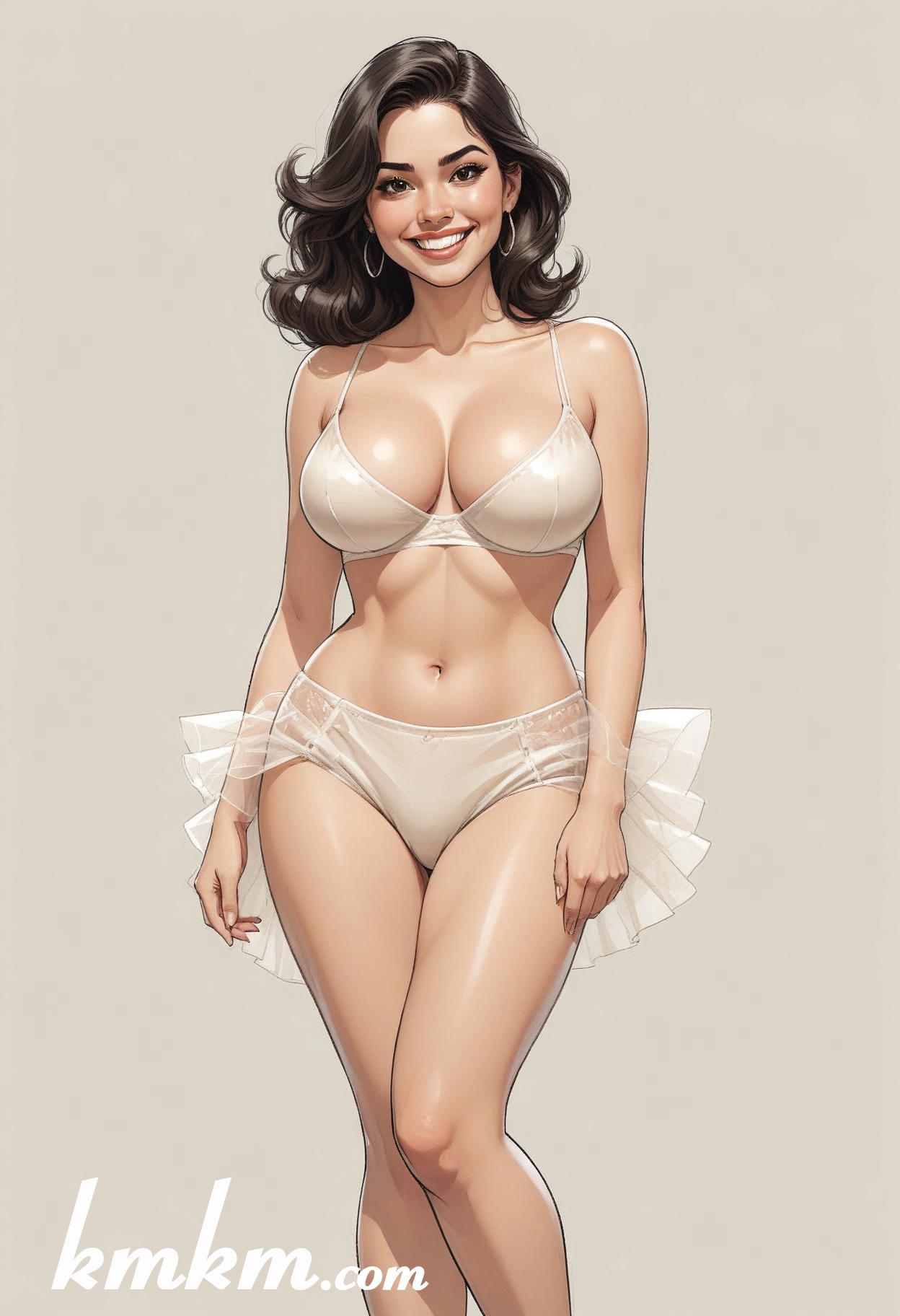
The key to creating a realistic Dancing Girl Snowy Tulle Skirt Figure Drawing lies in understanding the physics of fabric. Tulle, being lightweight, floats with every step, giving the illusion of airiness and freedom.
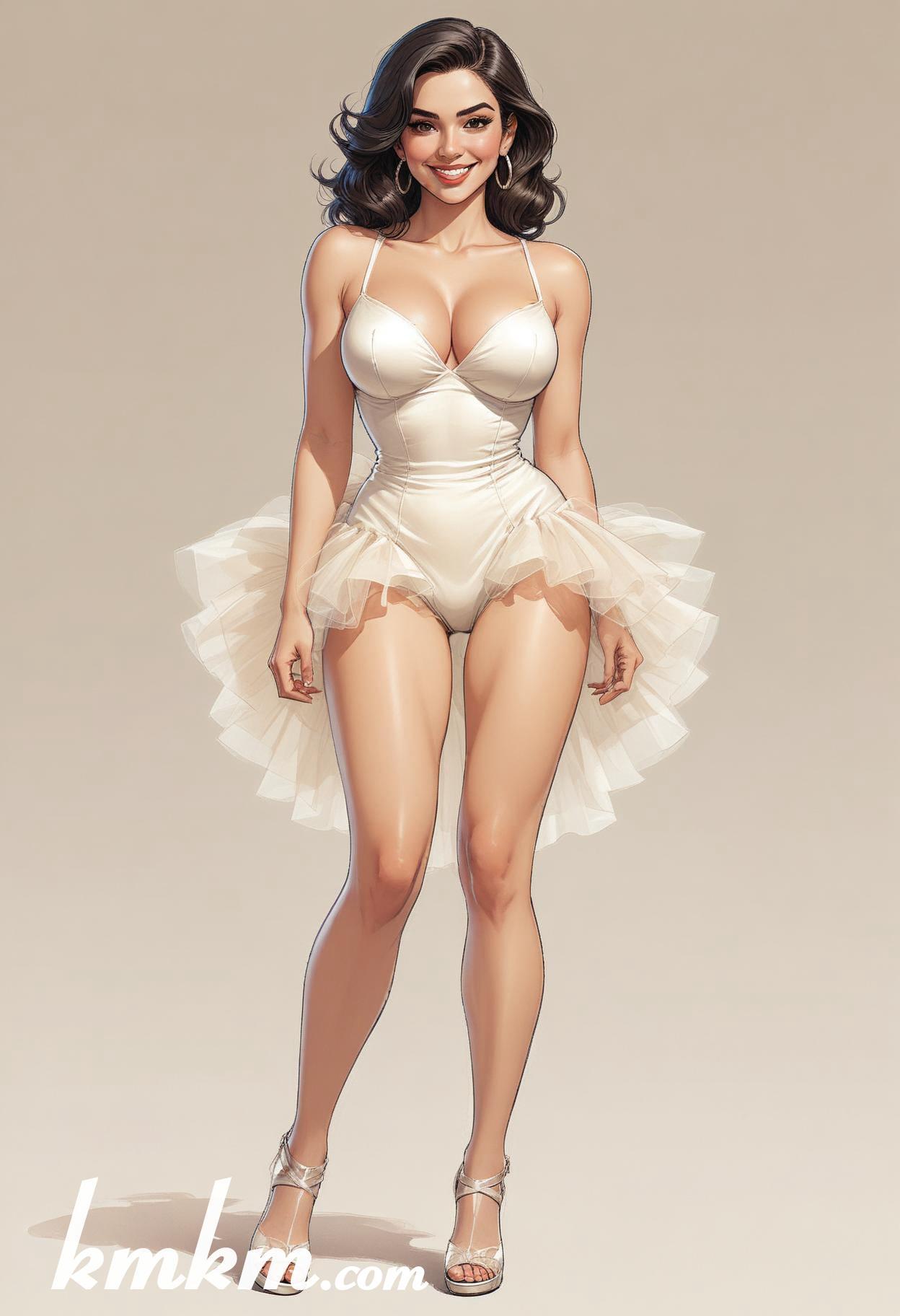
In many figure drawings, artists focus on the proportions of the dancer’s body. It’s essential to capture not just the stance but also the expression of grace and poise that defines a dancer.
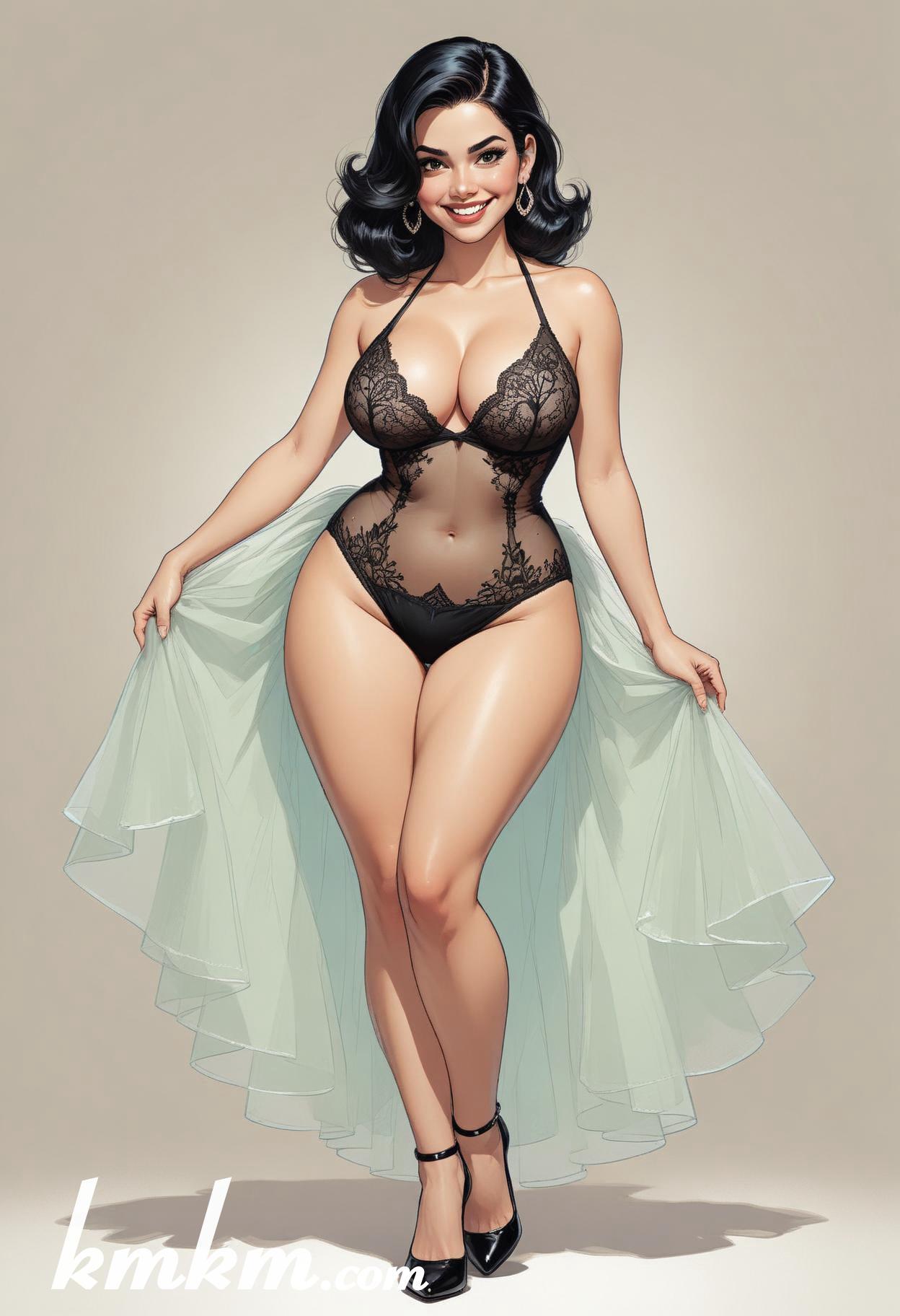
Snowy tulle skirts add a dreamlike quality to the drawing. The semi-transparent fabric offers an extra challenge for artists, as they must render layers that give depth without overwhelming the figure itself.
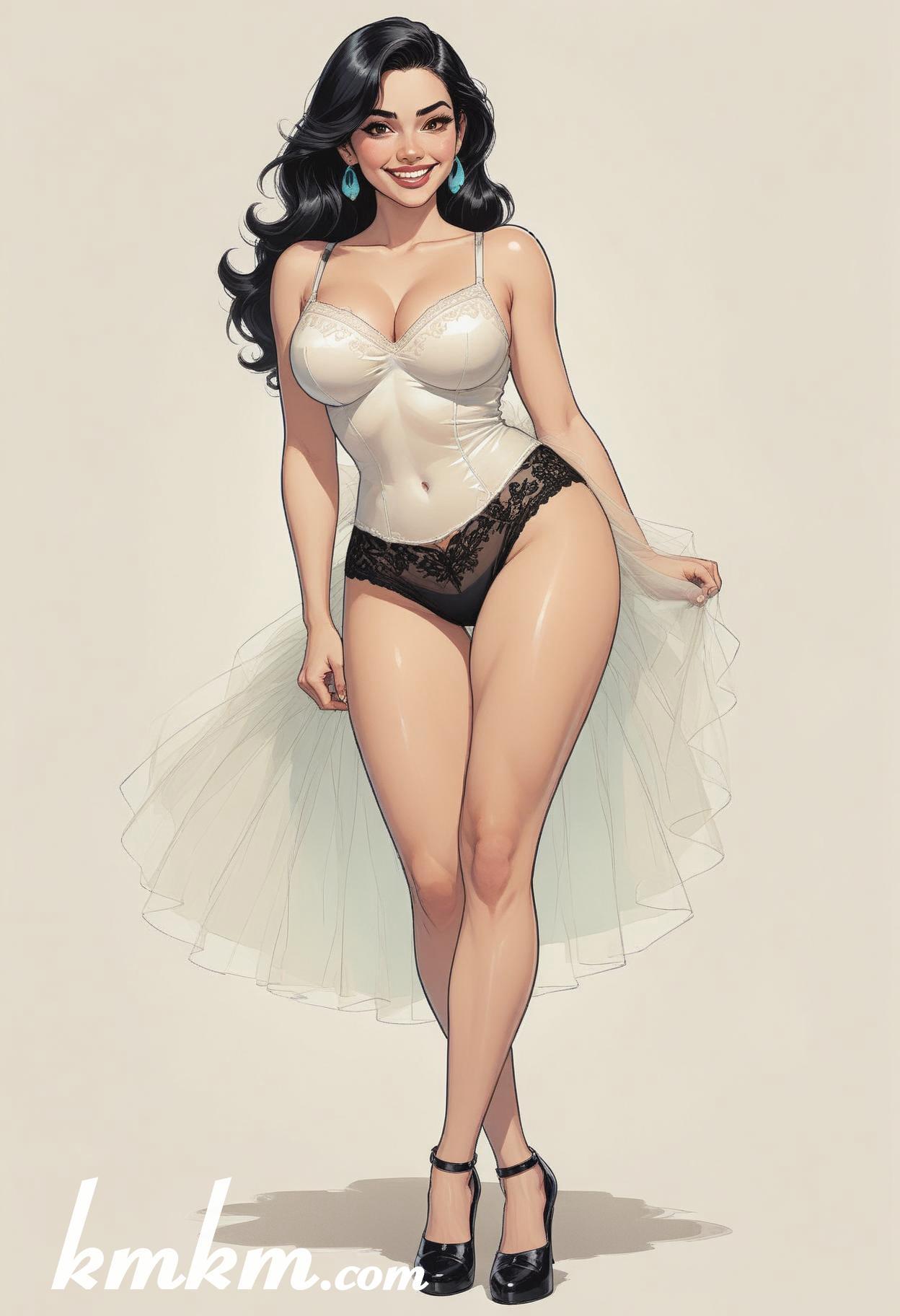
A common technique used in a Dancing Girl Snowy Tulle Skirt Figure Drawing is to sketch out the basic shapes and forms lightly before refining details like the folds of the skirt and the musculature of the dancer.
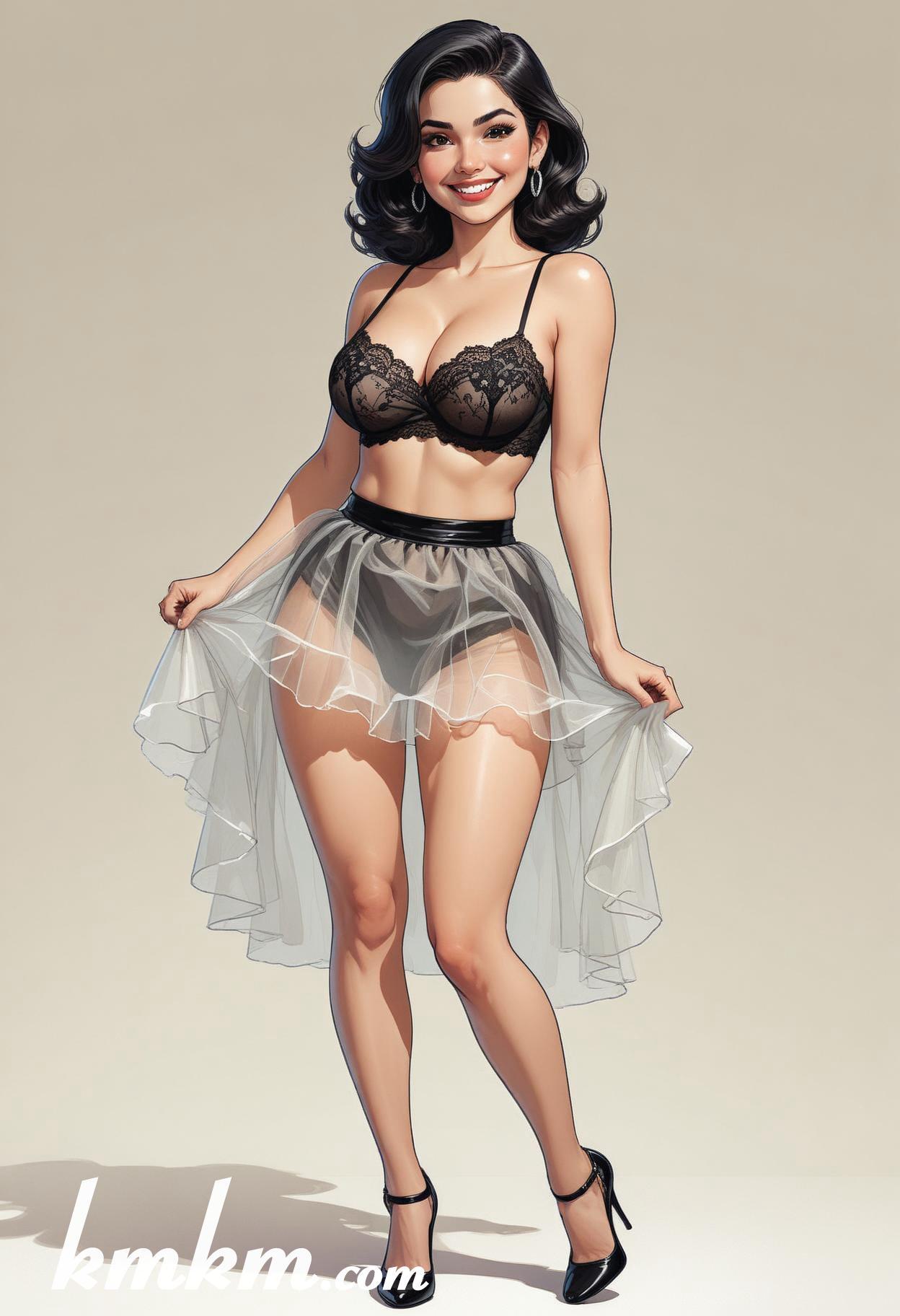
Artists may also play with light and shadow to emphasize the folds in the skirt, showing how the fabric interacts with the dancer’s movements. This adds a sense of realism to the artwork.
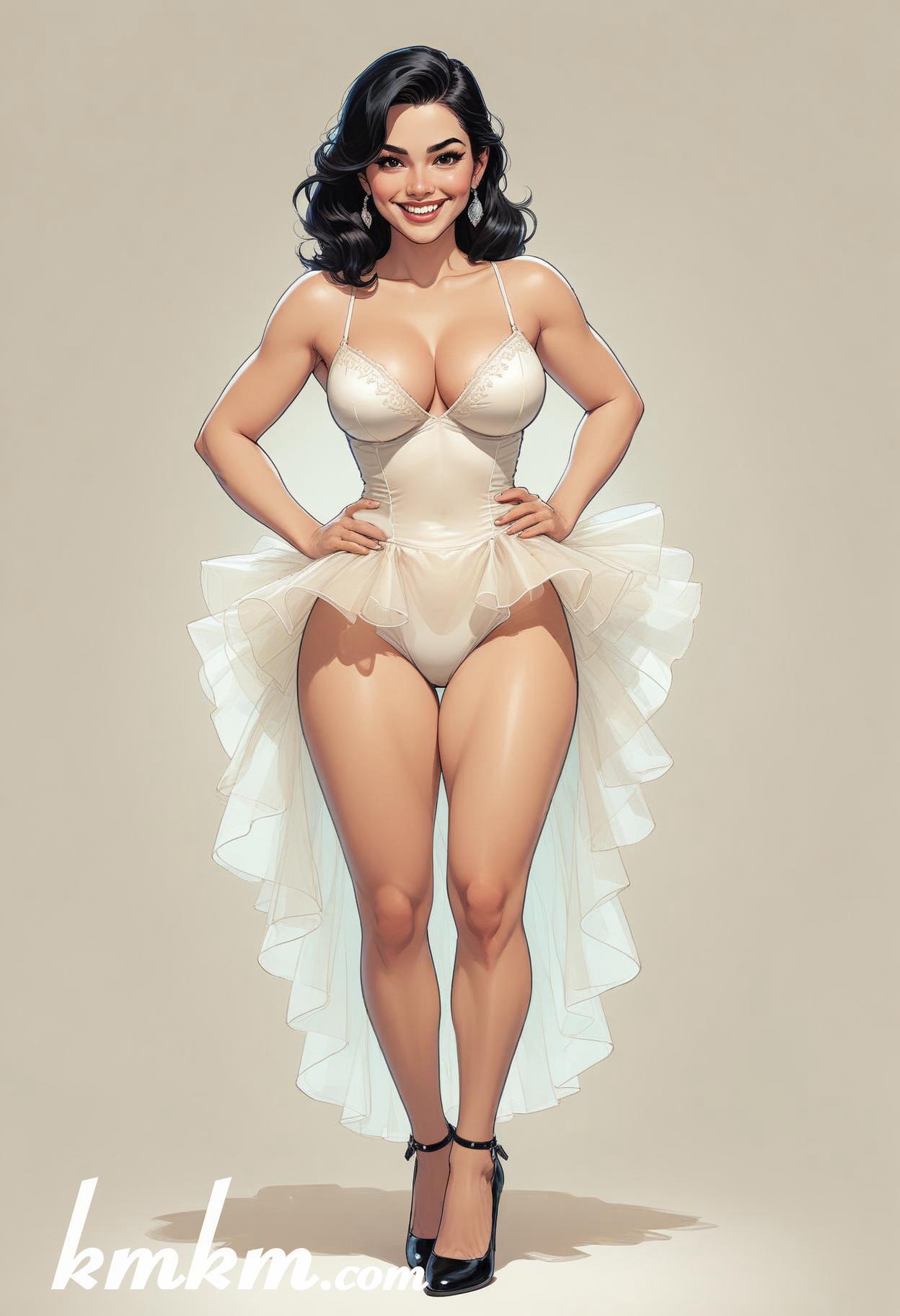
Historically, dancers in art have been a popular subject, symbolizing grace, discipline, and the pursuit of beauty. The snowy tulle skirt adds an extra layer of ethereal quality that draws the viewer in.
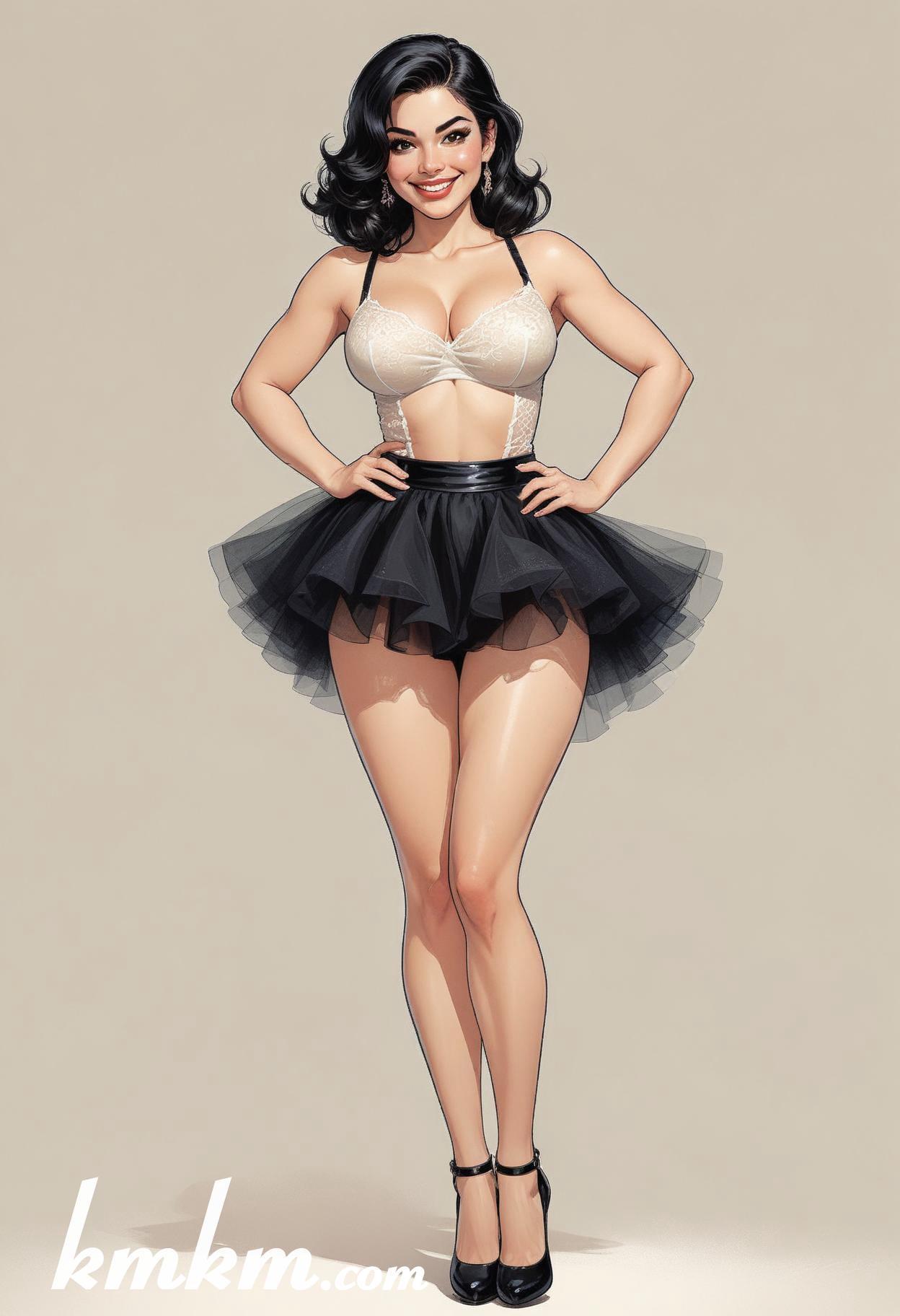
When drawing the snowy tulle skirt, it’s important to remember that tulle doesn’t drape like regular fabric. Instead, it retains some structure, so artists must balance softness with the inherent rigidity of the material.
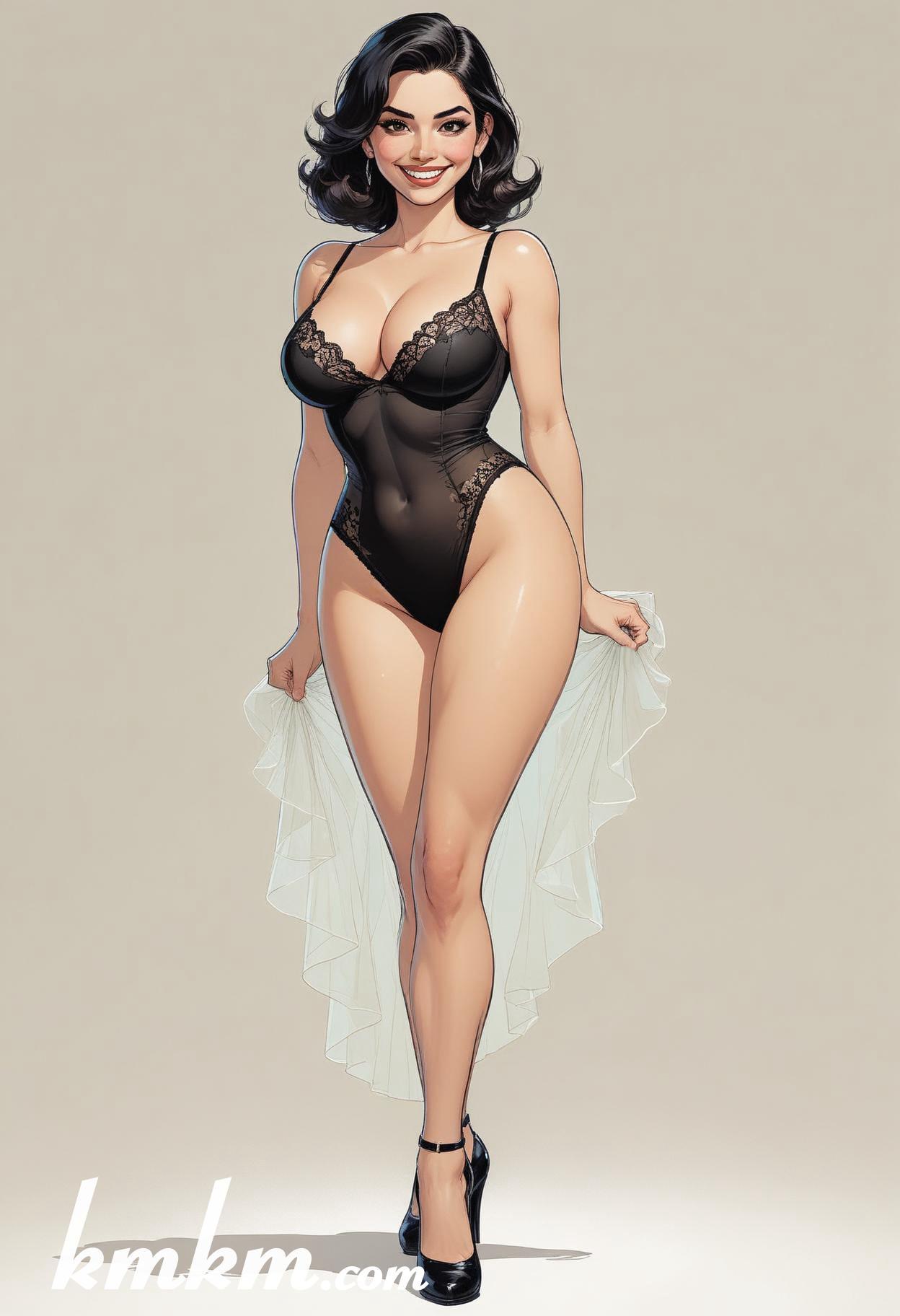
To add dynamic movement to a Dancing Girl Snowy Tulle Skirt Figure Drawing, artists often use curved lines that mimic the arcs of a dancer’s motions, making the image feel alive.
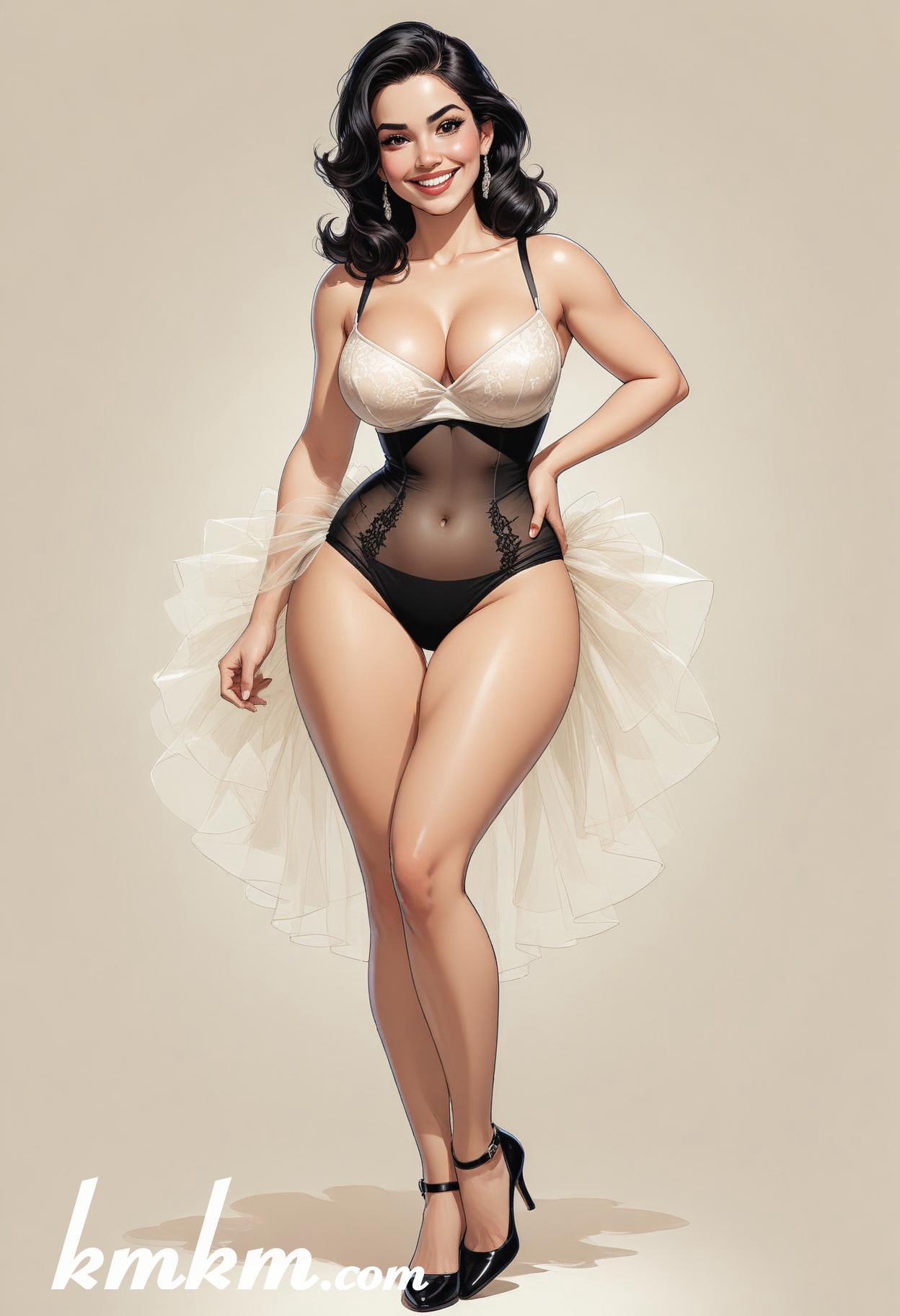
Understanding anatomy is key to figure drawing. For a dancer, the musculature is often more defined due to the athletic nature of dance. This should be reflected subtly in the way the body is portrayed.
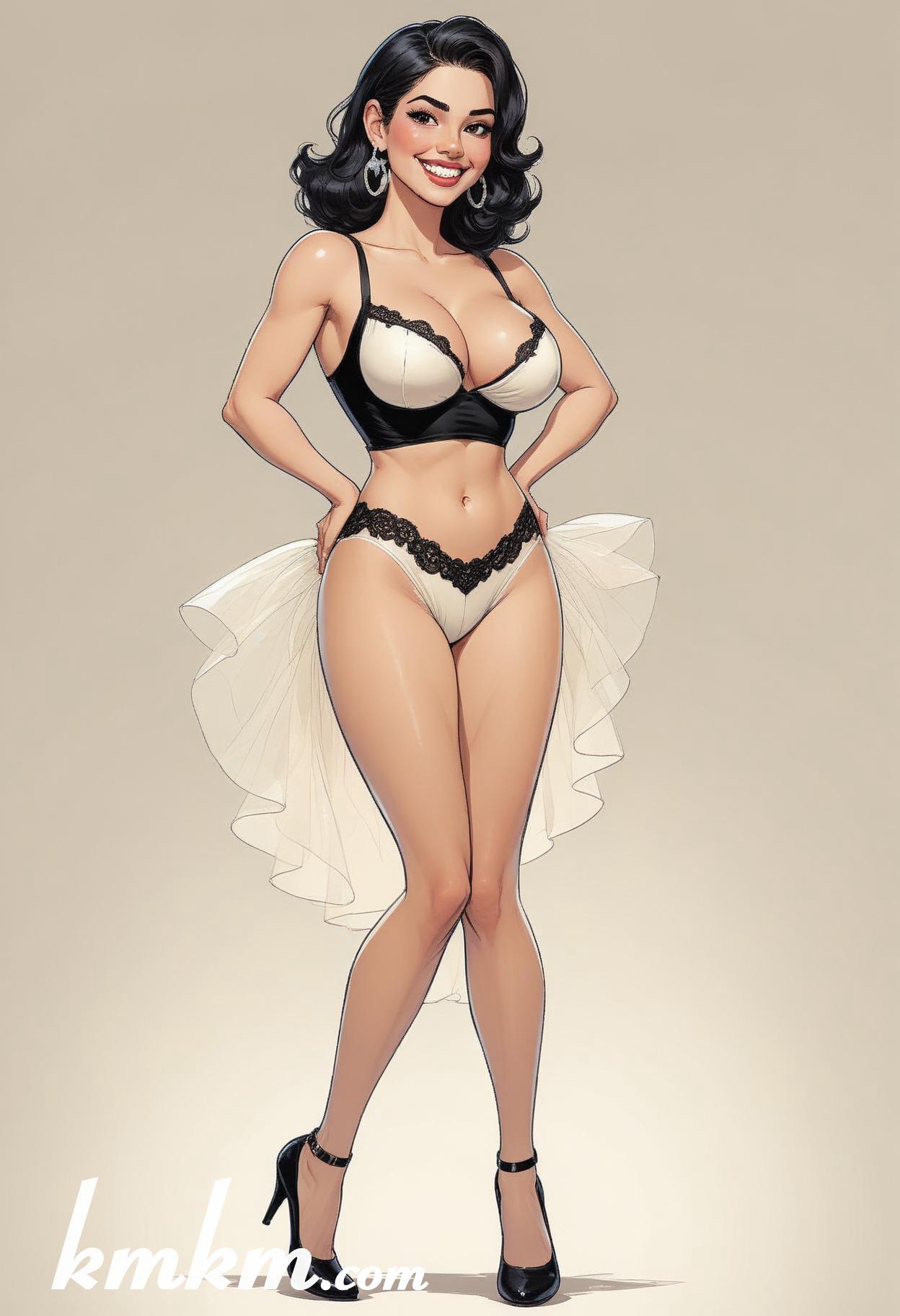
Drawing tulle can be tricky, but focusing on the transparency of the material helps. Artists can layer different shades of white and gray to show how light passes through the fabric.
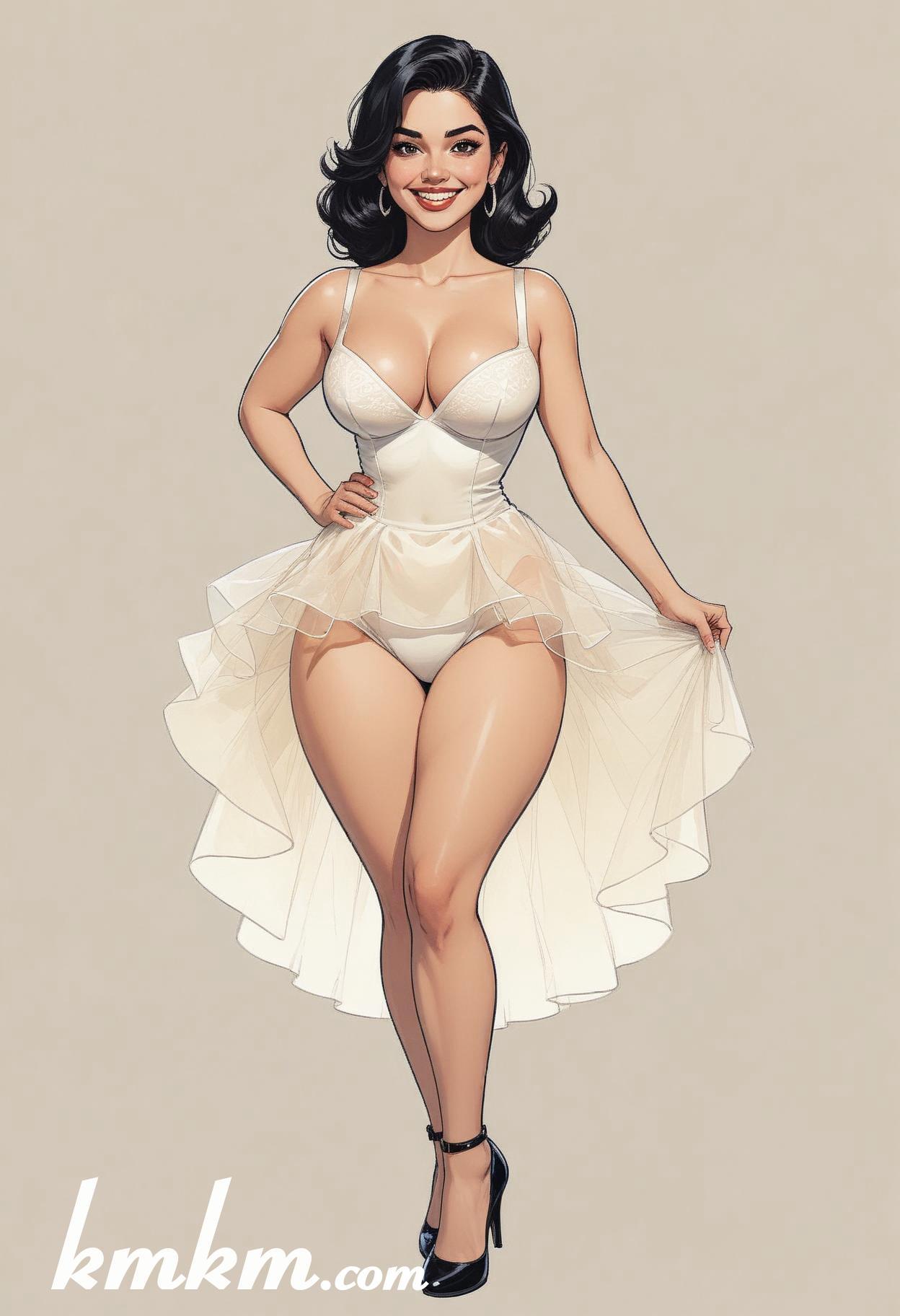
Many artists choose to exaggerate the movement of the skirt in figure drawings, giving the sense that the fabric is floating around the dancer as she twirls.
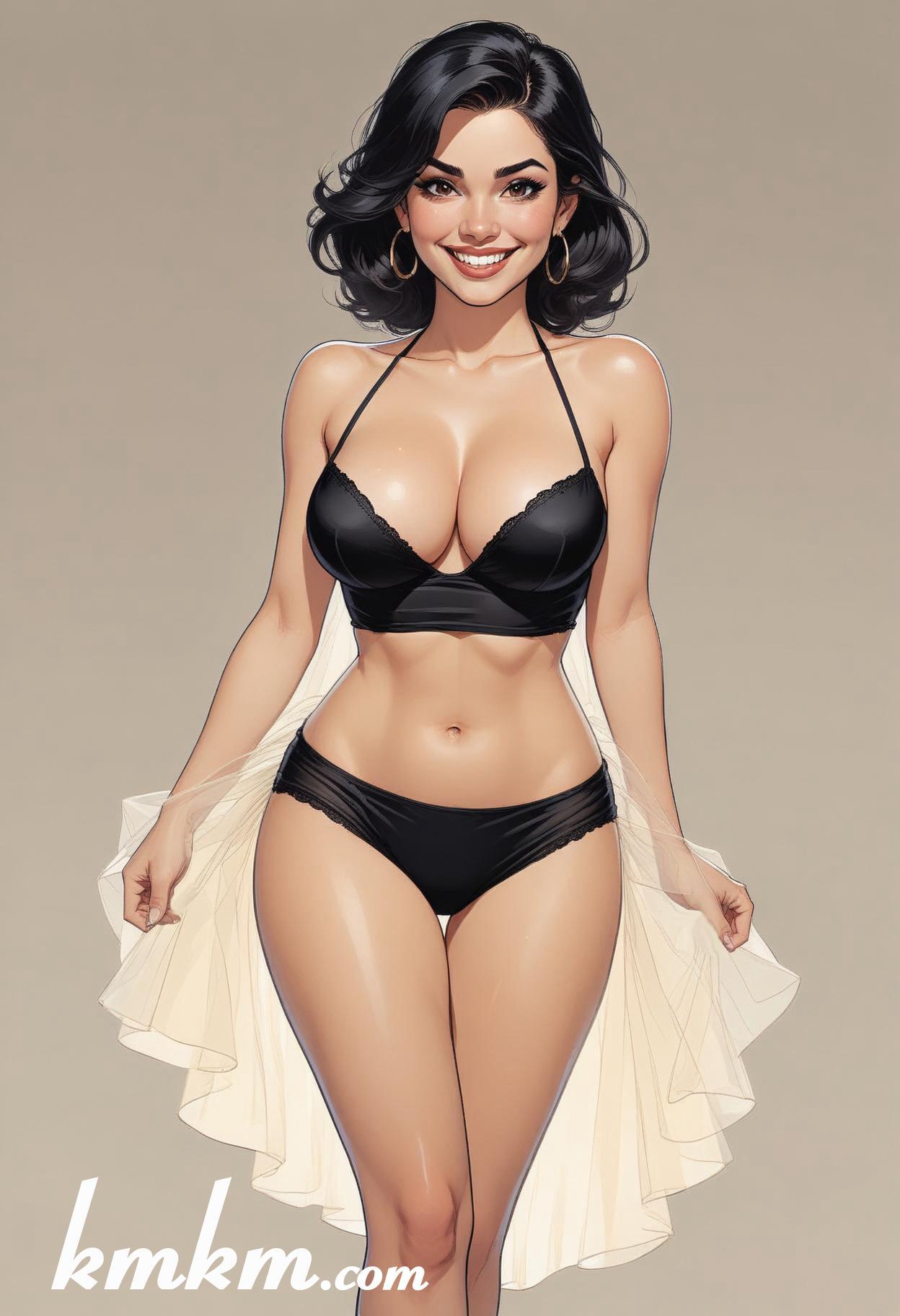
Dancing Girl Snowy Tulle Skirt Figure Drawing allows artists to play with the contrast between the soft, flowing fabric and the strong, grounded stance of the dancer. This contrast is what often makes the artwork captivating.
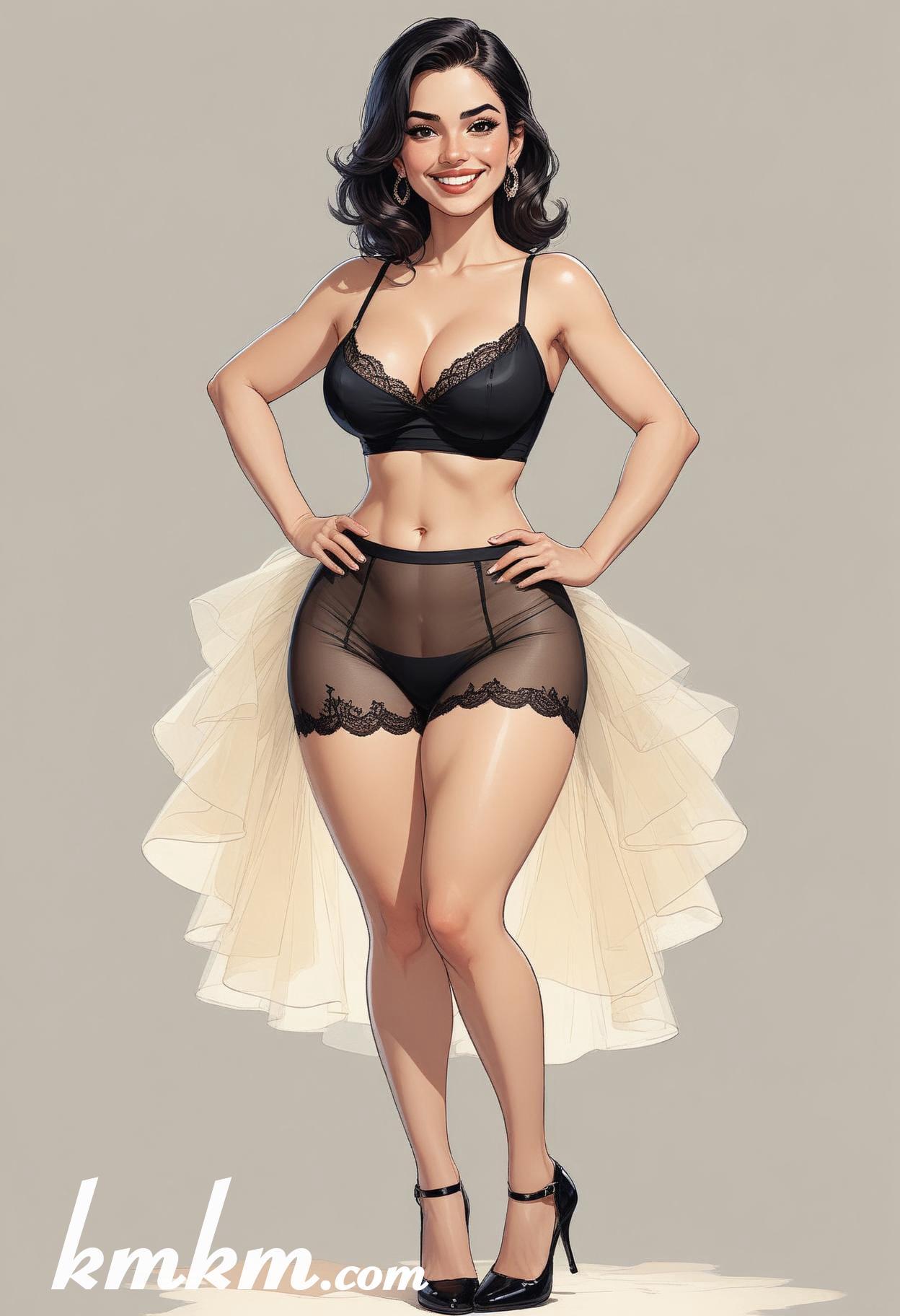
Artists can experiment with color as well, using different shades of white, blue, or even pastels to create a wintry, delicate effect that complements the snowy tulle skirt.
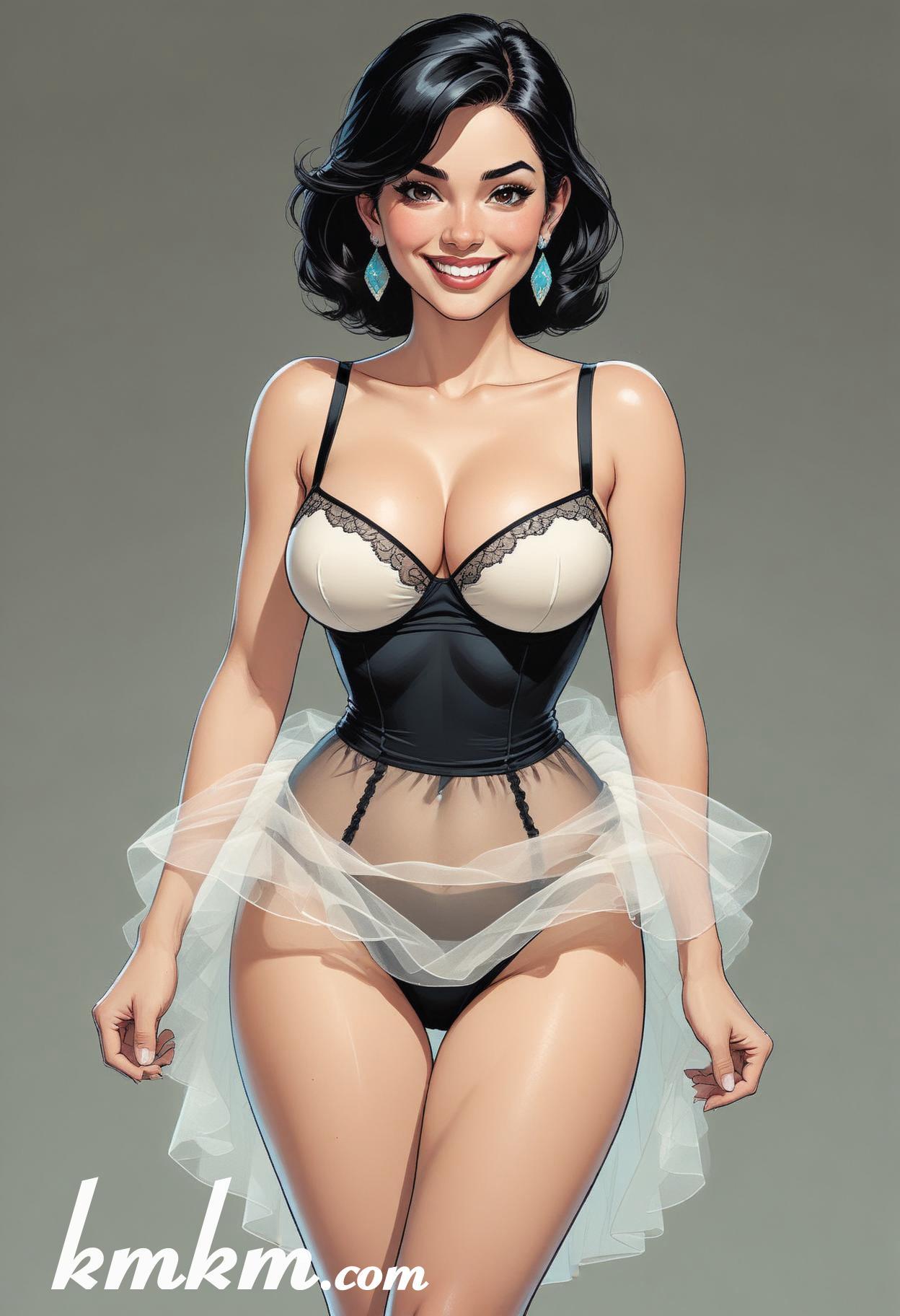
The key to success in this type of drawing is practice. Repeatedly drawing the same pose or skirt flow can help artists master the nuances of capturing movement and fabric.

Photographs of dancers in motion can provide great reference material for understanding how tulle reacts to movement. Artists can study these images to refine their figure drawing techniques.
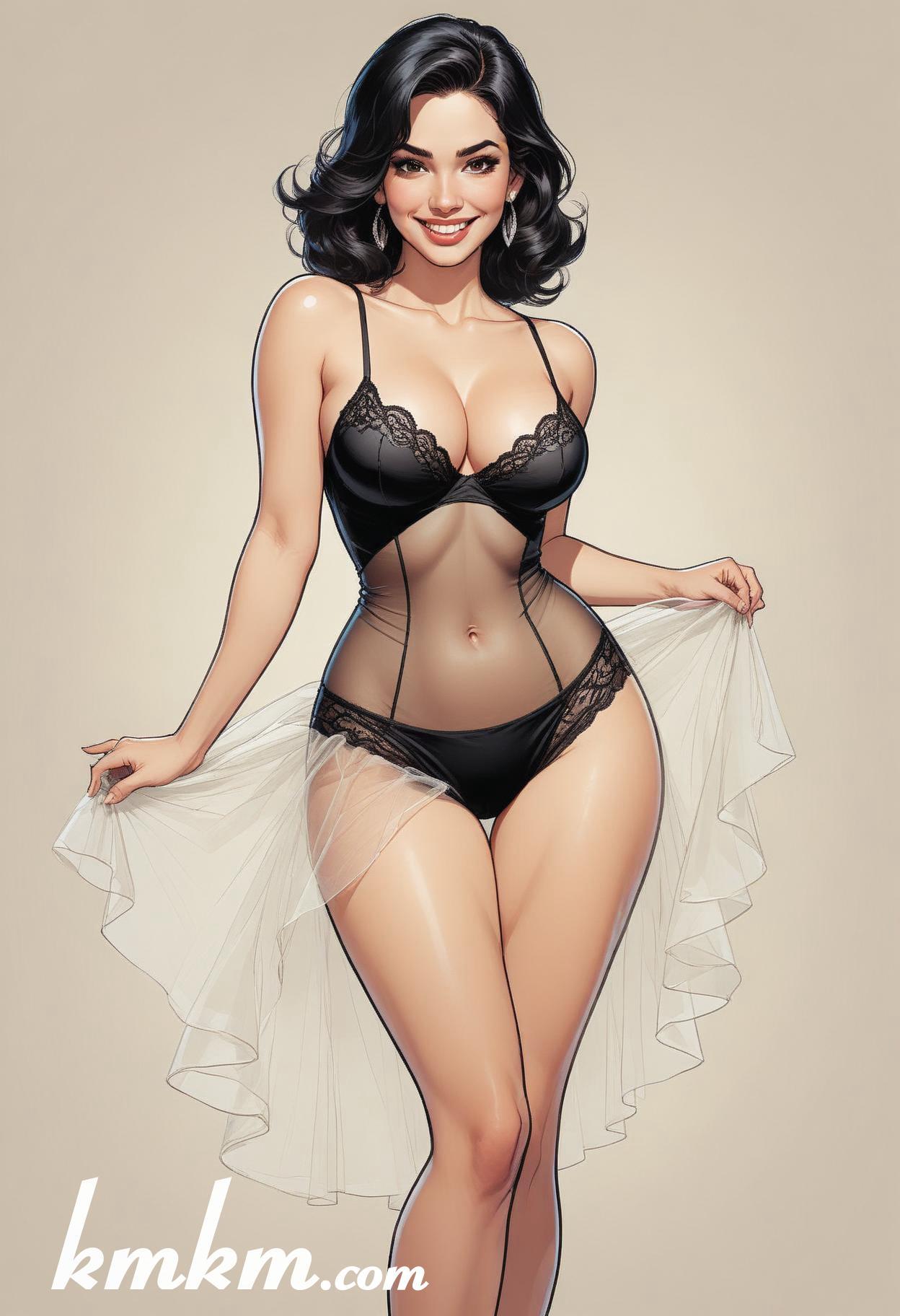
A successful Dancing Girl Snowy Tulle Skirt Figure Drawing conveys more than just the physical pose; it should evoke the dancer’s energy, the lightness of the tulle, and the moment of movement caught in time.
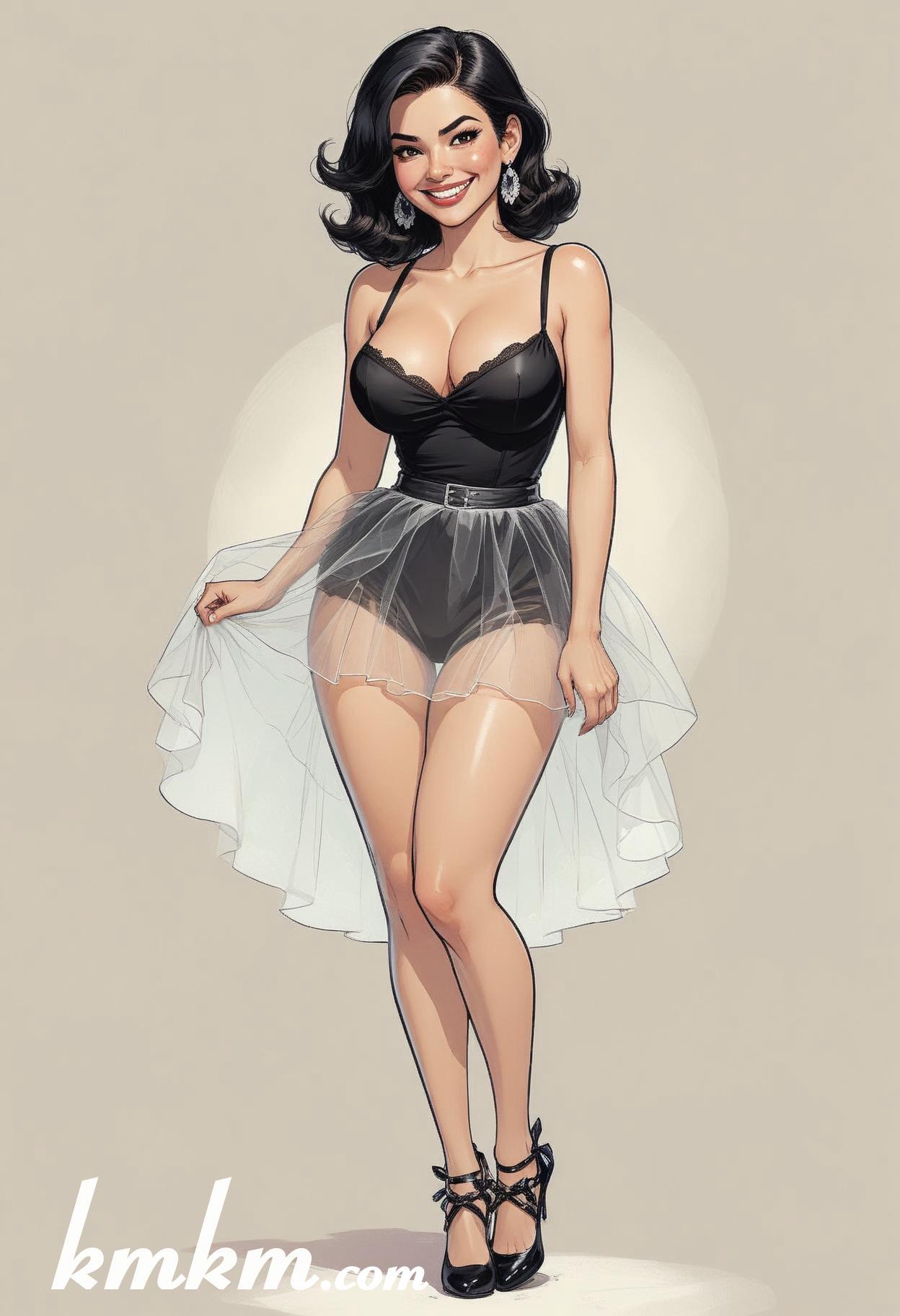
This form of art often plays with both motion and stillness, showing the dancer as frozen in a graceful position while the skirt continues to move and flow.

Many artists find that drawing a snowy tulle skirt challenges their shading skills. The translucent fabric requires subtle blending to create the effect of light shining through.
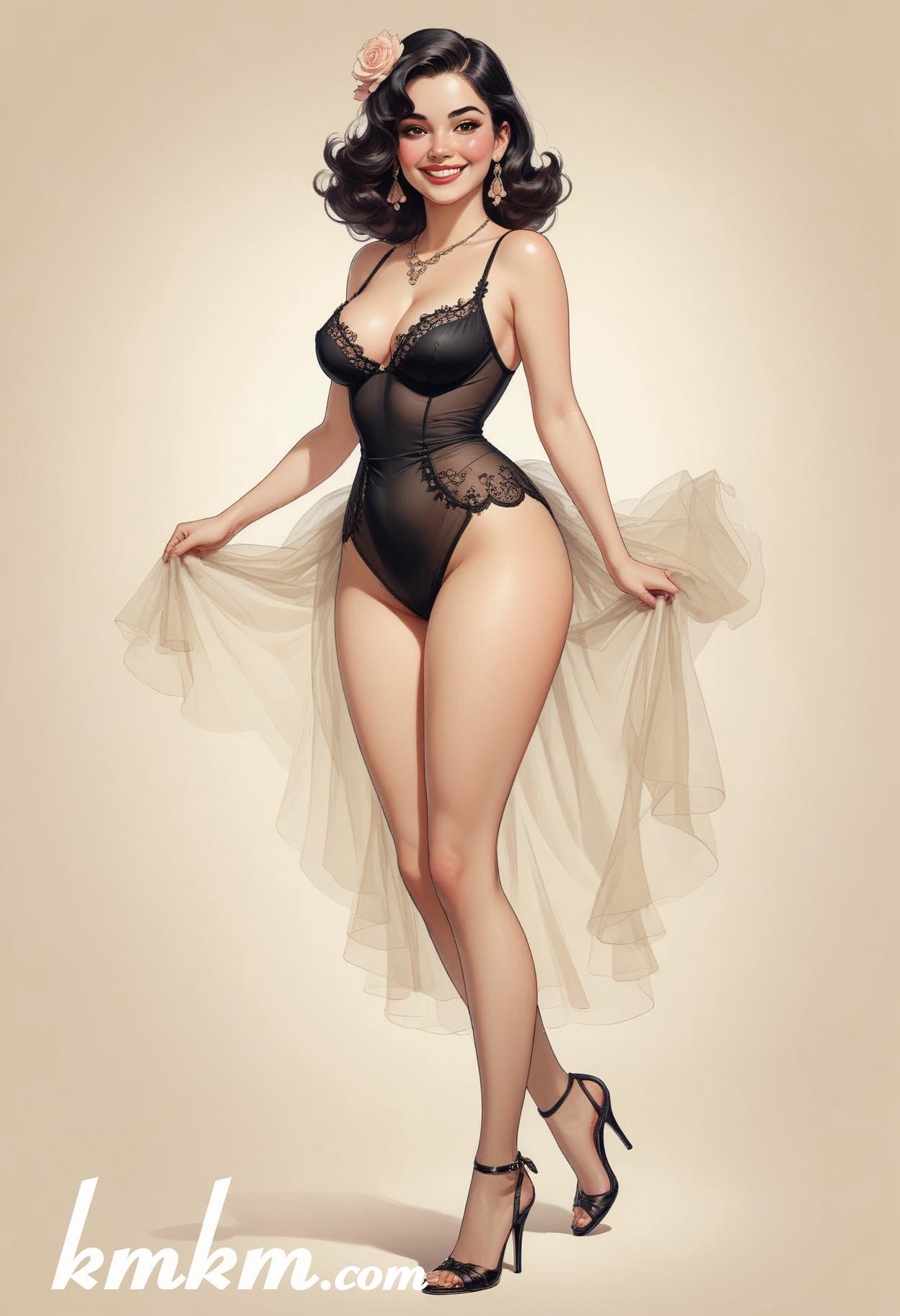
For artists looking to improve their figure drawing, focusing on both the figure and the texture of the tulle skirt can be an excellent way to develop a more nuanced and detailed style.