Campari tomato plants
- Fun facts /
- Tomato /
- Tomato varieties /
- Campari tomato plants
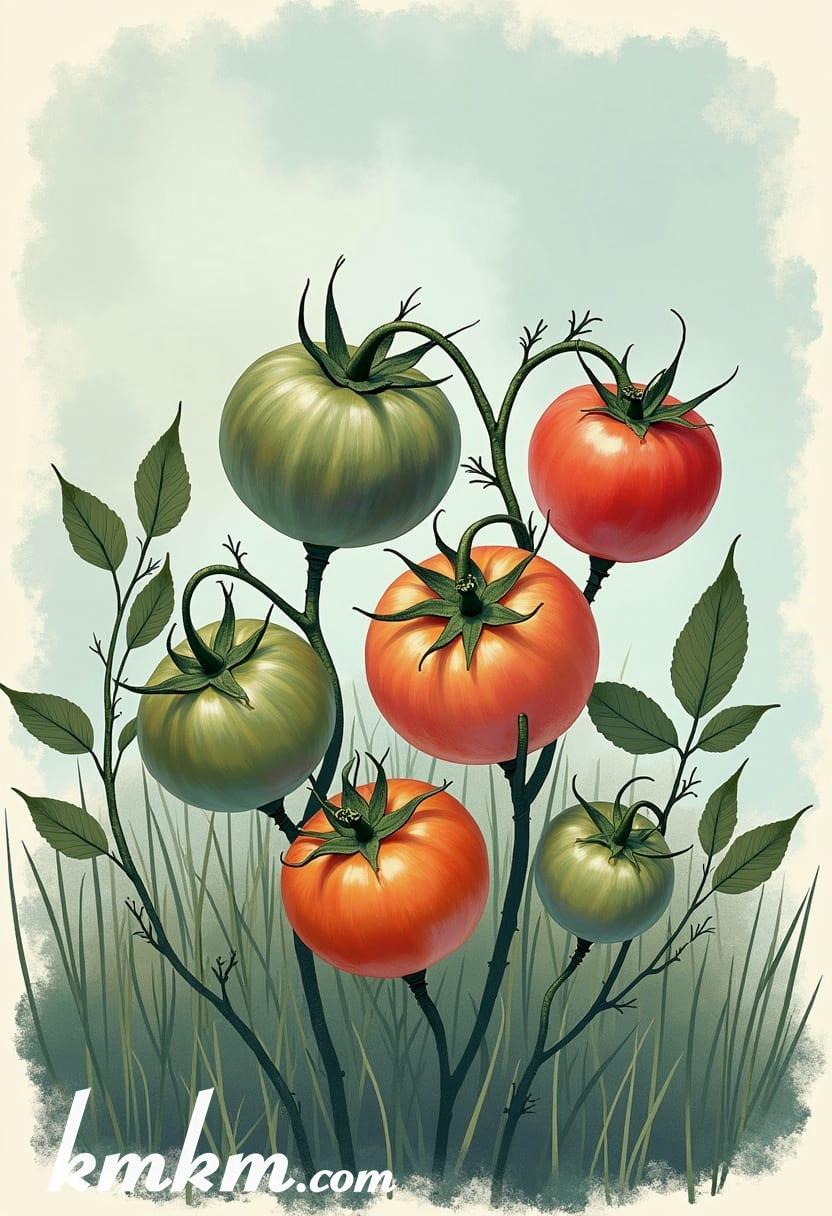
Campari tomato plants are famous for their super sweet taste, often described as a natural candy with a juicy crunch. Unlike many store-bought tomatoes, Campari tomatoes are never grainy—just smooth, tender, and consistently ripe inside. They're often grown in greenhouses, which helps them stay protected and keeps their flavor rich all year round.

These tomatoes are a cross between wild and cultivated varieties, giving them their rich color and full-bodied taste. Campari tomato plants are indeterminate, meaning they keep growing and producing fruit until frost. Their low acidity makes them a top choice for people with sensitive stomachs.

Campari tomatoes first gained popularity in the 1990s thanks to their bold flavor and perfect salad size. Even though they’re small, they pack a punch—almost like cherry tomatoes in a tuxedo. One reason people love Campari tomato plants is that they rarely crack, unlike some other juicy varieties.

The compact size of Campari tomato plants makes them ideal for container gardening on patios or balconies. They're also great for kids to grow—the plants are hardy and the fruits are snack-sized. If you've ever tasted a tomato that made you pause and say “Whoa,” it might’ve been a Campari.

In Italy, Campari tomatoes are often used for bruschetta because they don’t overpower the garlic and olive oil. Some chefs swear by them for making a fresh tomato sauce that doesn’t even need salt. Campari tomato plants thrive in well-drained soil with plenty of sunlight—six hours a day is the sweet spot.

The vines can get tall, so many gardeners use cages or stakes to keep them standing proud. Because of their lush foliage, these plants can act like a natural green curtain in small yards. The flavor is best when picked at peak ripeness—deep red and just slightly soft to the touch.

Campari tomato plants don’t require heavy pruning, just the occasional cleanup of lower leaves. They’re known for setting fruit early in the season, giving gardeners a jumpstart on summer flavors. If you’ve ever tasted one straight off the vine, you know why people grow them year after year.

They contain lycopene, a powerful antioxidant linked to heart health and glowing skin. A handful of Campari tomatoes offers a boost of vitamin C, potassium, and fiber. In blind taste tests, Campari often beats bigger tomatoes thanks to its rich, balanced flavor.

Unlike beefsteak tomatoes, Campari varieties have fewer seeds and more flesh—perfect for slicing. They’ve even been featured in food documentaries for their reputation as “the tastiest tomato.” Campari tomato plants love warm weather but will slow down once nighttime temps dip below 60°F.

Many home gardeners choose Campari because they ripen evenly without green shoulders. They store well in a cool, dark place—but never in the fridge, which dulls the flavor. In sandwiches, they add moisture without making the bread soggy—a rare tomato superpower.

Some gardeners call them the “Goldilocks” tomato—not too small, not too big, just right. They’re especially popular in rooftop gardens where space and soil are limited. Campari tomato plants are also resistant to many common tomato diseases, making them beginner-friendly.

They’re not genetically modified—just carefully bred for superior taste and texture. A well-maintained Campari tomato plant can yield dozens of fruits in one season. Their high sugar content makes them perfect for roasting or even slow-drying in the oven.

The name “Campari” has no link to the famous Italian liquor—it’s purely tomato talk here. They’re usually sold in clusters, still attached to the vine, which helps preserve their flavor. Campari tomato plants can even be grown indoors under grow lights with good air circulation.

Their flavor pairs well with balsamic vinegar, fresh basil, and mozzarella in Caprese salads. Some people freeze them whole for use in winter soups and stews. You can also blend them raw into gazpacho without needing to strain out skins or seeds.

In garden experiments, bees seem to prefer Campari flowers over other tomato types. A single plant can sometimes spread up to three feet wide with the right care. Campari tomato plants are often grown hydroponically in commercial greenhouses for higher yield.

They're not just pretty—they’re practical, thriving in USDA zones 3 through 10 with proper protection. If you’re short on time, these tomatoes are low-maintenance and forgiving. Their fruit is so uniform that chefs often use them for presentation in upscale dishes.

They rarely split after heavy rains, a common problem with thinner-skinned varieties. Kids love harvesting them because the fruits are small enough for little hands. They can even be used to make a naturally sweet tomato jam or chutney.

Campari tomato plants respond well to organic fertilizers like compost tea or seaweed extract. Some growers claim playing classical music around the plants helps them thrive—who knows? Their root systems are strong but shallow, so mulching helps retain moisture.

They’ve been called the “Ferrari of tomatoes” for their smooth curves and impressive performance. Some gardeners grow them just for the scent—sweet, herbal, and distinctly tomato-y. You can grow Campari tomato plants from seed, but most people start with young transplants.

Cooking them lightly brings out a natural umami flavor that’s richer than many sauces. They add a burst of freshness to tacos, wraps, or even a bowl of mac and cheese. Even picky eaters tend to like Campari tomatoes because they’re never too tart or too bland.