Bush tomato varieties
- Fun facts /
- Tomato /
- Tomato varieties /
- Bush tomato varieties
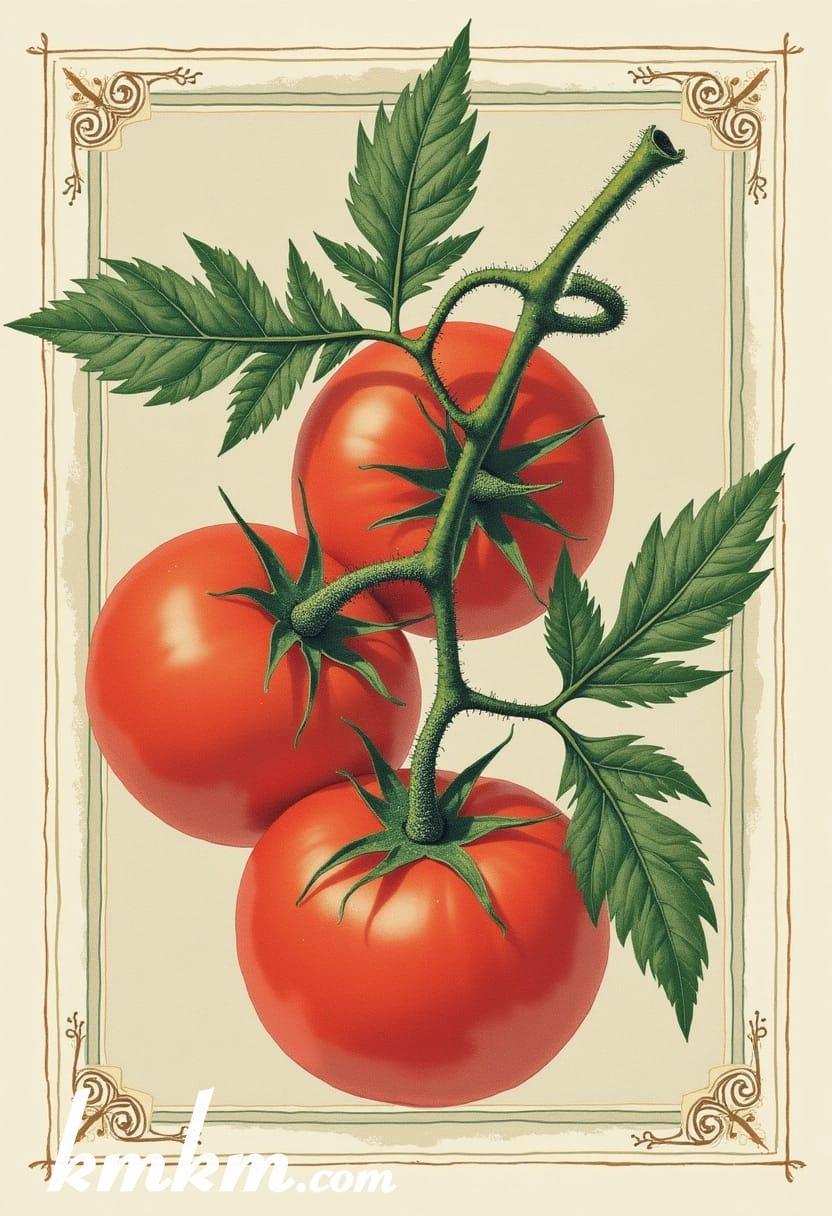
Bush tomato varieties are native to Australia and have been used by Indigenous communities for thousands of years. These hardy plants thrive in hot, dry climates and often grow in the wild without any farming. Some types have a strong tangy flavor that’s perfect for chutneys or spice mixes.

You might be surprised, but not all bush tomato varieties are edible—some can be toxic if eaten raw. The term “bush tomato” usually refers to several species, including Solanum centrale and Solanum ellipticum. Indigenous Australians often dry and store bush tomatoes for months, treating them like nature’s pantry snacks.

Bush tomato varieties are sometimes called “desert raisins” because they’re wrinkled and sweet when dried. They pack a punch in flavor—imagine a tomato crossed with tamarind and pepper. These fruits are a key ingredient in traditional Aboriginal diets and modern Aussie fusion cooking.

One small bush tomato can be ten times more flavorful than a regular tomato from the grocery store. Solanum centrale, also known as the Kutjera, is among the most sought-after bush tomato varieties. Their powerful taste makes them popular in sauces, pastes, and even bread recipes.

Bush tomato plants have adapted to survive intense drought and poor soil—talk about tough veggies. Some bush tomato varieties are so rich in antioxidants, they’ve sparked interest in skincare products. In Aboriginal Dreamtime stories, bush tomatoes often symbolize resilience and survival.

The plants grow low to the ground, so harvesting them takes patience—and strong knees. Wild harvesting is still common, but there are now small farms cultivating bush tomato varieties commercially. Their natural habitat includes arid regions of the Northern Territory, South Australia, and Western Australia.

Many chefs describe the flavor as smoky, savory, and sun-dried all at once. Bush tomato varieties are sometimes used in meat rubs for that authentic Aussie BBQ vibe. When ground into powder, the fruit adds a rich umami note to stews and marinades.

Early European settlers in Australia often mistook bush tomatoes for poisonous nightshades. The edible varieties are carefully prepared and often sun-dried before eating. You can even find bush tomato chocolate—yes, spicy, tangy tomato mixed with dark cocoa.

They’re small but mighty—most bush tomatoes are less than an inch across. Cooks use them to add depth to everything from soups to roasted vegetables. Bush tomato varieties have become a cultural symbol of native Australian foods.

Some types of bush tomato need fire or smoke exposure to germinate—nature’s reset button. They’re not just for eating—some Indigenous groups used the leaves for medicinal purposes. The intense aroma of dried bush tomatoes can fill a kitchen with earthy, fruity warmth.

Bush tomato chutney is a hit at Australian farmers markets—sweet, spicy, and addicting. A single bush tomato shrub can produce dozens of fruits during its short growing season. Some farmers are experimenting with crossbreeding bush tomato varieties to improve yield and taste.

Unlike supermarket tomatoes, these grow on thorny, rugged shrubs that look almost prehistoric. They're loaded with minerals like potassium and magnesium, perfect for a natural energy boost. Some chefs age bush tomatoes like cheese to enhance their bold flavors.

Tourists visiting the Outback often try bush tomato dishes as part of a “bush tucker” tasting menu. There’s even a bush tomato vodka crafted by Australian distilleries. Bush tomato varieties are part of Australia's growing native food export market.

The skin of a bush tomato is leathery, helping it retain moisture in desert heat. Seeds are often saved by Indigenous communities and replanted in traditional methods. In the wild, emus help spread bush tomato seeds after snacking on the ripe fruits.

You’ll find bush tomato products in spice blends, like “Australian Outback Seasoning.” Bush tomato jam pairs well with cheeses like brie or cheddar on a cracker. They’re sometimes added to damper, the traditional Australian bush bread.

When ground, the dried fruit has a reddish-brown color and a bold, smoky aroma. Bush tomato varieties are featured in cooking shows and food blogs highlighting native ingredients. They’re one of the few fruits that taste better dried than fresh.

The plants have tiny purple flowers that resemble those of other nightshade relatives. Solanum cleistogamum is a lesser-known bush tomato species with its own flavor twist. In Indigenous language groups, bush tomatoes have many names, reflecting deep cultural roots.

Bush tomato seeds need to be soaked or scarified before planting for best results. These plants are perennials in the wild but often treated as annuals in cultivation. The flavor intensifies over time, which is why they’re often aged before use.

They make a great addition to vegan dishes, adding meat-like depth without actual meat. Some gardeners in dry climates have started growing bush tomato varieties as ornamentals. There’s ongoing research into how bush tomato varieties might help fight climate change through arid farming.

Bush tomato varieties continue to inspire chefs, scientists, and cultural historians alike. These desert fruits carry stories, flavors, and traditions that go far beyond the plate. In the world of wild edibles, bush tomato varieties are true Australian originals.