Brandywine heirloom tomatoes
- Fun facts /
- Tomato /
- Tomato varieties /
- Brandywine heirloom tomatoes

Brandywine tomatoes are known for their large size—some can grow to over a pound each. They have a distinctive, beefsteak shape with a slightly flattened look and deep ribbing. Gardeners love them not just for taste but for their old-school charm and history.

Their rich, sweet flavor is often compared to that of a ripe peach—just with a tomato twist. Brandywine Heirloom Tomatoes have pinkish-red skin and a juicy, meaty interior with very few seeds. They've been grown in the U.S. since at least the 1800s, making them one of the oldest heirloom varieties.

These tomatoes were reportedly named after the Brandywine River in Pennsylvania. They’re an indeterminate variety, which means they keep growing and producing fruit all season long. Chefs love them for fresh dishes—especially in sandwiches, because of their size and moisture balance.

Brandywine Heirloom Tomatoes are not the easiest to grow, but their flavor is worth the effort. Their plants can reach up to six feet tall and need strong support. They typically take about 80–100 days to fully mature—longer than many hybrid types.

These tomatoes thrive in warm climates but are sensitive to overwatering. Despite their old-fashioned roots, Brandywines are a hit with modern foodies and Instagram gardeners. They’re often the star at farmers' markets, thanks to their eye-catching size and rich taste.

Some Brandywine tomatoes have a greenish tint at the top when ripe—that’s normal, not under-ripe. They’re best enjoyed sliced thick with just a sprinkle of salt. Each bite delivers an intense tomato flavor that’s almost floral.

The seeds of Brandywine Heirloom Tomatoes are open-pollinated, meaning you can save them and regrow the same fruit. They were almost forgotten in the mid-20th century until seed savers brought them back into the spotlight. There are now several strains of Brandywine—pink, red, yellow, and even black.

The “Sudduth’s Strain” of Brandywine is often praised as having the best flavor of them all. In taste tests, Brandywines often beat modern hybrids by a mile. Even though their skin is thin and bruise-prone, that tenderness is part of what makes them so good.

They grow best when planted deeply—cover the stem up to the first set of leaves. If you're growing from seed, start indoors 6–8 weeks before the last frost. Good airflow around the plant helps prevent common tomato diseases.

Mulching helps Brandywines retain moisture and avoid soil-borne problems. They pair beautifully with basil, mozzarella, and a drizzle of olive oil. Brandywine Heirloom Tomatoes are summer’s edible treasure, perfect for caprese salads.

Because of their high water content, they don’t can well but are perfect for eating fresh. Some people grow them just to enjoy the smell of the vine—it’s earthy and nostalgic. They’re a favorite in backyard gardens, especially among tomato lovers who value flavor over volume.
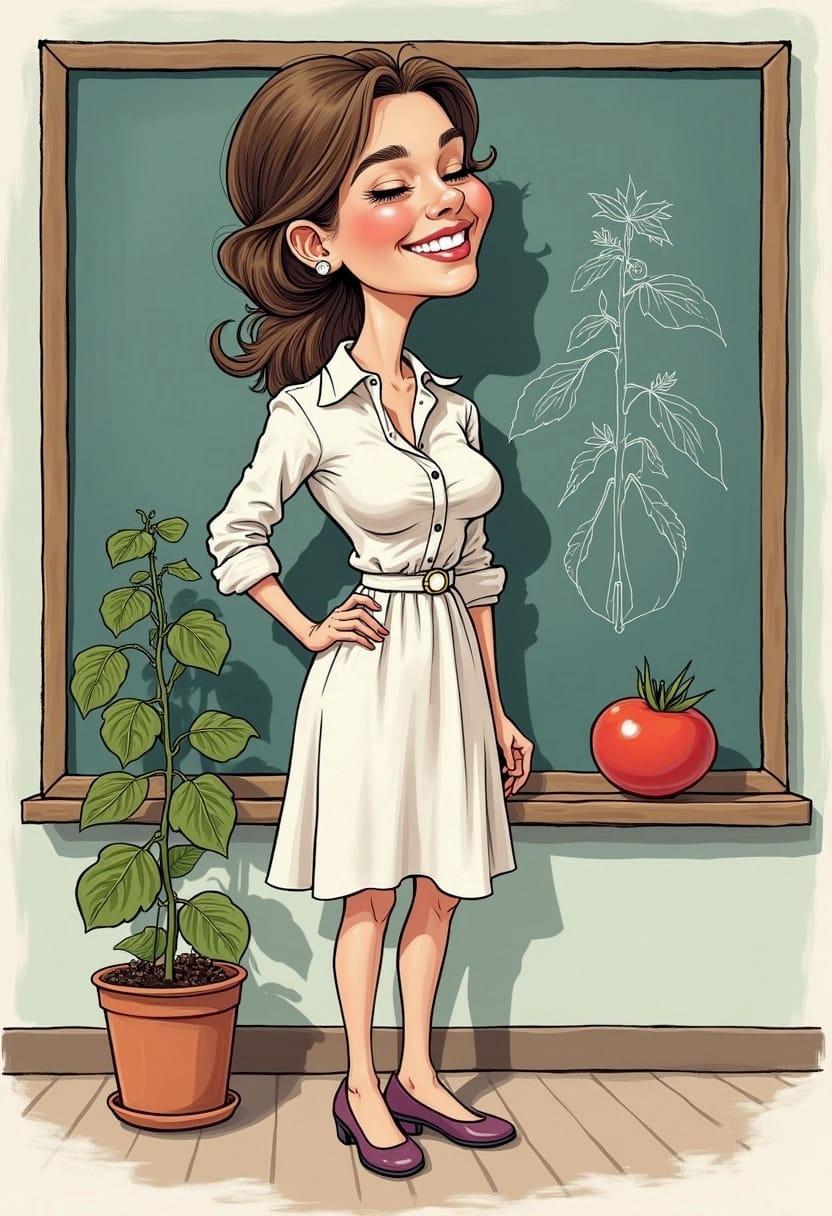
A single Brandywine tomato slice can cover a whole sandwich—it’s that big. Unlike store-bought tomatoes, these are grown for taste, not shelf-life. Their wrinkly skin and irregular shapes are part of their rustic appeal.

Pollinators love Brandywine flowers, especially bees. They don’t ripen all at once, so gardeners can enjoy a steady harvest. The vines benefit from pruning the lower leaves to boost airflow and reduce disease risk.

If you’re short on space, try growing them in large containers with cages or stakes. They need full sun—at least six to eight hours daily—to produce well. Many tomato festivals feature taste-offs, and Brandywines often take first prize.

In the 1980s, seed collector Ben Quisenberry helped revive Brandywine’s popularity. Some believe the original seeds came from Amish communities in the Midwest. Their flavor has been described as rich, wine-like, and slightly smoky.

Brandywine Heirloom Tomatoes can develop “catfacing,” a harmless scarring that adds to their character. Because they bruise easily, they’re rarely sold in supermarkets. You’ll often find them in heirloom seed catalogs or shared between neighbors.

The plant’s fuzzy, potato-like leaves are unusual among tomato varieties. Brandywines often attract tomato hornworms—hand-picking pests helps manage them. They’re ideal for gardeners who enjoy nurturing unique plants with personality.

Many chefs say a Brandywine tomato is best tasted still warm from the sun. They freeze poorly but shine in fresh dishes like bruschetta or salsa. Their flesh is thick, almost steak-like, perfect for slicing into hearty wedges.

Some people have turned their love of Brandywines into seed-saving businesses. Brandywine Heirloom Tomatoes remind people of how tomatoes used to taste—before mass production. Growing them connects you to generations of gardeners who kept the variety alive by hand.

Every season, growing Brandywines feels like rediscovering an old friend. From soil to salad, their journey is full of color, care, and flavor. There’s nothing quite like the first bite into a sun-warmed Brandywine.