Black sea man tomato
- Fun facts /
- Tomato /
- Tomato varieties /
- Black sea man tomato

The Black Sea Man Tomato is a stunning heirloom with a deep, almost black-purple color that turns heads in any garden. Its rich color comes from high levels of anthocyanins, which are antioxidants also found in blueberries and blackberries. Originally from Russia’s Black Sea region, this tomato is prized for its bold flavor and unique appearance.

This tomato has a complex taste—think smoky, sweet, and slightly earthy all at once. It’s a medium to large tomato, usually weighing around half a pound to a pound. Because of its thick skin, it holds up well in salads and sandwiches without falling apart.

The Black Sea Man Tomato’s flesh is juicy and meaty, making it a favorite for fresh eating and slicing. Its dark color can vary depending on sun exposure, sometimes showing beautiful green or brown shoulders. Growing this variety requires warm weather and plenty of sunlight to develop its signature hues.

This tomato is open-pollinated, so gardeners can save seeds and grow the same delicious fruit year after year. It’s sometimes confused with other dark tomatoes like Cherokee Purple but has a more robust, earthy flavor. The plant tends to produce fewer but larger fruits compared to other varieties.

The Black Sea Man Tomato is often used in gourmet cooking for its striking color contrast on the plate. Its skin may appear tough, but inside it’s tender and packed with flavor. Some chefs say it pairs perfectly with fresh herbs like basil and oregano.

Because of its antioxidant content, this tomato might offer some health perks, including anti-inflammatory benefits. Gardeners report that the vines can be quite vigorous, often needing support to handle the heavy fruit. It’s resistant to some common tomato diseases, making it easier to grow organically.

The Black Sea Man Tomato ripens mid to late season, so patience is key when growing it. Its dark colors develop fully only after several weeks on the vine. Some growers swear by pruning the plants to boost airflow and improve fruit quality.

In cooler climates, it might take a bit longer to mature, but the taste rewards the wait. The tomato’s thick skin helps protect it from cracking during wet weather. It’s a great choice for backyard gardeners looking to add some drama to their harvest.

Slices of this tomato add stunning color to summer salads, making dishes look more gourmet without extra effort. Its unique flavor can stand alone, needing little more than a sprinkle of sea salt to shine. The deep purple hues come from pigments that also help protect the fruit from sun damage.

This tomato is a natural fit for heirloom seed exchanges and gardening swaps. It’s not just pretty; the flavor complexity has won awards at several tomato festivals. Because it’s not a mass-market tomato, it’s rarely found in supermarkets but treasured at farmers markets.

Black Sea Man Tomato plants can reach 6 feet or taller, so staking or caging is essential. Harvesting when the fruit feels slightly soft ensures the best flavor and juiciness. Some gardeners report that fruit left too long on the vine can develop a smoky taste that some love, others find strong.

The Black Sea Man Tomato has been gaining popularity among chefs interested in unusual tomato varieties. Its flavor is described as rich and complex, with subtle hints of chocolate or coffee by some tasters. It’s a conversation starter on any plate thanks to its color and taste combo.
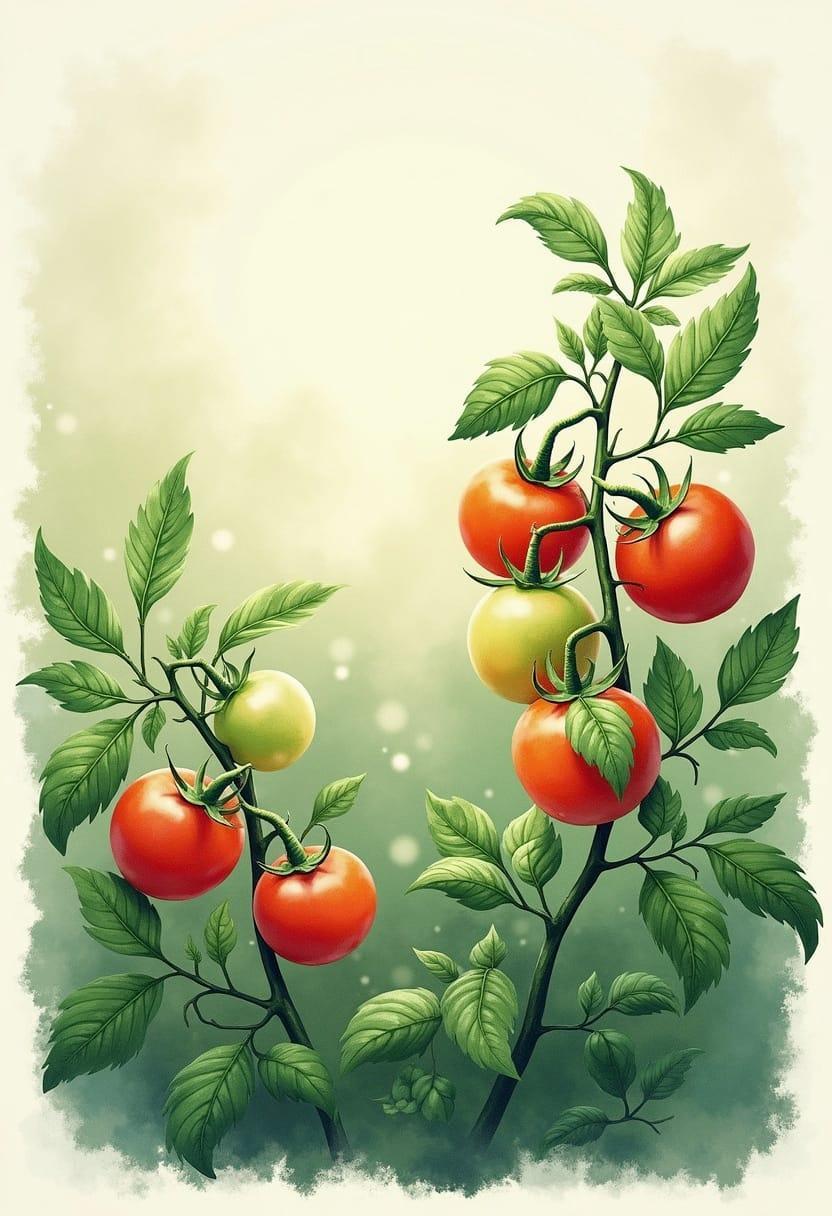
Gardeners often notice that this tomato’s leaves have a slight purple tint, matching the fruit’s deep color. This variety thrives with consistent watering but dislikes soggy soil. It’s best grown in well-drained, fertile soil rich in organic matter.

The Black Sea Man Tomato’s seeds are relatively easy to extract and store for future planting. Many home gardeners prize this tomato for its ability to produce reliable yields year after year. It can be grown in large containers as long as they provide enough room for roots and proper drainage.

This tomato’s name reflects its mysterious, dark appearance and origin near the Black Sea coast. Its rich pigments are not just for show—they may help neutralize harmful free radicals in the body. The plant benefits from mulching to keep soil moisture steady and reduce weeds.

Some growers recommend picking the fruit slightly underripe to prevent splitting but letting it ripen off the vine for fuller flavor. Because it’s less common, seeds can be a bit pricey but worth the investment for serious tomato lovers. It’s often featured in heirloom tomato taste tests and usually scores very high.

The Black Sea Man Tomato’s thick flesh makes it perfect for slicing onto burgers and sandwiches without sogginess. It can also be roasted or grilled to deepen its smoky flavor. Its dark color sometimes stains cutting boards, so be prepared!

This tomato variety can tolerate short dry spells better than some other heirlooms but still needs regular care. It produces fewer fruits than some hybrids but each one is larger and more flavorful. Gardeners recommend rotating crops yearly to keep soil healthy when growing Black Sea Man Tomatoes.

Some farmers market vendors display these tomatoes next to bright yellow and orange heirlooms for a colorful “rainbow” effect. Because of its unusual color, it’s often a favorite for kids and adults alike who want something different on their plate. Its flavor is a good balance between sweet and savory, making it versatile in the kitchen.

The Black Sea Man Tomato continues to charm gardeners and chefs with its bold color and rich taste. Its striking appearance makes it a star in heirloom collections and garden beds. Whether eaten fresh or cooked, it delivers a unique tomato experience that’s hard to forget.