Black And White Portrait
- cool image /
- best picture /
- Black And White Portrait
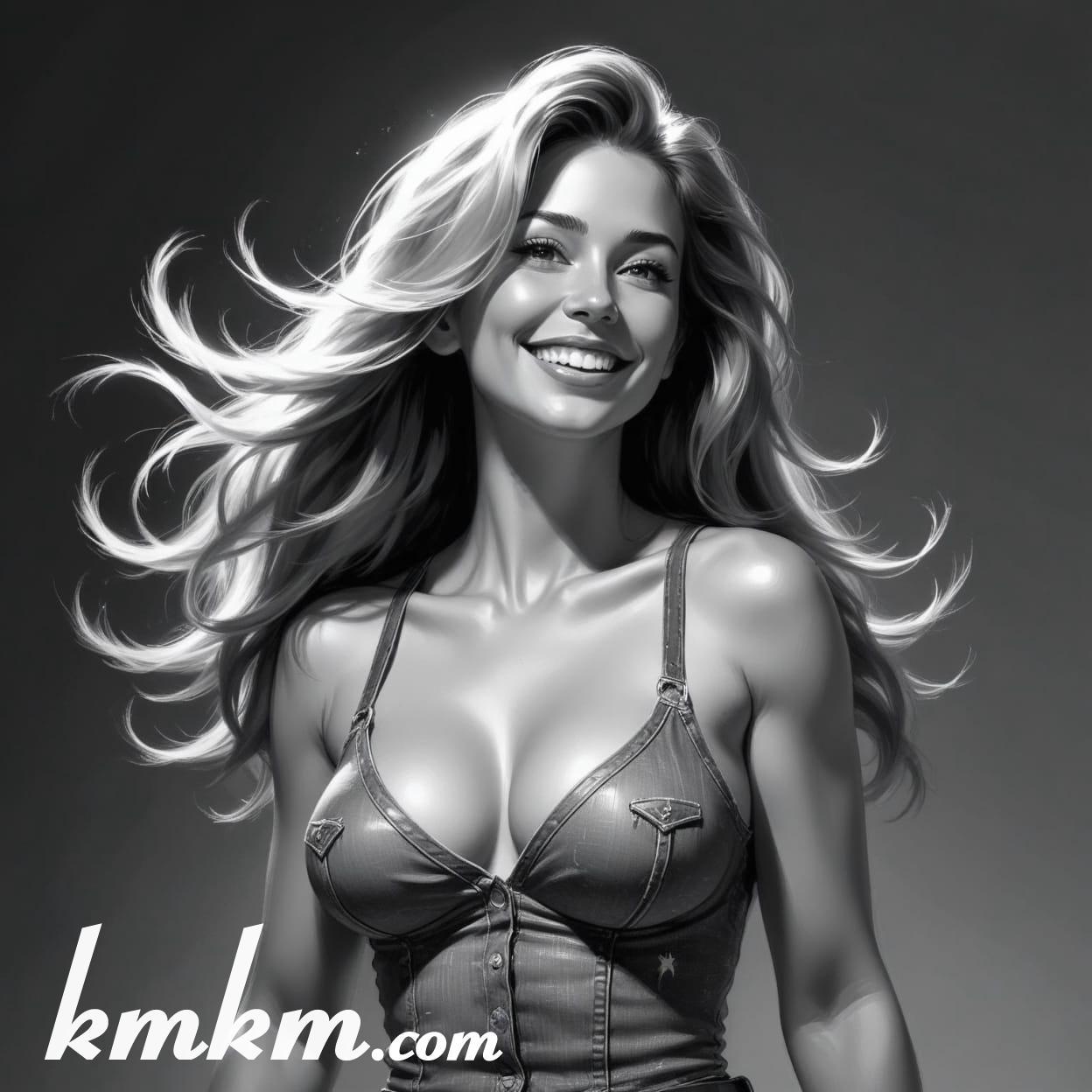
Black and white portraits have a timeless quality that captures emotion without the distraction of color. They focus purely on expression and form.
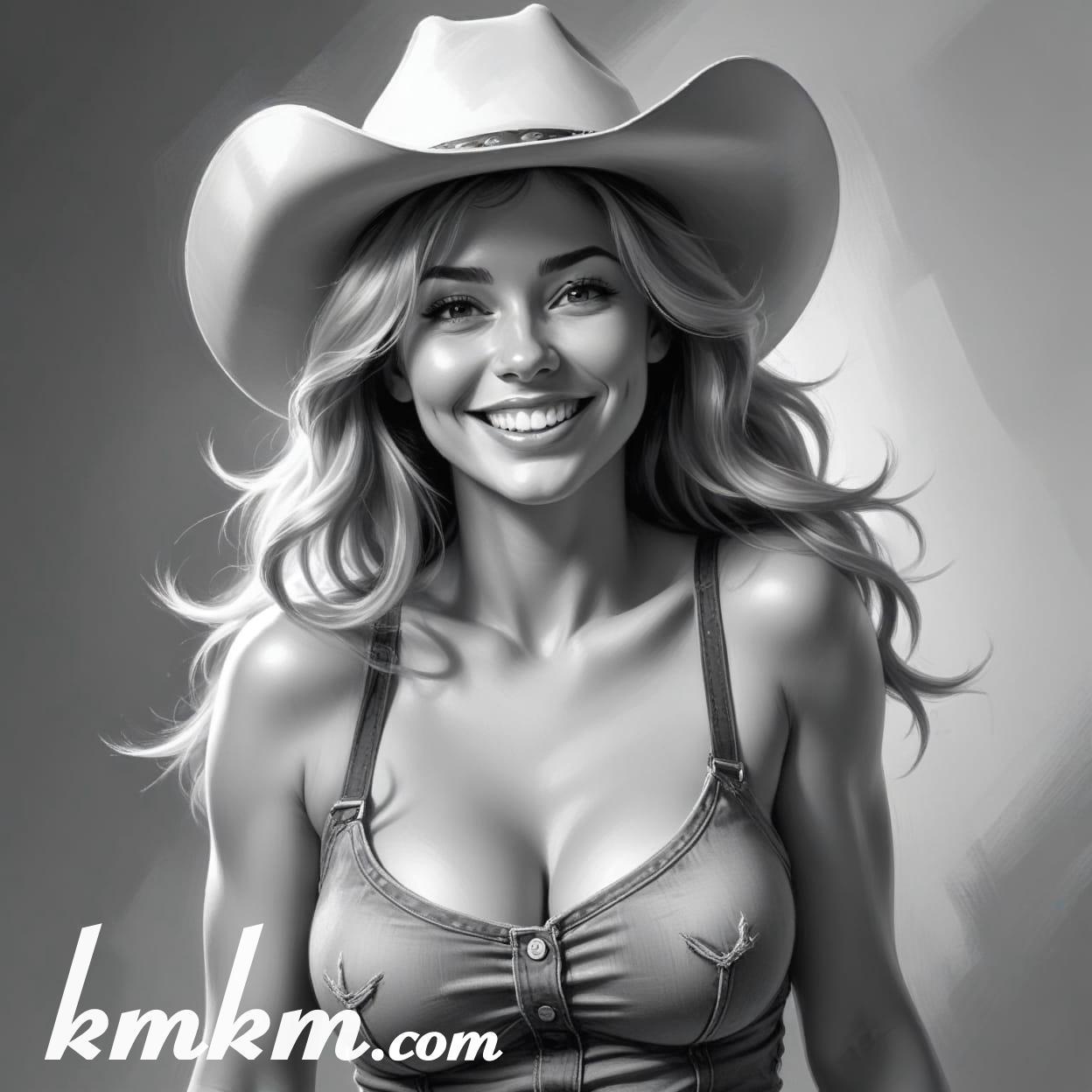
Many photographers believe that shooting in black and white allows them to highlight the subject’s character more deeply. This is why black and white portrait photography often feels more intimate.
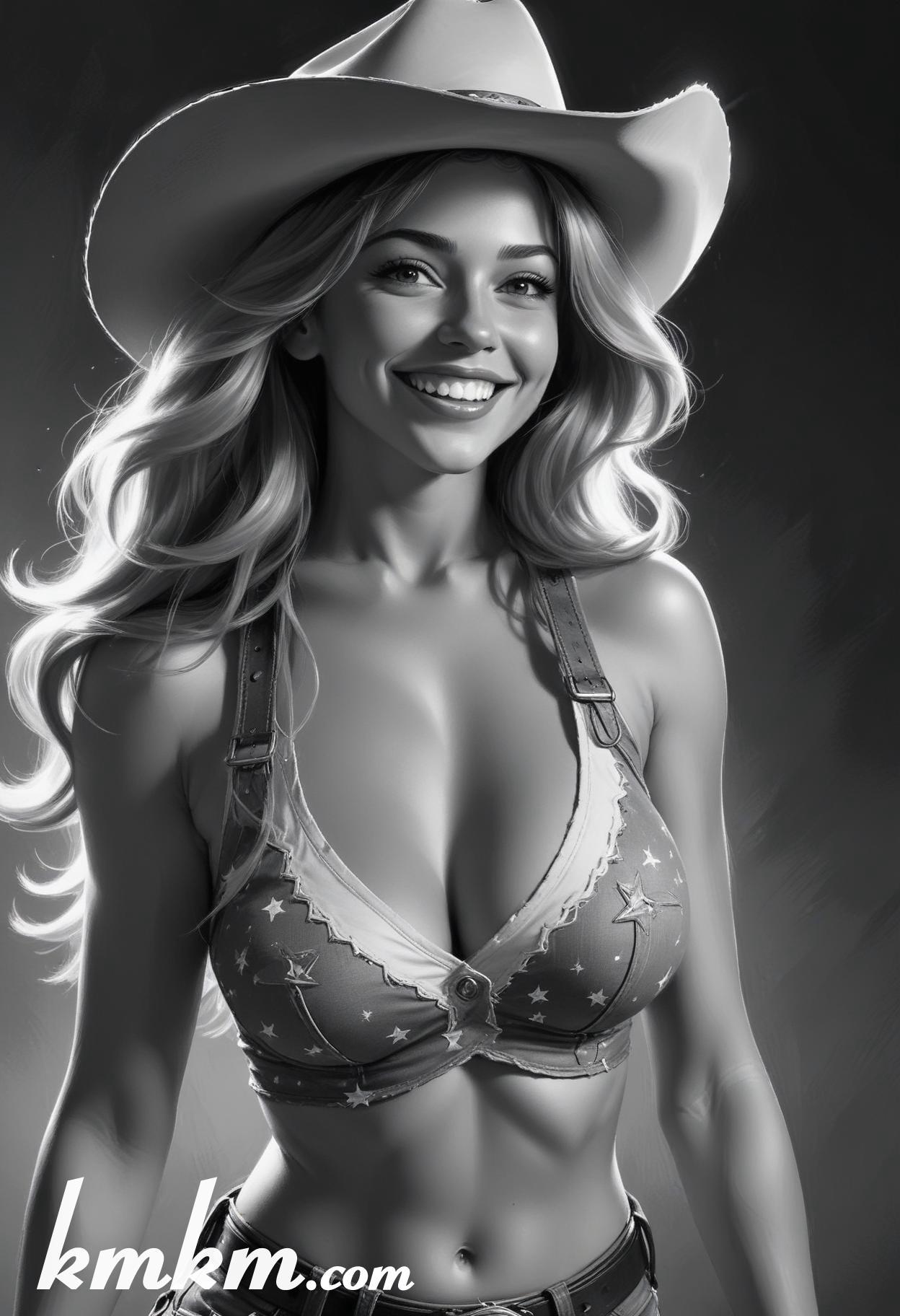
Lighting plays a key role in creating a striking black and white portrait. Shadows and contrast become tools to sculpt the face and bring out textures.
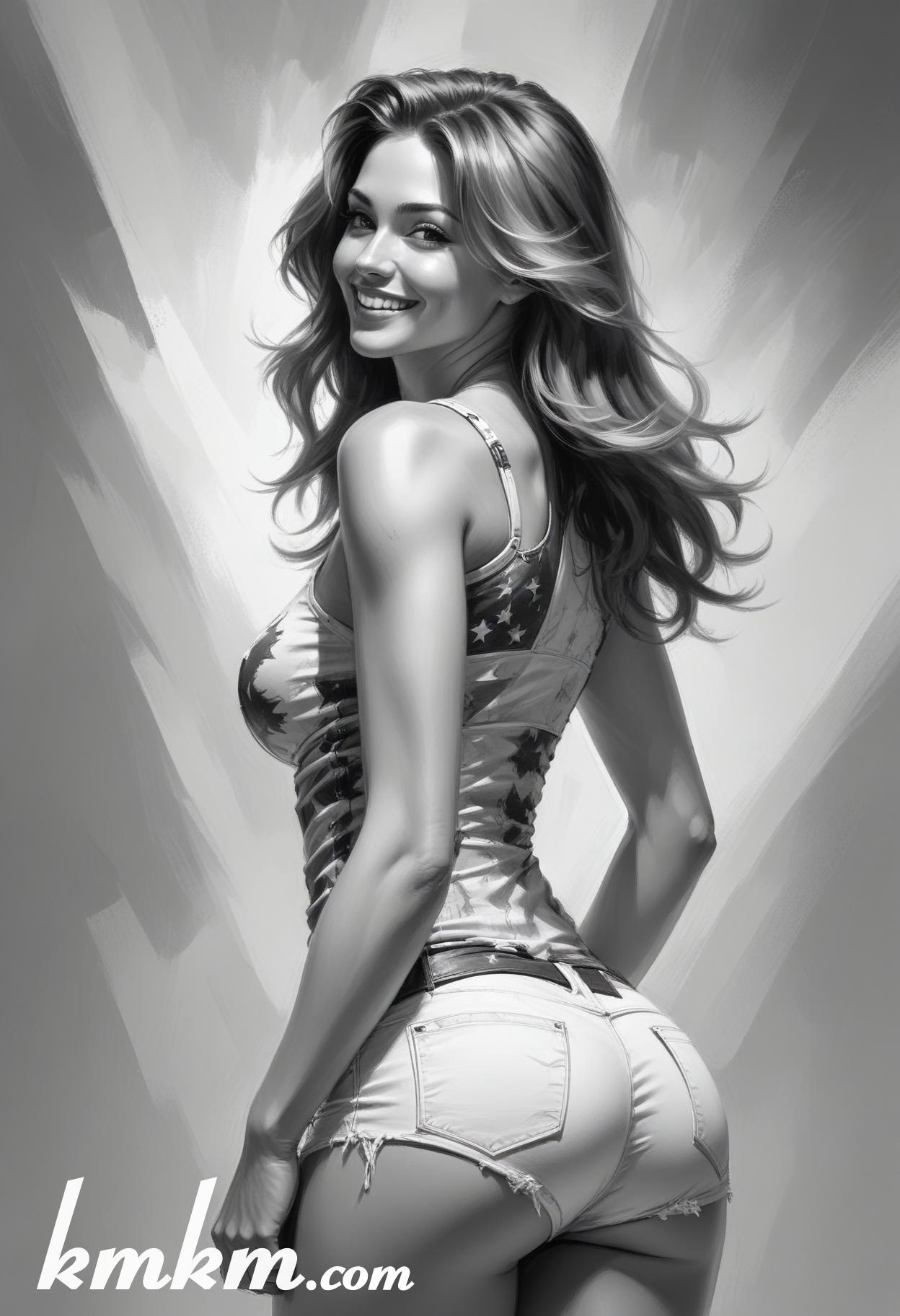
Back in the early days of photography, black and white portraits were the only option. Today, photographers choose it as an artistic preference, even with color available.
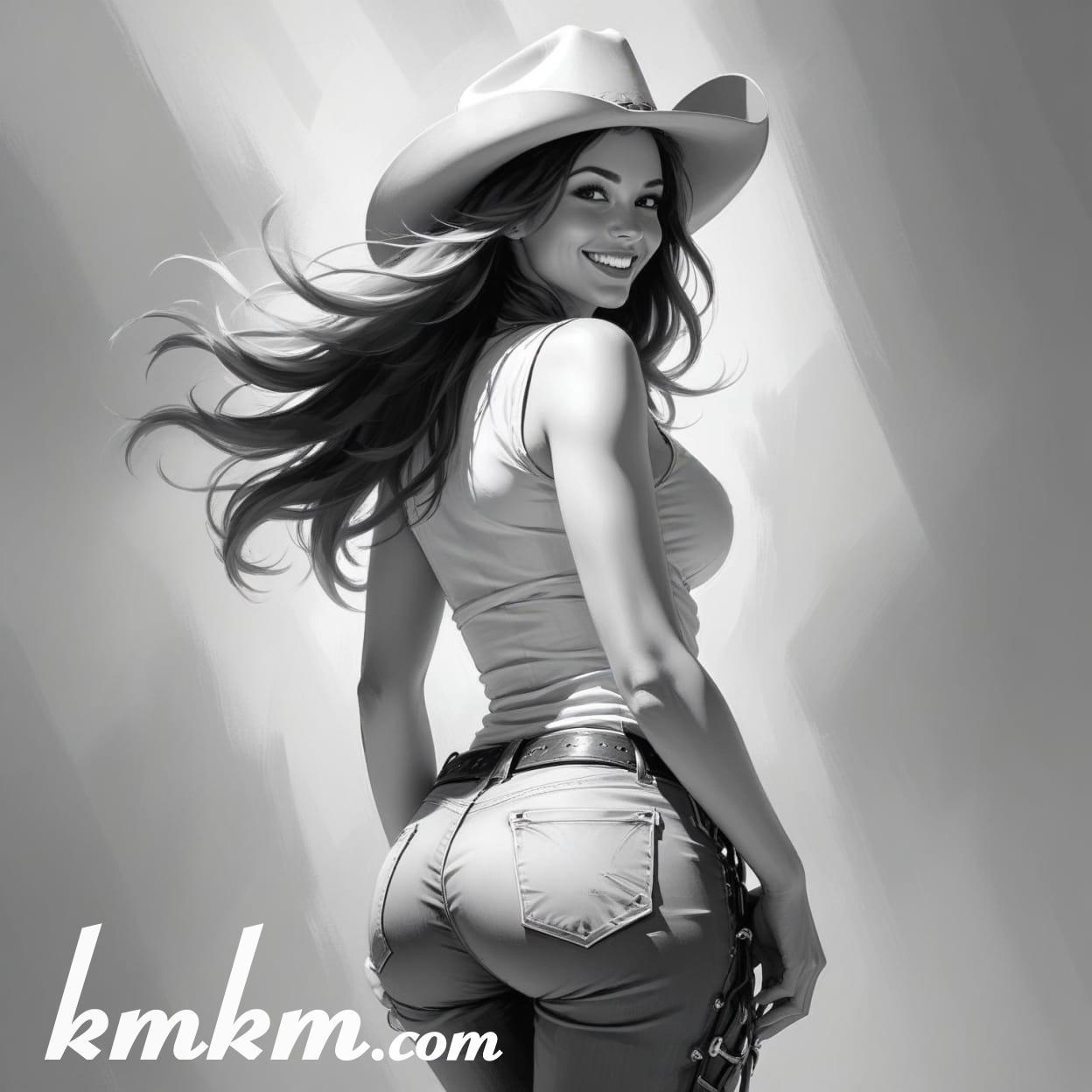
Shooting in black and white encourages photographers to think differently. They start to see the world in shades, contrast, and light rather than relying on vibrant hues to make an image pop.
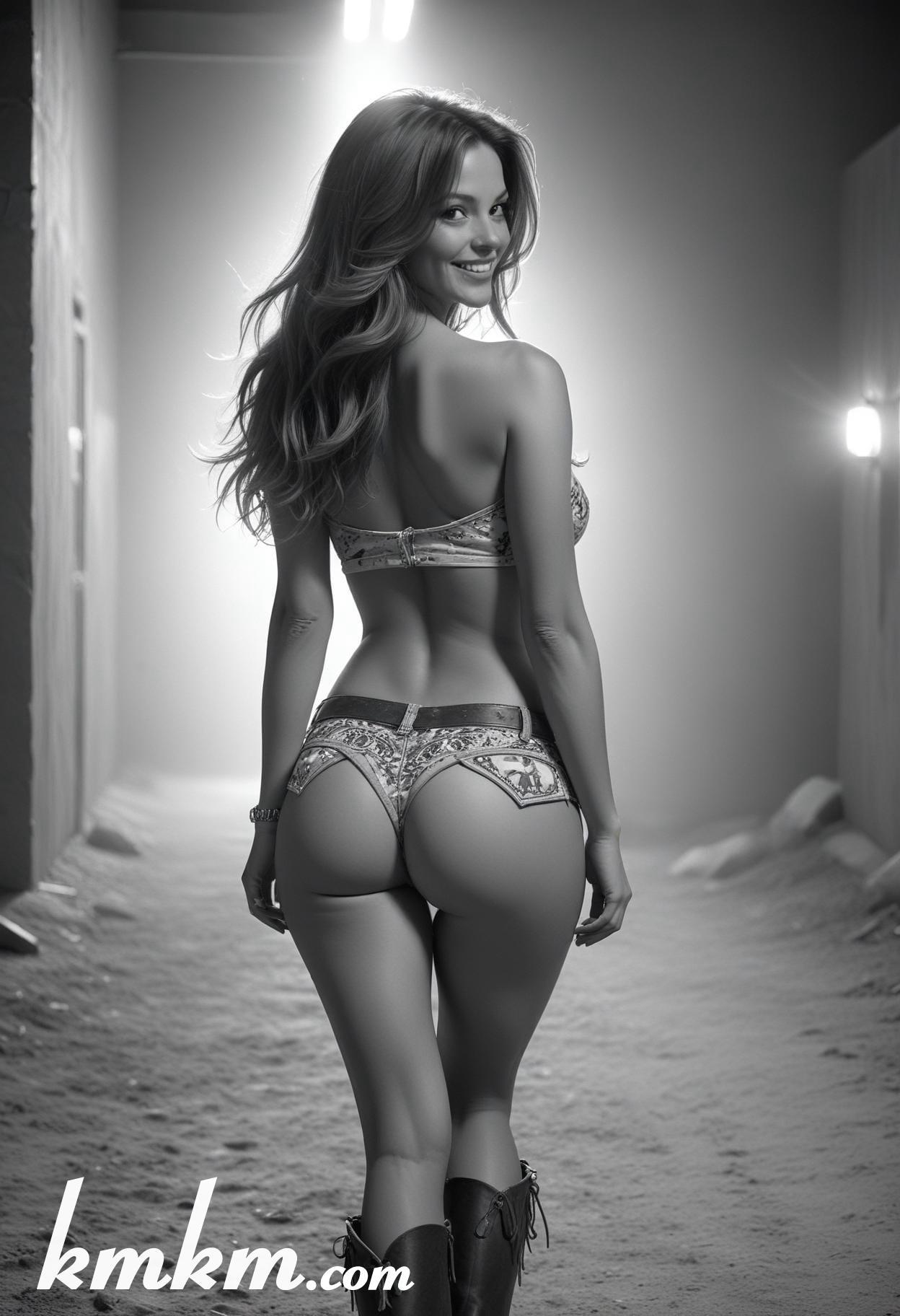
One fascinating fact about black and white portraits is how they can make the viewer slow down. The absence of color helps us focus on the details that matter, like a subtle smile or the depth in someone’s eyes.
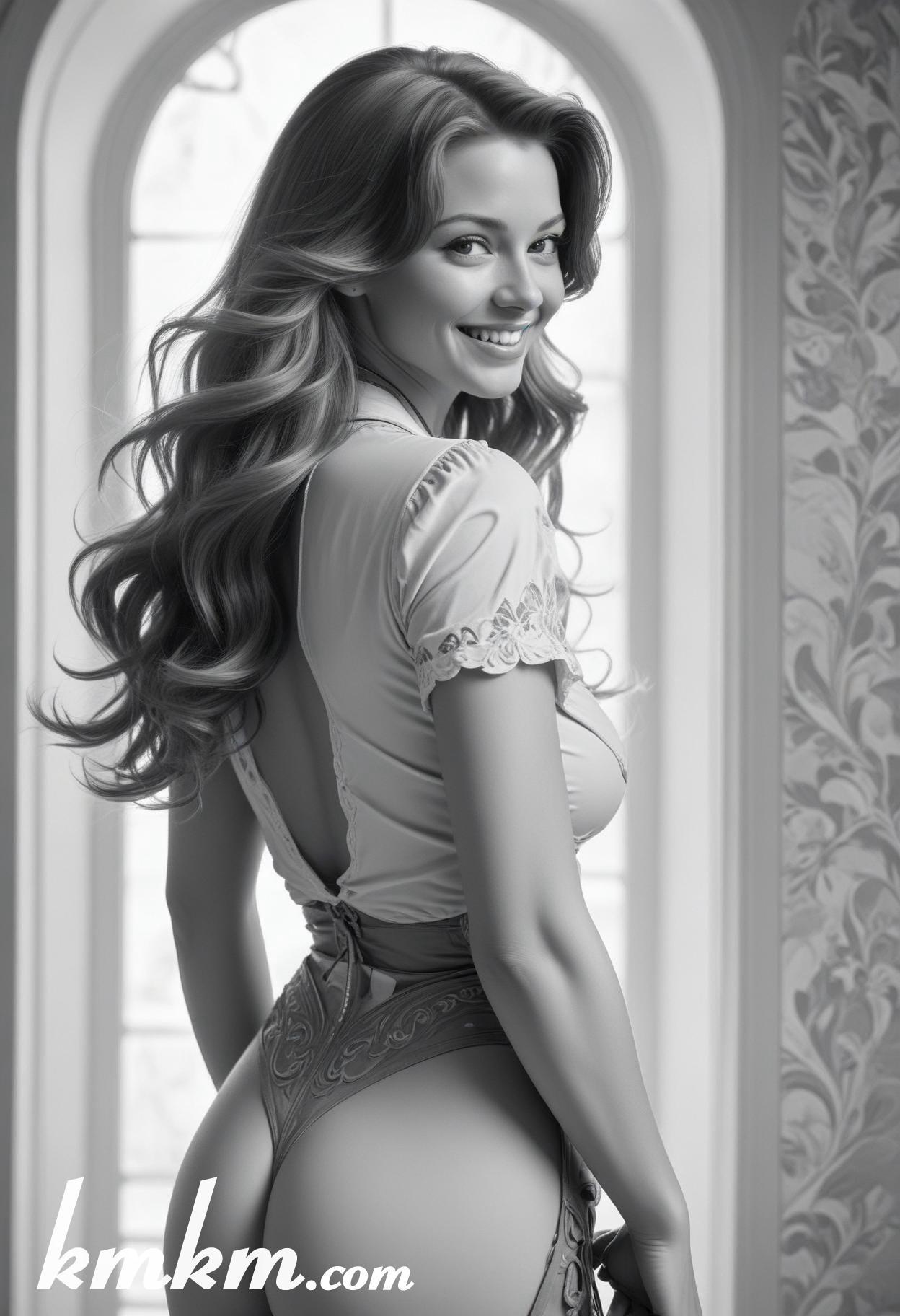
Black and white photography also tends to simplify a composition. Without color, distractions are removed, and the focus stays on the subject’s form, texture, and tone.
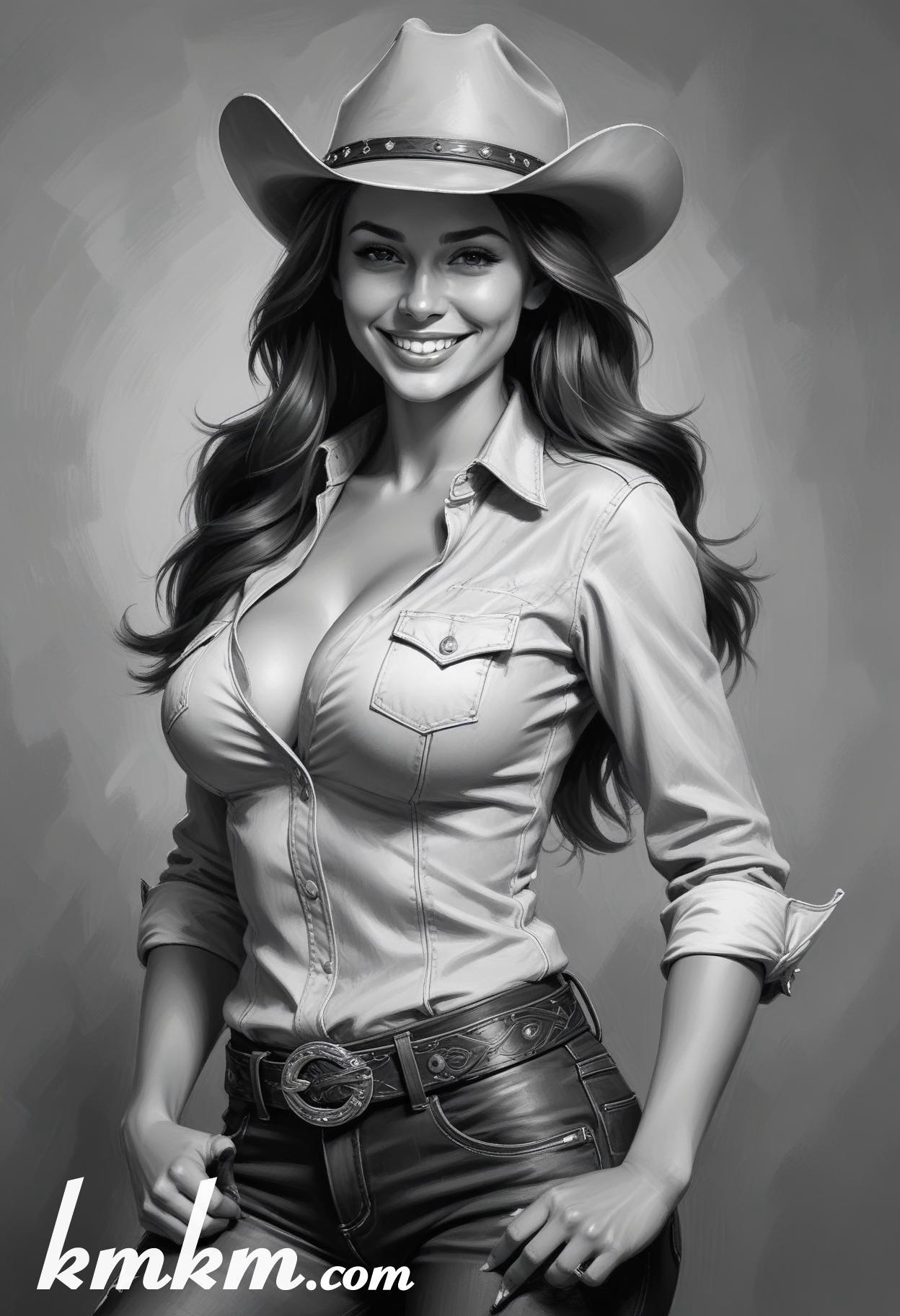
Many classic black and white portraits were taken using film. The grain from film photography adds an extra layer of texture and mood to the final image.
In black and white portraits, the background often becomes secondary, blending into soft tones. This puts even more emphasis on the subject’s face or gesture.
Portrait photographers often prefer black and white when working with older individuals because it highlights wrinkles and expressions, which can tell a person’s life story in one shot.
The famous portrait of Albert Einstein sticking out his tongue is a great example of how black and white photography can capture both humor and humanity.
Black and white portrait photography is used in both formal and candid shots. Whether it's a studio setting or a spontaneous moment, the absence of color shifts the focus entirely to the subject’s emotions.

A well-done black and white portrait often feels timeless, as if it could belong to any era. This makes it a powerful tool for photographers aiming for a classic aesthetic.
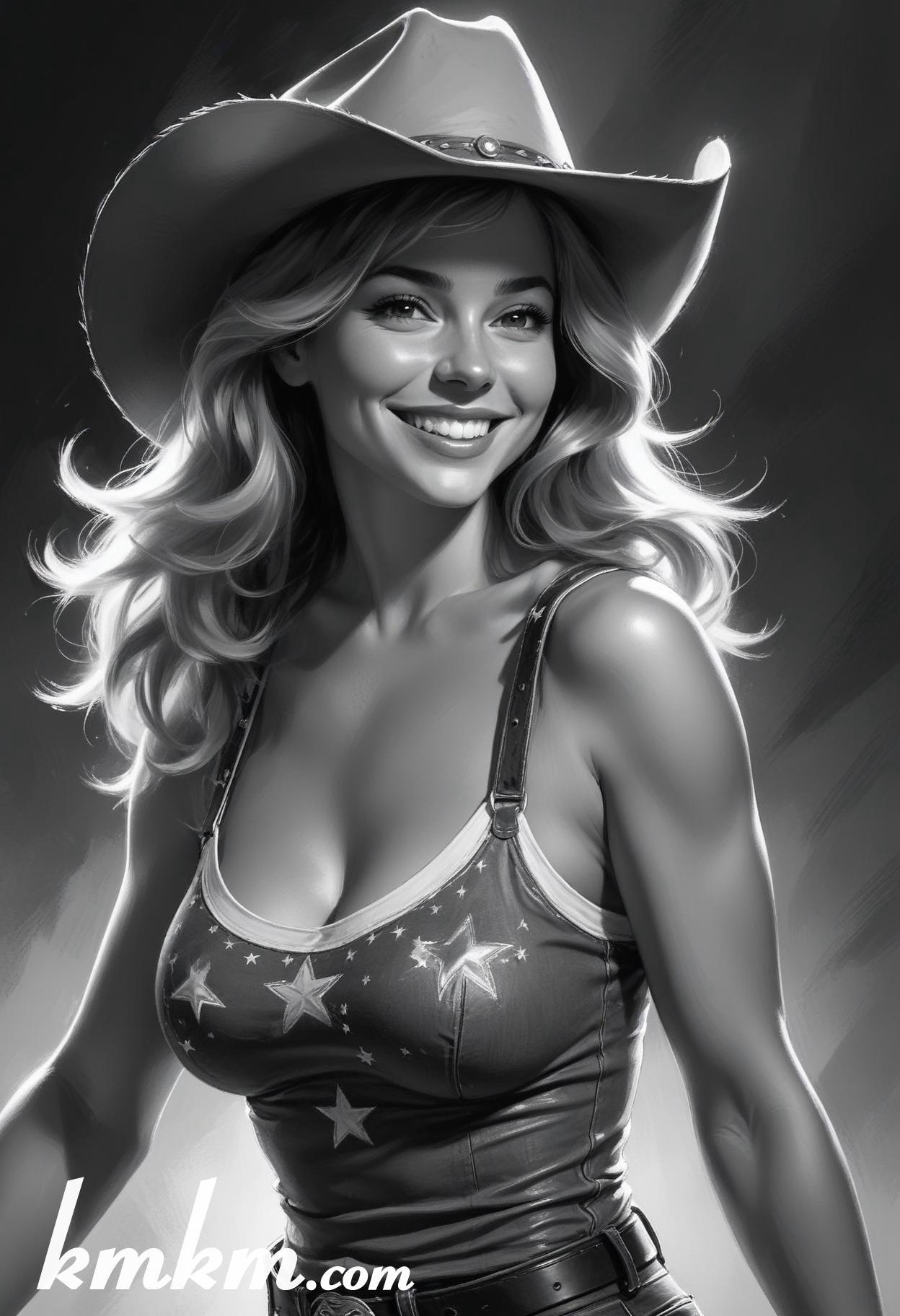
In the world of black and white portraits, textures like hair, skin, and fabric become more pronounced. This can lead to visually interesting results, drawing the viewer’s eye to the smallest details.

Black and white portrait photography forces a photographer to master the art of contrast. Too little, and the image can appear flat; too much, and the photo might feel harsh.
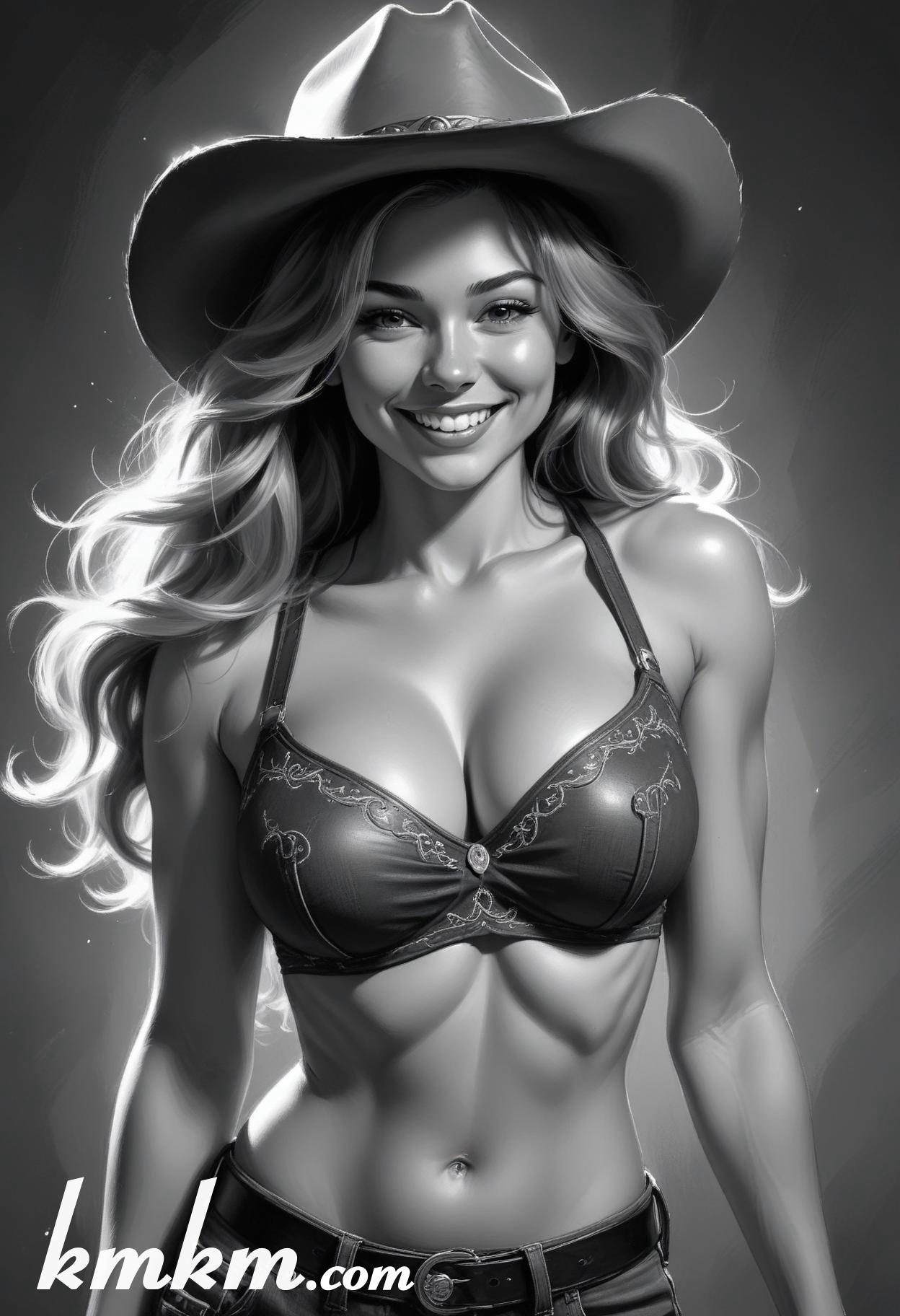
When shooting a black and white portrait, it's essential to play with light and shadow. Soft lighting can create a gentle, flattering look, while hard light adds drama and intensity.

Although digital editing tools allow for easy color conversion, a true black and white portrait starts with understanding how to compose for monochrome right from the beginning.
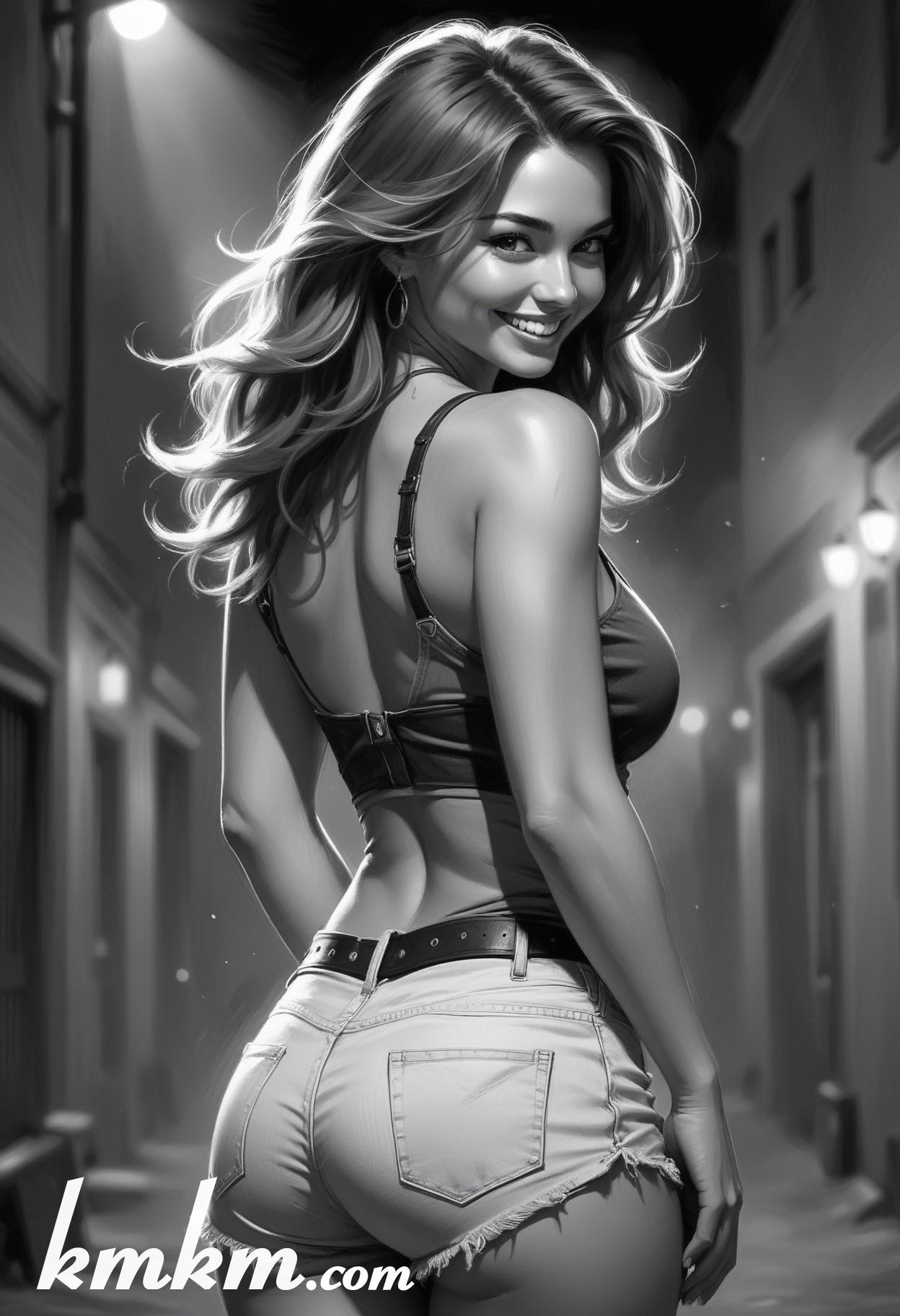
Many famous black and white portraits capture a person’s authentic self, stripped away from the noise of color. This gives the viewer a sense of connection with the subject.

The rich history of black and white portraiture is filled with iconic images. From presidents to artists, some of the most memorable portraits in history have been shot in black and white.
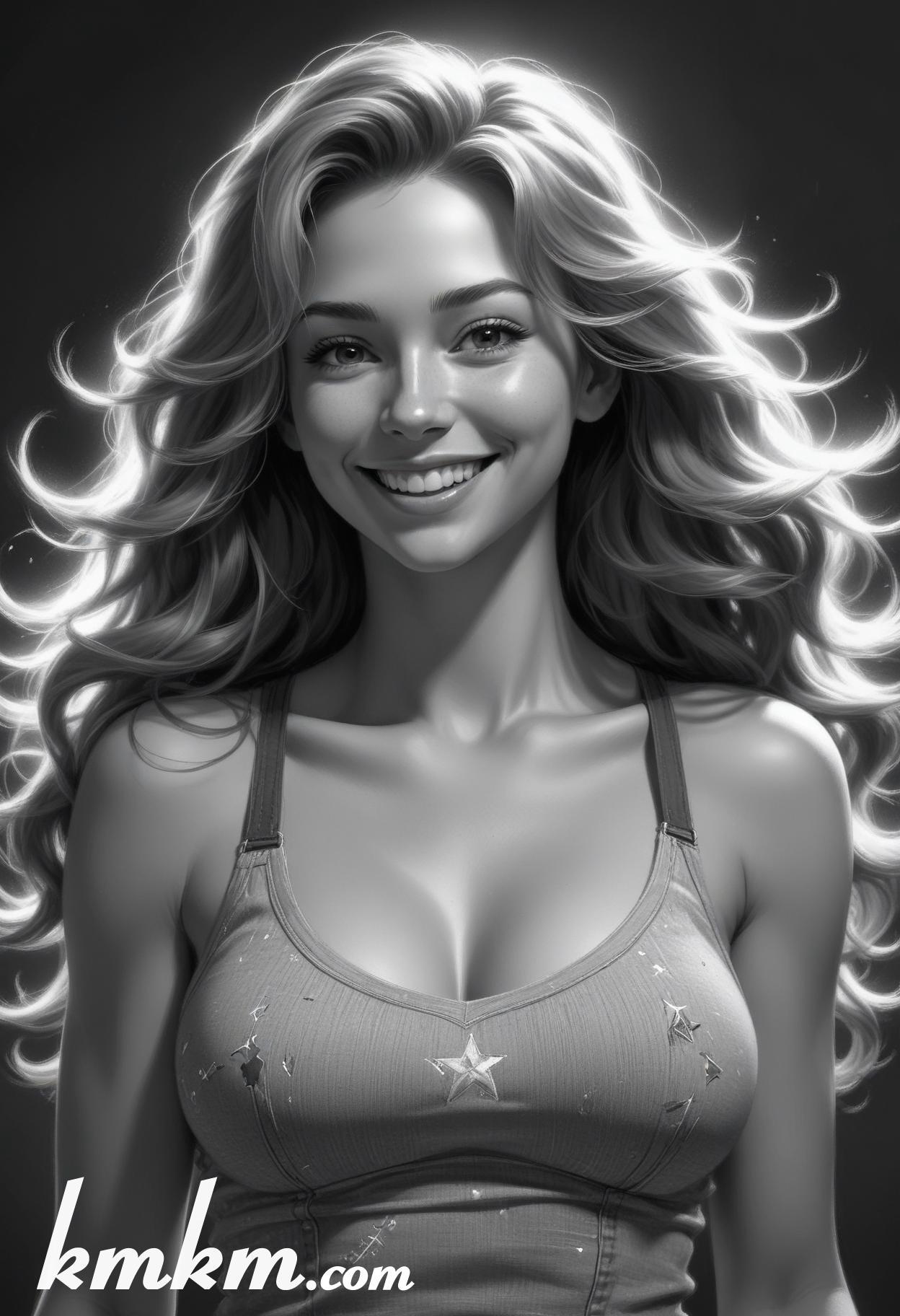
A well-executed black and white portrait is a piece of art that emphasizes human emotion and storytelling, standing out as a powerful expression of photography’s potential.